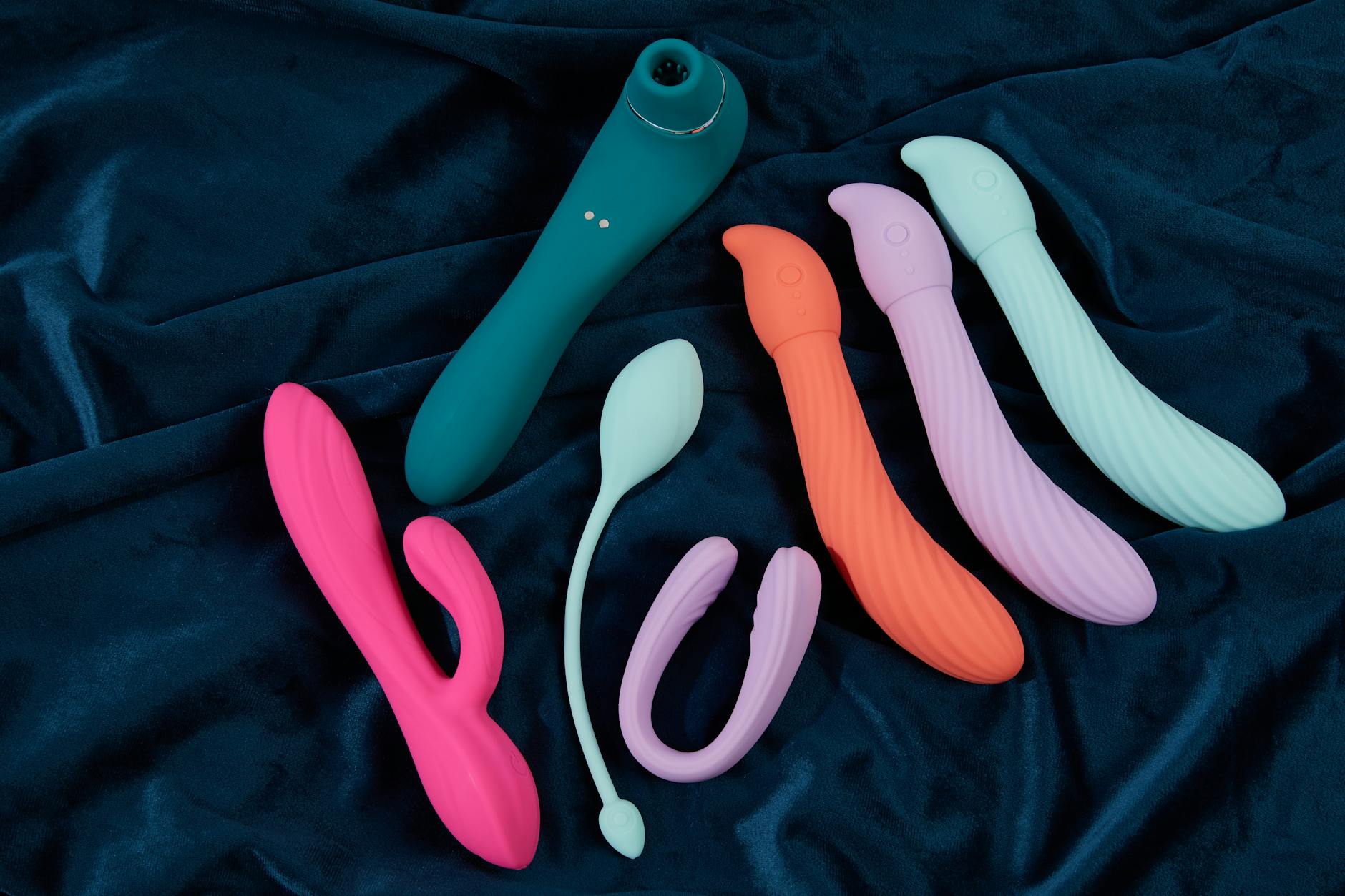
How to Use a Lemon Vibrator With Sensitive Teeth and Gum Issues
Let's be real. Dental issues are uncomfortable enough without wondering if they're going to complicate your sex life. If you've got sensitive teeth, active gum disease, or recent dental work, you might be thinking a lemon vibrator is off the table. It's not.
The thing about a lemon clitoral vibrator like the Lem is that it's designed for external clitoral stimulation. It doesn't go in your mouth. But if you have gum sensitivity or dental concerns, you're probably wondering about comfort, vibration intensity, pain management, and whether you should pause pleasure altogether. None of those are silly questions.
Here's what you need to know about using a lemon vibrator safely when your teeth or gums are compromised.
Why dental issues affect your whole body's sensitivity
Your mouth is not separate from your sexual response. Gum disease, tooth sensitivity, or inflammation sends pain signals through your nervous system that ripple outward. When your nervous system is already in a low-level alarm state because of oral discomfort, everything feels more intense or more fragile. Your brain is primed to protect you, which means arousal can feel blocked or anxiety-prone.
Sensitive teeth typically come from gum recession, enamel wear, or exposed tooth roots. Any of these makes hot, cold, or even vibration-adjacent stimulation feel sharper. Gum disease adds inflammation to the picture, which means your immune system is already working hard. Adding pleasure activities doesn't interfere with healing, but you want to approach it without adding unnecessary stress to your system.
The good news: clitoral vibrators like a lemon sucker work on your clitoris, not your mouth. You're not biting down. You're not applying pressure to sensitive teeth. This is completely doable with the right approach.
How to prepare your mouth before pleasure
Start with your dentist. If you have active gum disease or your teeth are acutely sensitive, check in before restarting sexual activity. Not because sex is bad for you, but because your dentist can give you a specific timeline for healing and may recommend a numbing gel or sensitivity toothpaste that'll make everything feel better.
For acute sensitivity, use a toothpaste designed for sensitive teeth (look for potassium nitrate on the label) for about two weeks before and during your healing period. Apply it directly to the sensitive area at night and let it sit. It genuinely reduces nerve signaling.
If you have gum inflammation, rinse with salt water or an antimicrobial mouthwash after meals and before bed. This is foundational stuff, not specific to pleasure, but it sets the stage. Your mouth heals faster when inflammation is managed.
Then, before you use your lemon vibrator or any clitoral toy, take a pain reliever about 30 minutes prior if you're in significant discomfort. Ibuprofen or acetaminophen won't interfere with sensation where it matters. They'll just take the edge off your nervous system so you can relax into pleasure without your brain being stuck in defense mode.
Why suction-based vibrators are actually gentler on sensitive systems
A lemon clitoral vibrator uses gentle suction rather than direct vibration. This matters when you're managing sensitivity anywhere in your body, including your mouth and jaw.
If you're holding tension in your jaw because of tooth pain or gum sensitivity, that tension radiates down through your neck and shoulders. It also limits how fully you can relax during sex. With a lemon vibrator, you're not adding extra stimulation intensity to your system. Suction works differently from a traditional vibrator. It creates a gentle pressure wave rather than a percussive buzz. This feels less jarring to a nervous system that's already compromised.
Start on the lowest setting, always. If you usually use a lemon vibrator on setting 3 or 4, drop to setting 1 while you're managing dental sensitivity. Your clitoris doesn't need the maximum intensity to feel good. It actually might feel overwhelming when your nervous system is trying to heal from inflammation or pain.
Managing jaw clenching during arousal
Here's something nobody talks about: people clench their jaws during arousal and orgasm. If your teeth or gums are already sensitive, that jaw clenching can trigger pain right when you want to be feeling pleasure.
Before you start, do some simple jaw releases. Let your mouth hang open slightly. Roll your jaw in slow circles. Move it side to side gently. Spend two minutes on this. It sounds silly, but it signals to your nervous system that you're safe and there's no need to brace.
During pleasure, keep checking in with your jaw. If you notice you're clenching, pause for a second. Consciously release. You can even place your tongue flat on the roof of your mouth, which is harder to clench around. Some people rest their tongue between their teeth very gently. Find what works for you.
If you're with a partner, tell them you're managing some dental sensitivity. They don't need details. Just "Hey, I'm being careful with my jaw tonight." A good partner will actually appreciate the heads-up.
Pain and pleasure as separate signals
This is crucial. Pleasure and pain travel on different neural pathways. You can have tooth sensitivity and still have a fully satisfying orgasm. They're not fighting for the same attention.
What can happen, though, is that your brain gets distracted by low-level pain and you lose focus on sensation where it matters. This is normal and not a sign you should stop. It's a sign to slow down and create more mental space.
Try this: use your lemon vibrator for solo play first while you're managing acute dental sensitivity. No partner, no pressure to perform or maintain an erection or match anyone else's rhythm. Just you and your own pleasure. Solo play lets you focus entirely on your own body and what feels good. You're not managing anyone else's experience.
Start with 10 to 15 minutes instead of your usual session length. Keep the intensity low. Pay attention to what feels genuinely good versus what feels okay. Your nervous system will tell you the difference.
When to pause and when to keep going
There's a difference between discomfort and pain. Discomfort is "my gums feel a little tender today." Pain is "I just had a root canal three days ago." If you're in active pain, wait. Your body's not ready. If you're managing routine sensitivity, you're fine to proceed with modifications.
If you start using your lemon vibrator and notice sharp pain in a specific tooth, stop. Use that as information. You might have a cavity or an infection that needs treatment. Don't push through it.
If you notice generalized tenderness in your gums but no sharp pain, you can continue. Use lower intensity. Focus on your breath. Your nervous system doesn't need to be in high alert for pleasure to happen.
After you finish, rinse your mouth gently with water. Some people swish with salt water as a soothing ritual. This isn't medically necessary, but it feels nice and keeps inflammation down.
The timeline for returning to full intensity
Most acute dental sensitivity or gum inflammation resolves in two to four weeks with proper care. If you're managing chronic sensitivity (like from gum recession), it might be ongoing, and that's okay. You're not waiting for perfection to have pleasure.
Start with low intensity now. After a week at low settings, try bumping to setting 2 if it feels good. Another week, maybe setting 3. You're not in a rush. What matters is that you're staying connected to your body and your pleasure.
If you had a recent dental procedure, your dentist should give you a timeline for when normal activity resumes. Most wisdom tooth removals or root canals need about five to seven days before sexual activity is recommended, not because sex damages healing, but because the stress response can increase bleeding or swelling. Give yourself that window.
For routine gum disease or sensitivity management, there's no waiting period. You proceed with modified intensity, which you're already doing.
Setting up for success with a partner
If you're in a relationship and managing dental sensitivity, your partner might feel awkward about reintroducing pleasure. Normalize it. "I've got some gum sensitivity right now, so we're going to use the lemon vibrator on a lower setting and I might need to take a break if my jaw gets tense. That's totally normal, and it doesn't mean something's wrong."
A good partner will appreciate the information. A great partner will actually be more present because they're not guessing. They'll know exactly what you need.
You can even use this as an opportunity to explore other kinds of intimacy. How to use a lemon vibrator during solo play for maximum pleasure offers ideas for extending foreplay, focusing on non-genital touch, or taking your time in ways you might not normally.
Quick wins for dental comfort during arousal
Keep a glass of water nearby. Not for drinking, though that's fine. Sometimes just the option of comfort makes your nervous system relax.
Use a sensitivity toothpaste for at least two weeks before reintroducing pleasure activity. The active ingredient takes time to work, but it does work.
Avoid very hot or very cold foods or drinks right before sex. Your mouth's already managing sensitivity. Don't add temperature shock to it.
If you normally clench during orgasm, practice relaxation breathing right after climax. Long exhales signal safety to your nervous system, which helps everything calm down faster.
Consider a water-based lubricant for any partnered activity, even though a lemon clitoral vibrator is external. Lubrication means less friction everywhere, including less jaw tension from anticipatory bracing.
When to check back with your dentist
If sensitivity gets worse instead of better after two weeks of good hygiene and sensitivity toothpaste, you need an appointment. This might indicate a cavity, receding gums that need treatment, or early gum disease.
If you're using a lemon vibrator on low intensity and experiencing pain that doesn't match what your dentist said to expect, mention it. Sometimes jaw tension from other stress or grinding at night compounds sensitivity. Your dentist can offer targeted solutions.
Most importantly, don't frame dental sensitivity as a reason to pause pleasure. It's not. It's a reason to modify, to communicate, and to tune in more carefully to what your body's telling you.
People Also Ask
Can I use a lemon vibrator if I just had a dental filling?
Yes, once the numbing wears off and you're comfortable biting gently. Most dentists recommend waiting 24 hours after a filling before eating hard foods, not because sex is riskier, but because you might bite your cheek. Solo play is easier to control than partnered activity at first. Start at very low intensity and pause if you feel pain.
Does vibration make gum disease worse?
Not if the vibration is on your clitoris and not in your mouth. Gum disease needs consistent cleaning, antimicrobial care, and time. Sexual activity doesn't interfere with any of that. If anything, endorphins from orgasm support overall healing by reducing stress.
What if I have a crown or implant and it feels sensitive?
Crowns and implants don't have nerves, so they shouldn't feel sensitive unless there's an underlying gum issue or the tooth underneath is damaged. If a crown feels tender, that's your jaw or gums talking, not the crown. Use the same approach: lower intensity, jaw awareness, and communication with your partner.
Should I use a different toy if my teeth are sensitive?
No. A lemon clitoral vibrator is actually ideal because it uses suction, which is gentler than direct vibration. The Lem doesn't require any jaw involvement. You're not comparing this to an oral sex scenario. Stick with what works and just modify the intensity.
Can sensitivity toothpaste help with my clitoral sensitivity too?
No, they're completely separate. Toothpaste works on tooth nerves. Your clitoris has its own sensory system. If you're noticing decreased clitoral sensitivity, that's a separate conversation. Check out why clitoral vibrators with suction work better for sensitive tissue for more on that.
Is it okay to have an orgasm if my gums are swollen?
Orgasms actually help reduce inflammation over time because they lower stress hormones. The catch is that intense jaw clenching during orgasm can make swollen gums more uncomfortable in the moment. Manage the jaw tension with the techniques above, and you'll be fine. Your nervous system will thank you.
The bottom line
Dental sensitivity and gum issues are real, and they deserve attention. But they don't mean your pleasure has to wait. Use your lemon vibrator on lower intensity, manage your jaw, and give yourself grace while your mouth heals. Your body's capable of pleasure and healing at the same time. If you want more personalized guidance based on your specific situation, get in touch with Hello Nancy. We're here to help you navigate pleasure at every stage of your life and health.
This content is for educational purposes and shouldn't replace professional medical advice. If you have acute dental pain, active infections, or recent dental procedures, consult your dentist before resuming sexual activity.