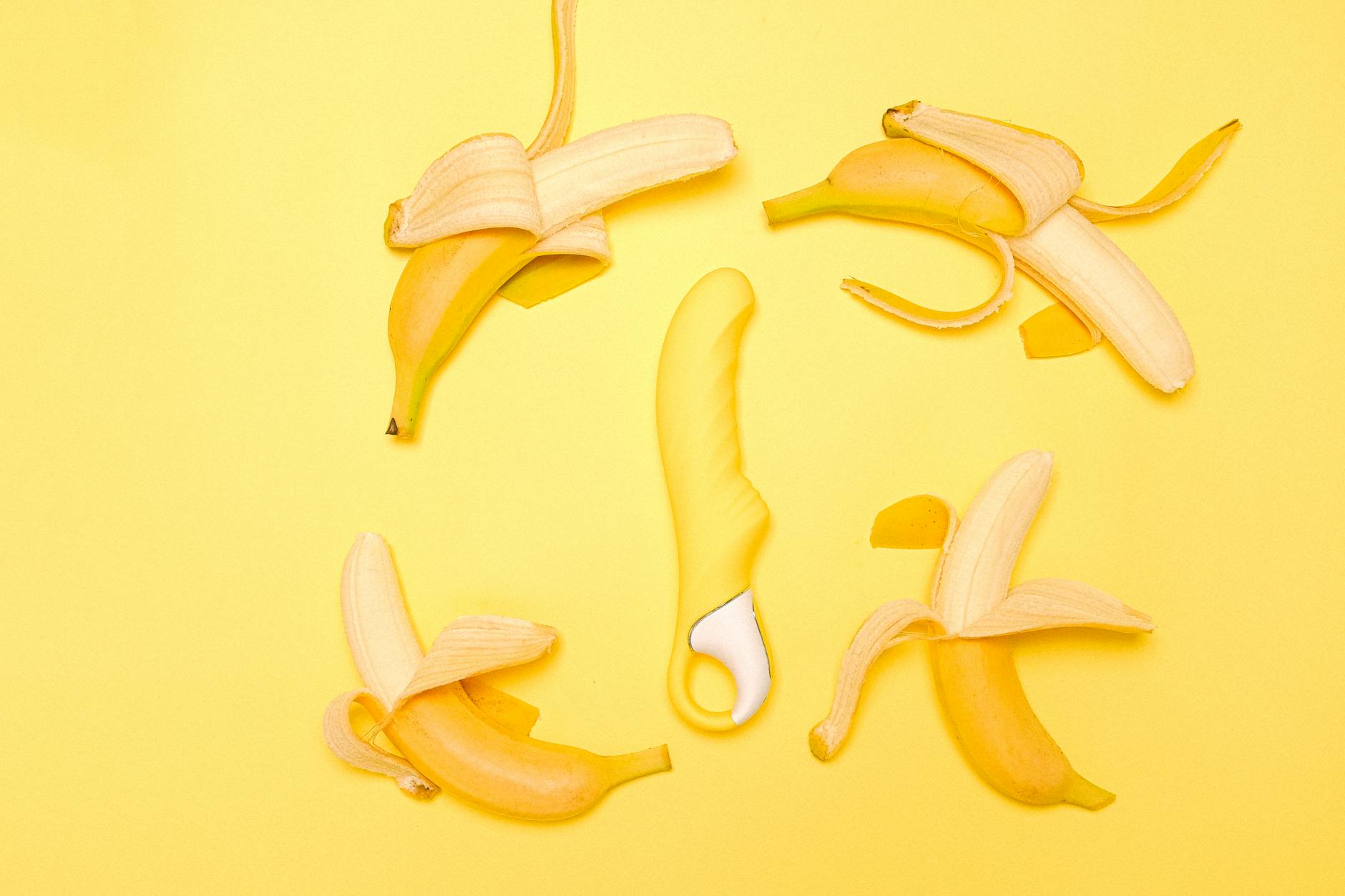
Here's the thing about sensitive tissue
If you've ever winced during sex or felt tenderness the next day, your body's been sending a message. Not "don't have sex." More like "this method isn't protecting me the way it should." The issue isn't sensitivity itself. It's that most traditional vibrators were designed without sensitive tissue in mind.
Mechanical vibration creates friction and pressure. Suction does something completely different. It pulls gently, stimulates nerve clusters without direct abrasion, and distributes sensation across a larger area. For people with delicate tissue, a lemon clitoral vibrator using suction can feel like the difference between a jackhammer and a gentle wave.
How vibration and suction actually differ physiologically
When a standard vibrator contacts your skin, it's oscillating at frequencies between 50 and 100 hertz. That's a lot of repetitive micro-movements in a small area. Your tissue has to absorb all that kinetic energy. Over time, friction heats the area, irritation builds, and sensitivity can paradoxically decrease because the nerve endings are overwhelmed.
Suction works through negative pressure. As the device creates a gentle vacuum, it draws tissue upward and stimulates the thousands of nerve endings in your clitoris from a different angle entirely. No friction. No heat buildup. Just sustained, consistent stimulation that your body can actually process and enjoy without fatigue.
The clitoris itself is surprisingly robust, but the surrounding vulvar tissue is thinner and more fragile than most people realize. Standard vibrators assume all bodies have the same tissue tolerance. They don't. That's why some women find vibration numbing while others find it perfect. A suction-based lemon vibrator compensates for this variation.
Why sensitive tissue responds better to suction
Think of it this way: imagine the difference between someone poking your arm repeatedly and someone gently holding your arm and applying sustained pressure. One creates irritation. The other creates comfort and focus.
Sensitive tissue benefits from sustained stimulation rather than repetitive micro-vibrations. When you use a lemon clitoral vibrator with suction, the sensation is more consistent and less jarring. Your nervous system doesn't have to work as hard to interpret what's happening, which means arousal can build more naturally instead of getting stuck in a friction loop.
There's also a psychological component. When you're not bracing for discomfort, you relax. When you relax, your arousal deepens. When your arousal deepens, orgasm becomes easier to reach and more intense. This isn't metaphorical. It's neuroscience.
Who benefits most from suction-based vibrators
Obviously, anyone with clinically sensitive tissue. But also people who've experienced vulvovaginal pain conditions, anyone recovering from childbirth or medical procedures, women navigating menopause with tissue changes, and anyone whose previous vibrator experiences left them feeling sore or numb afterward.
You also don't need to have a diagnosed condition to benefit. Many people simply find that their bodies respond better to suction than vibration, and that's valid data about your own physiology. There's no "normal" here. There's only what works for you.
People with PCOS, endometriosis, or vulvodynia often report that suction-based stimulation is significantly more comfortable than traditional vibrators. If you've been avoiding pleasure devices because of pain or discomfort in the past, a lemon clitoral vibrator might be the thing that finally makes touch enjoyable instead of stressful.
The nerve density argument
Your clitoris has roughly 8,000 nerve endings packed into a structure the size of a pea. That density is extraordinary. But it's also the reason why overstimulation through friction becomes numbing so quickly.
Suction spreads stimulation across the entire clitoral complex rather than concentrating it on one point. The glans, the hood, the internal structures, the surrounding tissue. All of it gets engaged without any single area getting hammered into submission. For sensitive tissue, this distributed approach means you stay responsive instead of tapping out halfway through.
A lemon vibrator designed with suction technology honors that nerve density. It's not fighting against your body's sensitivity. It's working with it.
Comfort during longer sessions
Here's something nobody talks about: stamina. If your vibrator makes your tissue sore after ten minutes, you can't have the kind of extended exploration that builds really deep, full-body pleasure.
With suction-based clitoral vibrators, comfort extends. You can enjoy 20, 30, even 45 minutes of sustained stimulation without irritation, numbness, or soreness afterward. Your tissue stays plump and responsive throughout. That's not a small thing. That's the difference between a rushed experience and one where you're actually present and enjoying what's happening.
This becomes especially important when you're with a partner. If you know you can comfortably engage for as long as feels good, you're not working against the clock in your head. You can focus on connection instead of counting down until it's time to stop.
Pairing suction vibrators with lubrication
Even with suction, a small amount of water-based lubricant makes everything better for sensitive tissue. Lube doesn't mean you're "not wet enough." It means you're being intentional about comfort. The suction seal actually works better with a tiny bit of moisture, and you're reducing any remaining friction in the process.
There's also a psychological ease that comes with lube. You're literally creating a buffer between your device and your skin. For people with a history of pain or discomfort, that small act of protection can unlock a lot of pleasure that was previously locked away.
Recovery and sensitivity changes over time
One more thing that's worth mentioning: if you've spent years using traditional vibrators that left you sore or numb, switching to a suction-based lemon clitoral vibrator can actually help your tissue recover some of its baseline sensitivity. You're removing the irritant and giving your nerve endings a chance to recalibrate.
This doesn't happen overnight. But over weeks and months of using a gentler tool, many people find that their pleasure response gets sharper, not duller. Sensation comes back. Arousal comes faster. Orgasms feel more complete. That's recovery, not new sensation. Your body was always capable of that feeling. It just needed the right conditions to access it.
When to talk to a healthcare provider
If sensitivity is paired with pain, burning, or visible irritation, that's different from just having delicate tissue. Those symptoms warrant a conversation with a gynecologist or sexual health specialist. Conditions like vulvodynia, lichen sclerosus, or dermatitis need proper diagnosis and treatment. A gentler vibrator can be part of your pleasure toolkit, but it's not a substitute for medical care.
Likewise, if you've never been able to achieve orgasm with any device and you have sensitive tissue, a suction vibrator is worth trying. But if the issue persists, pelvic floor dysfunction or other factors might be at play. A pelvic floor physical therapist can offer insights that a vibrator alone can't.
The point is: gentleness is good. Professional support when you need it is better.
FAQ: Suction vibrators and sensitive tissue
Can I use a lemon clitoral vibrator if I have vulvodynia?
Many people with vulvodynia find suction-based stimulation more comfortable than traditional vibration, but every body is different. Start with the lowest setting, use plenty of water-based lube, and listen to your body. If pain increases rather than decreases, pause and check in with your pelvic floor physical therapist. A gentler tool doesn't override the need for professional guidance on pain-related conditions.
Do suction vibrators numb you less than regular vibrators?
Generally, yes. Because suction distributes stimulation across a wider area and uses sustained pressure instead of micro-vibrations, you're less likely to experience the numbing fatigue that can happen with traditional vibrators. But everyone's nervous system is different. The best way to know is to try one and pay attention to how your body feels during and after.
Is water-based lubricant really necessary with a lemon vibrator?
Not always, but it's highly recommended, especially if you have sensitive tissue. Lube reduces any remaining friction, helps the suction seal work more effectively, and adds a psychological layer of ease for people recovering from pain. Even a tiny amount makes a difference.
Can sensitive tissue become less sensitive over time if I use a suction vibrator regularly?
Actually, the opposite can happen. By using a gentler tool, you're removing chronic irritation and allowing your nerve endings to stay responsive. Some people find their baseline sensitivity improves when they switch from harsh vibration to suction-based stimulation.
What's the difference between a suction clitoral vibrator and a suction toy marketed as a "lemon vibrator"?
None, really. A lemon vibrator is just a fun, approachable name for the suction technology. Lemon clitoral vibrators like the Lem from Hello Nancy use the same science as any other suction device, just with a form factor that's intuitive and aesthetically appealing.
How do I know if I have sensitive tissue?
You might experience soreness or irritation after sex, feel discomfort during penetration or external stimulation, notice that vibrators make you numb instead of pleasured, or have a visible history of irritation. You might also just notice that your body feels tender in that area throughout the day. Sensitivity exists on a spectrum, and you don't need a diagnosis to honor what your body is telling you.
The bottom line
Your tissue isn't broken. The tools you've been using might just not be designed for your body. A suction-based lemon vibrator approaches pleasure differently. Not less intense. Not "for people who can't handle real stimulation." Just different, and often better, especially if you've been dealing with sensitivity, soreness, or that frustrating numbness that kills arousal.
Try one. Pay attention. Your body knows what it needs. Sometimes it just needs the right device to express that.