
Let's talk about what nobody tells you
Vaginal surgery is practical. Your doctor explains the physical healing timeline. What they often don't mention is that your pleasure is going to feel different, confusing, or absent for a while. That's not a failure of your body. It's a predictable part of recovery that almost nobody warns you about.
Reintroducing a clitoral vibrator like the Lem after surgery isn't about pushing yourself back to normal. It's about meeting your body where it actually is, understanding what changed, and rebuilding sensation gradually. This matters because the clitoris has its own nerve network separate from the surgical site, which means you can often access pleasure sooner than you think.
What surgery actually affects
Hysterectomy, vulvovaginoplasty, episiotomy repair, cyst removal, or fibroids surgery all disrupt the same thing: your sense of safety in that area. Physical healing and emotional healing are not the same timeline. Your tissues might be cleared by week six, but your nervous system is still processing what happened.
Here's what changes:
Sensation mapping. Your brain's map of the region gets temporarily scrambled. Some areas feel more sensitive, others feel numb, and it shifts day to day. This is normal.
Pelvic floor guard. After surgery, the pelvic floor muscles automatically tighten as a protective response. This is useful during recovery but needs active release when you're ready to rebuild intimacy.
Arousal mechanics. Lubrication might take longer to arrive. Blood flow redirects to the surgical site during healing. Arousal doesn't work on your old schedule.
Confidence. You're suddenly aware of something you've been living in unconsciously for decades. That hyperawareness alone can block pleasure.
When you're actually ready to start
Don't use your clearance from the doctor as the calendar. Full intercourse clearance usually comes at 6-8 weeks. Solo play is different. I recommend waiting until:
- You can walk without pain or pressure sensation
- You're not using ice packs or anti-inflammatories daily
- You're sleeping at least five hours without interrupted discomfort
- You've had at least one day where you didn't think about the surgical site
That last one matters. Pleasure requires your brain. If your brain is still managing pain, it doesn't have bandwidth for pleasure.
When you do start, the clitoris is your best entry point because it's usually far enough from the surgical site to activate without triggering healing-zone sensitivity. Air-suction devices like the Lem work particularly well here because they don't create the percussion vibration that can feel overwhelming on hypersensitive tissue.
The actual first session (what to expect)
Set forty-five minutes aside. You're not aiming for orgasm. You're gathering data.
Start clothed. Use the Lem on the lowest setting over fabric first. Your job is to notice what sensation exists, without judgment. Some people report immediate response. Others feel nothing for the first few sessions. Both are completely normal.
If you feel pleasure, sit with it for two to three minutes without escalating. This trains your nervous system that pleasure is possible here without pushing toward climax. Calm activation is more important than intensity right now.
If you feel numbness, try the next intensity level up. The clitoral nerves sometimes need slightly more signal to wake up when you're in early recovery. But if intensity feels triggering or frightening, stop. You've gathered enough data for one session.
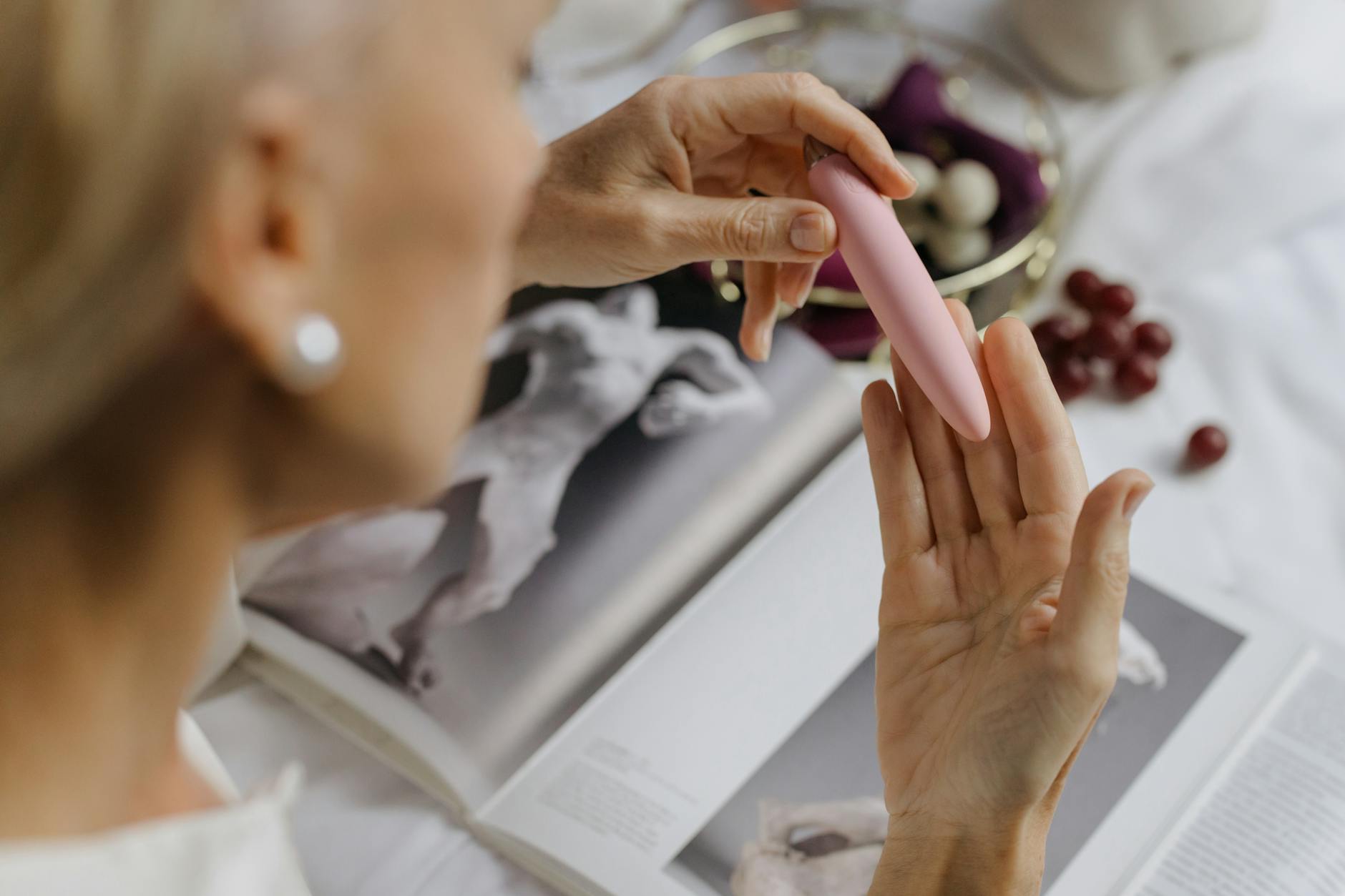
Photo by cottonbro studio on Pexels
Building the practice week by week
Week one: Fifteen-minute sessions, clothed or with underwear on. Lowest setting. Notice sensation without pressure to perform.
Week two: If sensation is building, try direct contact on the clitoris with the Lem. Intensity 1-2. Lubrication helps even though you might not need it yet. Your body is learning the touch is safe.
Week three: Extend to twenty minutes if arousal builds naturally. Stay in your own pleasure rhythm, not a goal. If orgasm happens, wonderful. If it doesn't, the practice itself is the win.
Week four: Test intensity levels 3-4 if sensation is positive. This is when many people start accessing their actual baseline pleasure.
This pace matters because you're not just healing tissue. You're rewiring the message your nervous system sends about that zone. Slow activation is how you convince your body that sensation there is good.
What to adjust if things feel wrong
If pleasure turns to numbness mid-session, stop. You've hit fatigue. Your nervous system is done.
If intensity causes a catch or pinching sensation, you might have pelvic floor tension. Read more about how to use a lemon vibrator when pelvic floor tension blocks pleasure. That post covers specific release techniques that matter after surgery.
If sensation feels overwhelming or triggering, this might be too soon, or it might be worth discussing with your surgeon or a pelvic floor physical therapist. Some post-operative pain conditions (like neuropathic pain) benefit from specialist help.
If you're feeling emotionally stuck about the surgery itself, that's separate from whether your body is physically ready. Talk to someone. Processing the experience is part of the recovery timeline, and it's not something a vibrator solves.
Introducing this with a partner
If you have a partner and you're ready to rebuild intimacy together, timing matters. Start with solo sessions first. You need baseline data about what your body can do without an audience.
When you do involve a partner, be specific about what helps: "I need us to take this slowly" or "I need you to check in every few minutes" or "I need five minutes alone with the Lem first." Partners often assume they should avoid the topic entirely, which leaves you managing everything alone. Clarity is better.
Many people find that returning to intimacy after a long absence requires rebuilding communication first. Surgery forces that conversation anyway, so lean into it.
The nervous system piece (this matters as much as technique)
Your vagus nerve runs through your pelvis. Surgery activates your sympathetic nervous system (fight or flight). Pleasure lives in the parasympathetic system (rest and digest). You can't access one while the other is running.
This is why slow is better than intense. It's why breathing matters. It's why trying to "push through" discomfort makes everything worse.
Before a session, spend five minutes doing something that activates your parasympathetic system. Slow breathing (five counts in, seven out). A warm bath. Lying on your back with your hand on your belly. Then start.
When to seek help
If six weeks of gentle practice shows no sensation improvement, talk to your doctor. Some post-operative conditions (like nerve injury or specific scar tissue) respond to physical therapy.
If sensation returns but orgasm doesn't, that's often a separate neural pathway issue that responds to the clitoral vibrator eventually, but it might take patience.
If you feel emotionally trapped by the surgery, therapy matters. Physical recovery and emotional recovery have their own timelines, and they both deserve attention.
The timeline is yours
You'll hear from people who bounced back in weeks and people who needed six months. Both are right for their bodies. Your timeline is the right timeline. Surgery changes the landscape. A lemon clitoral vibrator and patience change it back.
People also ask
How long after surgery can you use a clitoral vibrator?
This depends on the surgery. For most vaginal procedures, your doctor clears penetration around six to eight weeks. Clitoral stimulation through the skin can often start sooner, sometimes as early as three to four weeks if there's no direct surgical site involvement. The clitoris is separate from most surgical sites, so air-suction devices like the Lem can activate sensation without interfering with incision healing. Start gently and monitor your body's response rather than following a rigid timeline.
Can vibration cause scar tissue problems?
Gentle, low-intensity vibration on healthy healing tissue doesn't cause scar tissue. In fact, some pelvic floor specialists use devices to gently activate sensation after surgery because it promotes healthy nerve recovery. The risk comes from starting too intensely too soon, which can trigger inflammation. Start at the lowest setting and increase gradually. If you develop increased pain or hardening around the surgical site, pause and talk to your surgeon.
Why does my clitoris feel numb after surgery?
Numbing can happen for a few reasons. During surgery, inflammation affects nearby nerves temporarily. Your nervous system might be guarding the whole area as a protective response. Your arousal system might be suppressed from the stress of recovery. None of these are permanent. Gentle, repeated activation of the clitoris usually wakes up sensation within two to four weeks. If it persists beyond eight weeks, mention it to your pelvic floor physical therapist.
Should I use lubricant with the Lem during recovery?
Yes, even if you don't typically need it. Your body's lubrication response might be suppressed during recovery because blood flow is redirected to healing. Water-based lubricant makes the Lem feel softer and less intense, which is what you want early on. It also signals to your nervous system that this touch is gentle and safe. Continue using lube until your natural lubrication returns.
Can I use a lemon vibrator if I had stitches?
Yes, but timing matters. If your stitches are in the incision area directly (not the clitoris), you need to wait until they're fully dissolved and the area is closed, usually four to six weeks. The clitoris sits well above most surgical sites, so you can often activate it once you can walk comfortably. Avoid any contact with the actual incision site until your doctor confirms full healing. Use low intensity and water-based lubricant.
What if using the vibrator brings up emotions?
This is common and important. Surgery often activates grief, loss, or fear around the body. When you reintroduce pleasure, sometimes those emotions surface alongside sensation. That's not a sign to stop. It's information that your nervous system is processing. Take a break, breathe, maybe journal or talk to someone. Then return when you're ready. Pleasure after trauma is sometimes messy emotionally before it feels good physically.
The path forward
Recovery is not linear. Some days you'll feel ready and some days you'll need to wait. A lemon clitoral vibrator paired with patience and clear communication with your body is how you rebuild. Your surgery changed your physical landscape, but your capacity for pleasure is still there. You're just meeting it on a new timeline.
If you have questions about your specific recovery or want more personalized guidance, reach out. Rebuilding after surgery deserves real support.