Let's name what you're actually feeling
It's been months. Maybe years. And now you're thinking about sex again, and the thought feels heavy. Not bad, necessarily. Heavy. Like you're supposed to remember how to do this, but your body has moved on, and your brain is skeptical about the whole project.
That hesitation is completely normal. Long breaks from intimacy rewire your neural pathways, your confidence, and your sense of what your body even wants anymore. The gap between "I should want this" and "I actually want this" can feel impossible.
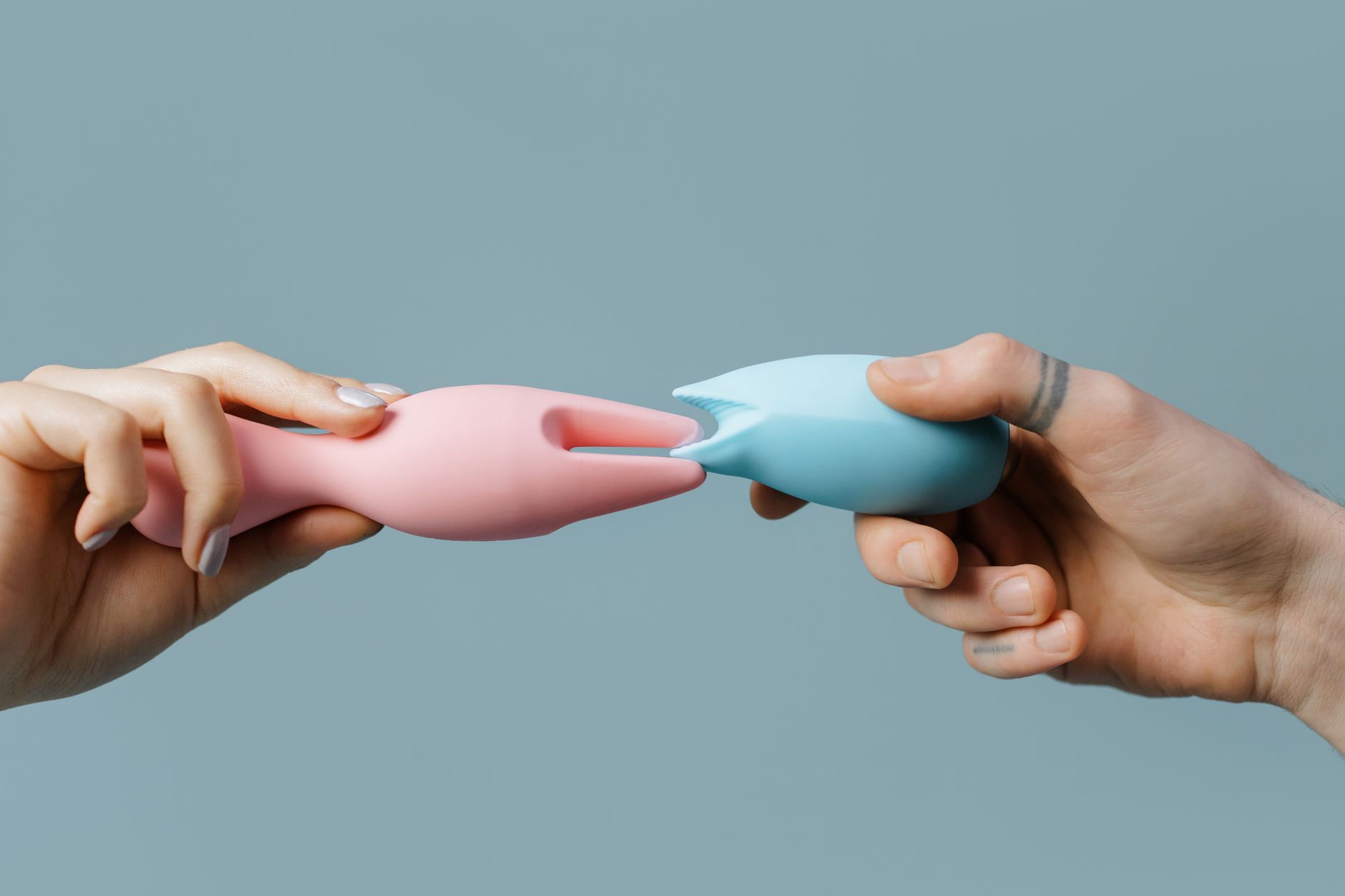
Here's where a lemon sucker like Nancy's clitoral vibrator becomes your actual friend: it removes the guesswork, eliminates the performance pressure, and lets you rebuild confidence at your own speed. Not with a partner watching. Not with expectation attached. Just you, reconnecting with pleasure on your own terms.
Why long absences change how your body responds
When you haven't engaged sexually for an extended period, several things happen simultaneously. Your pelvic floor muscles lose some tone. Your mind develops protective patterns around vulnerability. And neurologically, the pathways between arousal and physical sensation get quieter. It's not that pleasure capability disappears. It's that your nervous system has learned to prioritize safety over sensation.
A lemon vibrator works here because suction-based stimulation bypasses some of that cognitive resistance. It doesn't ask permission. It doesn't require you to "perform arousal" for someone else. Suction stimulates the clitoral complex directly, which can wake up nerve pathways faster than you might expect.
Starting solo before you start with a partner
If you're thinking about restarting intimacy with a partner, I almost always recommend beginning alone. Not as a delay tactic. As foundation work. Your solo practice teaches you three things: what your body actually responds to now, what pressure level feels good versus overwhelming, and how long actual arousal takes when there's zero external expectation.
Begin by doing absolutely nothing. Set aside 20 minutes where you're alone, doors locked, phone away. Light a candle if that helps ground you. The goal is not orgasm. The goal is noticing sensation without judgment. Breathe. Touch your thighs, your breasts, your belly. Notice what feels okay versus what feels weird.
After 5 to 10 minutes of that, introduce the lemon vibrator at the lowest intensity setting. Don't aim for your clitoris immediately. Trace the outer labia first. Notice the sensation. This isn't foreplay in the traditional sense. It's reconnaissance. You're gathering data about how your body responds right now, today, in this moment.
The intensity question
After a long absence, strong vibration can feel jarring or even overwhelming. Start at pattern 1 on the Lem and stay there for at least three minutes. Your nervous system needs permission to recognize that this sensation is safe. Too much intensity too fast reads as threat, and your body will shut down. That's not failure. That's your nervous system doing its job.
If pattern 1 feels manageable, move to pattern 2. If it feels like too much, stay at 1 for another session. This isn't a race. You're building capacity slowly, which means the pleasure actually lasts.
Understanding the difference between arousal and orgasm
Here's a distinction that matters hugely after a long break: arousal and orgasm are not the same system. You can have arousal without orgasm. You can have physical response without desire. And you can have the opposite. After months away from intimacy, expecting both to activate simultaneously is like expecting to run a marathon after not exercising for a year.
With a lemon clitoral vibrator, begin tracking arousal separately from climax. Spend three to five solo sessions just noticing what arousal feels like now. Warmth. Swelling. Lubrication. Faster breath. Relaxed muscles. For some people, arousal after a long break looks different than it did before. Pay attention. That information matters.
Orgasm will probably come later. Or it might not on every session. Both are completely fine. The point is retraining your body to recognize and trust pleasure again.
When you're ready to share this with a partner
The conversation matters more than the timing. Not during sex. Before it. Say something like: "I've been thinking about us reconnecting physically, and I'm a little nervous because it's been a while. I'd like to take this slowly. I've been using the lemon vibrator to get my body comfortable again, and I'd like to explore together when you're ready."
A partner who gets defensive or pressures you to move faster than feels good is showing you important information about whether this is the right partnership for this work. Full stop.
When you do introduce the lemon vibrator to partnered intimacy, let it be on your terms. You hold it. You control the pressure and intensity. Your partner's role initially is just presence. Not directing. Not performing. Just being there while you reconnect with your own pleasure. That might feel strange to someone used to a more traditional rhythm, but it's the fastest path to real confidence.
Lubrication matters more than you think
After a long absence from sex, lubrication production often decreases. This isn't a sign of broken arousal. It's normal. Use a water-based lube with the lemon vibrator from the first session, not as a backup if something feels dry. Lube removes friction that can feel uncomfortable and makes the sensation of suction feel cleaner and more pleasurable. It's not cheating. It's enabling.
Pacing your rebuild
Week one: solo exploration with the vibrator at lowest intensity for 15 to 20 minutes, three times. The goal is just noticing sensation and rebuilding the neural pathway between stimulation and pleasure.
Week two: if the previous sessions felt neutral or good, move to pattern 2. Still solo. Still 15 to 20 minutes. Notice whether arousal builds faster now.
Week three: if you're feeling good about solo play, you might mention it casually to your partner. "I've been thinking about us trying some things together." This is not an invitation to perform. It's information.
Week four and beyond: introduce the vibrator in partnered play if you want to. You on top, you in control, you setting the pace. Your partner can touch other parts of your body. But the vibrator stays yours to operate.
The emotional part nobody talks about
After a long absence, pleasure can bring up unexpected feelings. Sometimes relief. Sometimes guilt. Sometimes grief about the time that passed. Sometimes doubt about whether you actually want this at all. All of those are legitimate. None of them mean you're broken or that the process isn't working.
In my work with couples rebuilding intimacy after long gaps, the most common surprise is that one partner discovers they want different things now than they did before. That's not a problem to fix. That's an opportunity to renegotiate. Your body and mind have both changed. It makes sense that your preferences have too.
When to involve professional support
If after four to six weeks of solo play with the lemon vibrator you're still not feeling any arousal at all, or if the experience feels actively unpleasant, that's worth exploring with a therapist. Not because you're broken. Because sometimes long breaks from intimacy correlate with other things: trauma, depression, relationship resentment, hormonal changes. A professional can help you identify whether the barrier is purely physical, mostly psychological, or a combination.
Similarly, if you want to restart intimacy with a partner but the emotional trust is damaged, no vibrator fixes that. That's relational work. Worth doing separately or with a couples therapist alongside your physical exploration.
The reframe that actually helps
Return to intimacy isn't about erasing time. It's about starting a new chapter. Your body isn't the same as it was. Neither is your mind. That's not loss. That's evolution. You have a chance to build intimacy from scratch with more honesty, more communication, and more attention to what you actually want instead of what you think you should want.
A lemon vibrator is just a tool. But it's a tool that lets you practice pleasure without judgment, without performance, and without pressure. Start there. Everything else follows.
People also ask
How long does it typically take to feel comfortable with a clitoral vibrator after a long sexual break?
Most people feel genuinely comfortable by week two or three of consistent solo use. By "comfortable," I mean not-anxious during the experience. Arousal building typically takes longer. I usually recommend people expect four to six weeks before they feel natural pleasure again. But everyone is different. Some people reconnect faster. Some need more time. Neither pace is wrong.
Can using a lemon vibrator alone make it harder to reconnect with a partner?
Not at all. In fact, the opposite is true. When you've used a lemon sucker solo and know exactly what intensity and pattern works for you, you have actual data to share with a partner. "I prefer this pressure, this speed, at this time of the cycle." That information makes partnered sex easier and more pleasurable, not harder. Solo play and partnered play are different conversations. They support each other.
What if I use the lemon vibrator solo but still feel nothing with a partner?
That usually signals one of three things: timing pressure from the partner, unresolved relational tension, or a mismatch between what your body needs and what your partner is offering. It's not a vibrator problem. It's information about your relationship or your nervous system's readiness. Work on one thing at a time. If solo arousal is working fine but partnered intimacy doesn't happen, focus on the relationship piece before blaming yourself.
Is it normal to feel emotionally weird after reconnecting physically?
Completely normal. Intimacy triggers oxytocin and other neurochemicals that affect your mood, your sense of safety, and your attachment. After a long break, reconnecting can surface grief, joy, doubt, guilt, or relief all at once. That's not something being wrong. That's your nervous system integrating a significant change. Take time to process. Talk to your partner about it. A therapist helps too.
Should I tell my partner I've been using a lemon clitoral vibrator before we reconnect intimately?
That depends on your relationship and your comfort level. In most secure partnerships, mentioning it casually is actually helpful. "I've been reconnecting with my body using a vibrator. I'd like to explore together when you're ready." Some partners feel relieved that you're taking initiative. Some feel curious. Some feel threatened. Their reaction will tell you something important about the relationship itself. There's no obligation to disclose, but honesty usually opens doors.
What if we reconnect but the intimacy doesn't feel like it used to?
Of course it doesn't. You've both changed. Your bodies are different. Your relationship has shifted. You've had separate experiences. Expecting reconnection to feel identical to what it was before is like expecting to read the same book and have the same first-time experience. Not gonna happen. The good news: it can be better. Different. Deeper. If you're willing to let it be new instead of trying to resurrect the past.
Next steps
Restarting intimacy after a long absence takes intention and patience. A lemon vibrator from Nancy Lem Vibrator gives you a pressure-free way to rebuild that connection with your body first. Solo play isn't selfish. It's foundational. When you know what pleasure feels like again, partnered intimacy becomes easier and more honest.
If you're stuck or uncertain about the relational side of reconnection, reach out. Sometimes a conversation with a professional helps clarify what's actually in the way.