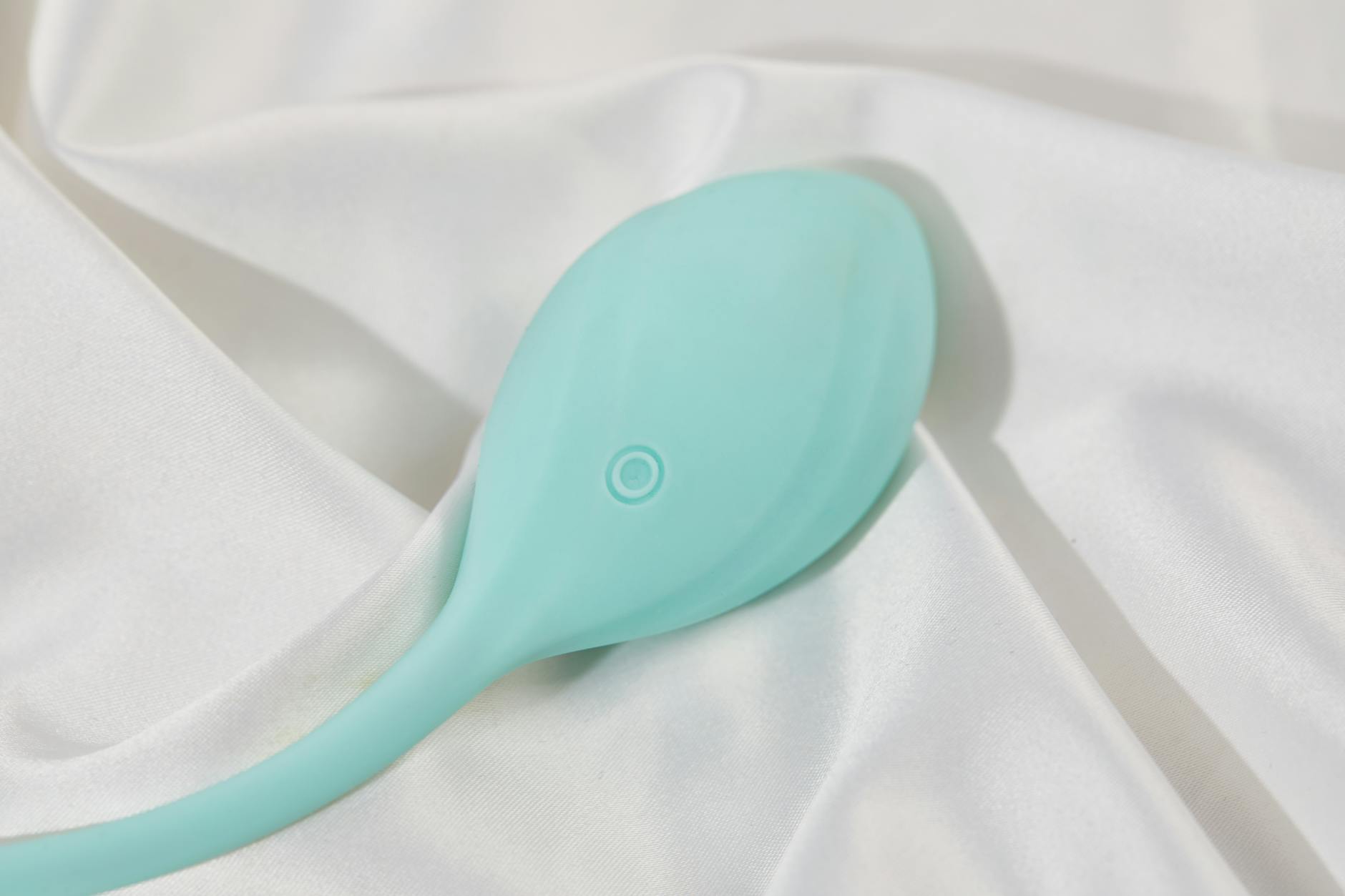
When grief shows up as numbness
Here's the thing nobody warns you about: grief doesn't just sit in your chest. It spreads. It reaches into your body and turns off the switches. Your partner touches you and you feel nothing, or worse, you feel trapped. Your mind goes blank. Your desire, which used to be reliable, becomes a stranger.
That's not depression. That's not a failing relationship. That's grief doing exactly what it does. It redistributes your nervous system's resources toward survival. Sex gets deprioritized because, at a cellular level, you're in conservation mode.
The question isn't how to force yourself back into desire. It's how to gently create conditions where desire might, eventually, return on its own.
Why traditional solutions fail after loss
Most advice about low desire assumes the problem is technical. More foreplay. Better communication. Schedule sex. These things work when desire is suppressed but available. After significant loss, desire isn't suppressed. It's temporarily offline.
Pushing harder at offline desire doesn't wake it up. It creates resentment and shame. You end up performing desire you don't feel, which deepens the numbness.
What works instead is permission. Permission to move slowly. Permission to explore sensation without the goal of orgasm. Permission to stop whenever your nervous system says no.
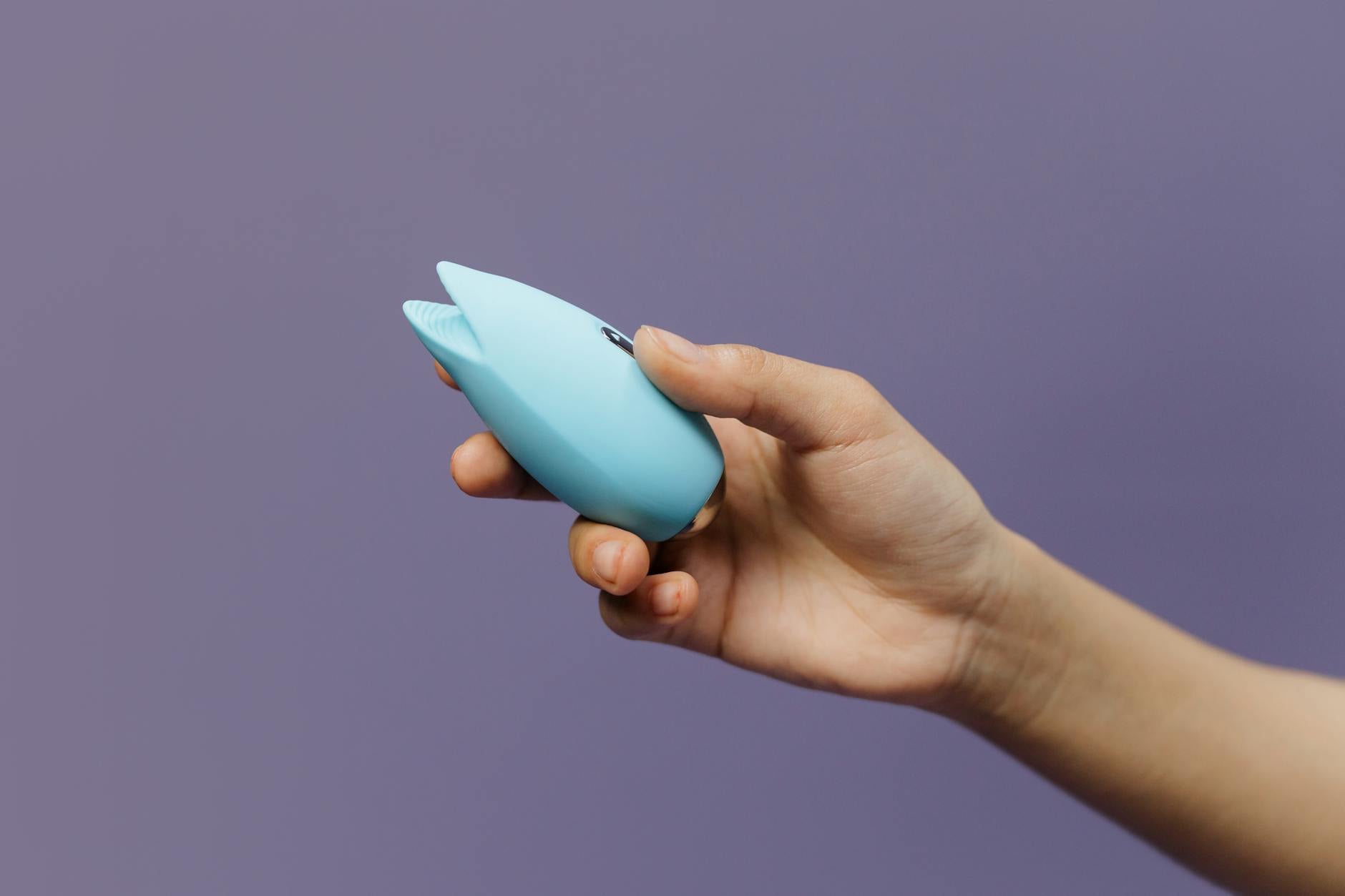
Photo by cottonbro studio on Pexels
Why a lemon vibrator is different for grief-related numbness
Most vibrators require you to already be aroused to feel them clearly. They're designed for bodies that are ready. A lemon vibrator, with its suction-based stimulation, works differently. It generates sensation rather than requiring you to bring sensation to the table.
That matters when you're numb. You don't have to feel guilty about not being ready. You don't have to work your way up from a deficit. The lemon sucker creates sensation that your body registers, even when your nervous system is closed.
It's not a workaround for grief. It's a tool that meets you where you actually are: wanting to reconnect, but not able to access desire the old way yet.
Starting small, without pressure
If you're partnered, have a conversation first. Not about what you owe each other. About what you're actually ready for. "I want to start exploring sensation again. I don't know where this goes. I don't need it to go anywhere. I just need permission to start small."
Solo play is often easier at this stage. There's no one watching for signs of arousal. No one waiting for the outcome. There's just you and the gentle, insistent pulse of the lemon vibrator.
Start with the lowest setting. You're not trying to orgasm. You're gathering data. What sensations get through the numbness? Which patterns feel like anything at all?
Many people in the early stages of grief find that they need to go slower and longer than they ever have. Twenty or thirty minutes of gentle sensation before anything shifts. That's not wrong. That's your nervous system still holding the loss, and needing time to believe it's safe to open up again.
The three phases of reconnection
Phase One: Sensation without expectation. Just touch the lemon vibrator to your skin and notice what happens. You might feel nothing. You might feel only pressure. That's fine. The goal here is nervous system recalibration, not pleasure.
Phase Two: Gentle arousal. After a few sessions, your body might start responding. Not with excitement. With interest. You notice your breathing shifts. Your skin gets warmer. You use the lemon sucker on the lowest or second-lowest settings, giving yourself permission to stop whenever you want.
Phase Three: Exploration. Once you've had a few sessions where your body actually responded, you can start to play with the different patterns and intensities. Still without pressure. Still with the absolute right to stop.
Don't race through these phases. Grief has its own timeline. Forcing yourself to Phase Three when you're still in Phase One just adds frustration.
What to avoid
Don't use a lemon vibrator as proof that you're ready. You're not gathering evidence that you're healing. You're just moving your nervous system incrementally.
Don't compare your timeline to anyone else's. Your grief is yours. Your timeline is yours. The person next to you might reconnect with desire in weeks. You might take months. Both are normal.
Don't feel shame if you still don't want sex with your partner even as solo sensation returns. Desire with someone else is different from desire alone. You might need time to rebuild that separately. That's fine too.
Bringing your partner in, when you're ready
If you're partnered and you've done solo work first, bringing your partner into this is less about performance and more about vulnerability. "I tried this alone. It helped a little. I'd like us to explore this together, but slowly."
That might mean they hold the lemon vibrator for you, which shifts the sensation and adds presence. It might mean they just sit with you while you use it alone, so you're not hiding. It might mean they use it on themselves, and you're just in the room together.
The point isn't intercourse. The point is rebuilding the signal that intimacy is safe again. That your body is worth attention again. That they're not going anywhere while you grieve.
Many couples find that partnered exploration with a lemon clitoral vibrator is actually easier than traditional sex during grief recovery because there's no performance expectation. No one has to do or finish anything. You're just two people together, moving slowly through the threshold back into desire.
When to pause or seek support
If sensation doesn't return after a few weeks of gentle exploration, that's a sign to check in with a therapist. Sometimes desire shutdown isn't just grief. It's depression. It's trauma. It's your nervous system protecting you from something deeper.
A good therapist can help you figure out what's actually going on. And honestly? Sometimes you need that external perspective. You can't think your way out of nervous system shutdown. You need support.
If touch of any kind triggers panic or feels unsafe, pause the physical exploration and work with a trauma specialist first. A lemon vibrator is a tool for reconnection, not a trauma cure.
The long view
Desire usually comes back. Not exactly the same as it was, because you're not exactly the same. Loss changes you. But the capacity for pleasure, for connection, for that electric moment when your body wakes up again? That comes back.
Using a lemon vibrator during this transition isn't about rushing that return. It's about creating tiny moments of aliveness while you wait for it. Small gestures your nervous system can register. Proof that pleasure and grief can exist in the same body, at the same time.
Your desire will return. It just gets to take its time.
FAQ
Can I use a lemon vibrator while I'm still actively grieving?
Yes. Grief isn't linear, and your body's interest in sensation might fluctuate. One day you feel nothing. The next day you're curious again. That's normal. You can explore gently whenever you feel any spark of interest, and stop whenever the numbness comes back. There's no "right time." There's only the time you're in.
How often should I use a lemon vibrator during grief recovery?
Start with once or twice a week if it feels good. This isn't about building a habit. It's about listening to what your body wants. Some weeks you'll want to explore more. Other weeks, you won't want to touch it. Both responses are okay. Let your nervous system lead.
Will using a lemon vibrator alone make me not want sex with my partner?
No. Solo play and partnered sex activate different neural pathways. Learning to reconnect with sensation alone often makes partnered intimacy easier, not harder, because you've rebuilt the basic sense that touch is safe and interesting. That foundation helps both.
What if I use a lemon vibrator and feel nothing at all?
That's data, not failure. Your nervous system is telling you it's not ready yet. Keep the tool around, but don't force it. Sometimes you need more time in pure numbness before sensation starts to return. A few weeks or months of rest might be what you actually need. Honor that.
Can my partner use a lemon vibrator on me if I'm not ready for traditional sex?
Absolutely. In fact, this can be a beautiful bridge. Your partner provides presence and attention without the pressure of performance. The lemon vibrator generates sensation. You get to experience both, in a low-stakes way. Many couples find this is exactly the right entry point back into physical intimacy.
How do I know when I'm ready to move beyond gentle exploration?
Your body will tell you. You'll notice you're initiating touch more. You'll feel curiosity about trying different patterns. You'll want more intensity. You might actually want sex. These signs come naturally when your nervous system has processed enough of the grief to open up again. You don't have to make it happen. You just notice when it does.
Is there a specific type of lemon vibrator that works best after loss?
The classic lemon vibrator design is ideal because of its gentle learning curve. Start with the lowest settings and work up only when your body clearly asks for more. The slower pace is actually the feature, not a limitation. It matches where you are.
If you're navigating desire after loss, remember that your numbness isn't permanent. Your grief is real. And your body's capacity to feel pleasure again is also real. They exist at the same time, and that's okay. A lemon vibrator can be a small, gentle tool for rebuilding that connection, one sensation at a time.
If you want to explore more about rekindling intimacy after life's hardest moments, we have resources on how to rebuild intimacy after sexual avoidance and how to use a lemon vibrator for better sex after major life transitions. Both might feel relevant to where you are.