Let's be real about what happens when sex stops
One partner stops initiating. The other stops trying. Within months, the bed becomes a place where you both sleep separately, mentally speaking. No fight, no conversation. Just absence. Sexual avoidance is one of the quietest relationship erosions there is, and I see it in my practice constantly. It's not always about desire disappearing. Sometimes it's about fear, shame, pressure, or hurt that never got named.
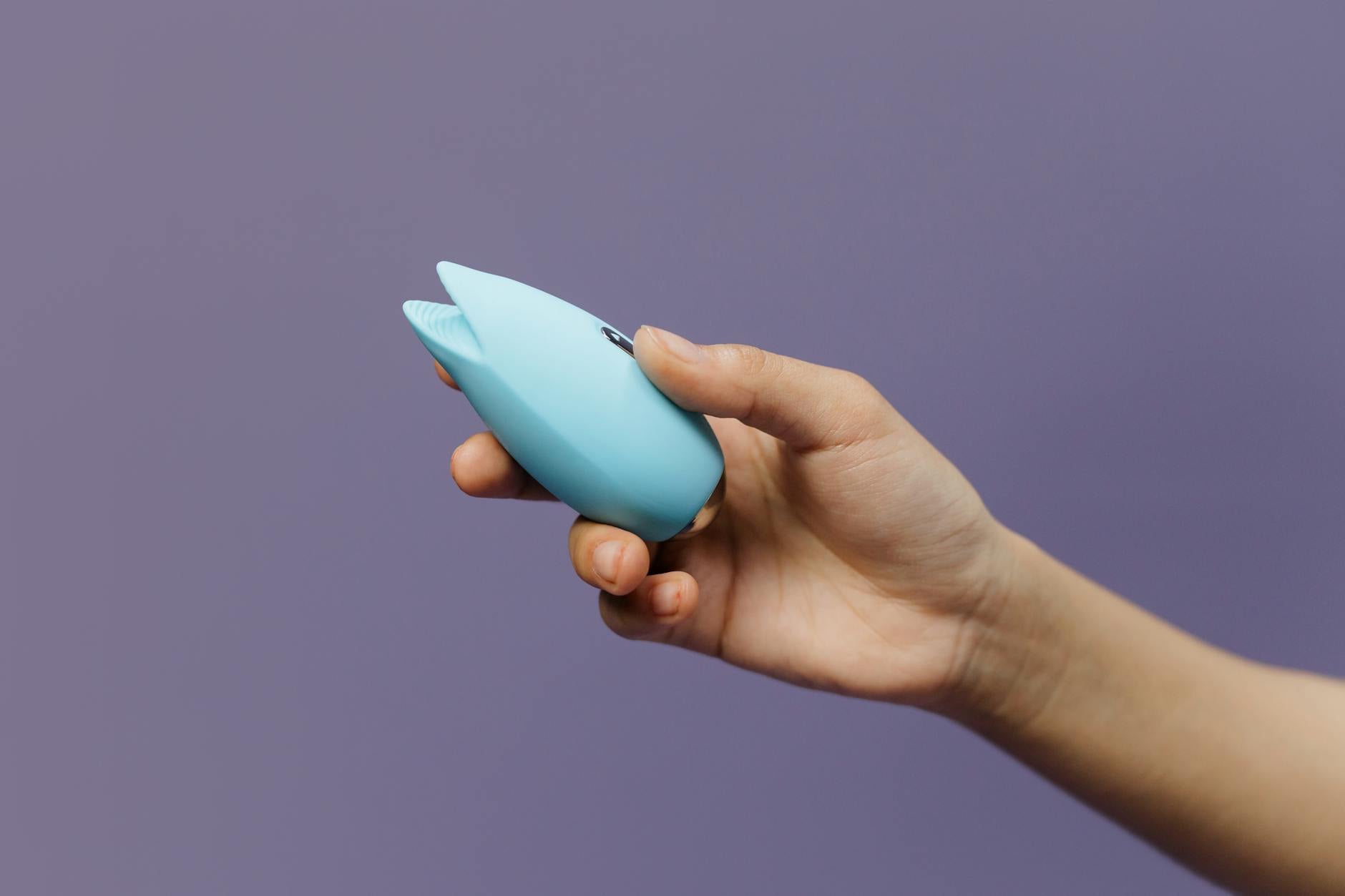
Here's what I know: rebuilding intimacy after avoidance isn't about forcing sex back into the routine. It's about creating safety first, then touch, then conversation. And sometimes a tool like a lemon clitoral vibrator changes the entire energy because it removes the performance pressure and reframes pleasure as something you explore together instead of something one person demands from the other.
Why sexual avoidance happens (and why it spreads)
Avoidance rarely starts with "I don't want sex anymore." It usually starts smaller. One partner feels criticized during sex, so they tense up next time. The other partner senses the tension and pulls back to avoid rejection. A few weeks of this, and suddenly it's been three months. The longer it goes, the more shame accumulates. By the time either person wants to restart, the discomfort feels insurmountable.
Other common triggers include mismatched desire, unresolved conflict from outside the bedroom, medication side effects, anxiety, past trauma, or simply feeling unseen by your partner. Sometimes it's physical: pain that never got diagnosed, or hormonal changes that shifted the landscape. The cause matters less than the pattern. What matters is recognizing that avoidance is a communication, and it needs translation.
The first conversation you actually need to have
Most couples try to restart sex by initiating sex. That's backward. You need a conversation first, and it can't happen in bed. Pick a time when you're both calm, not tired, and not about to go out. Here's what I tell clients to say.
The avoiding partner goes first: "I've noticed we haven't been intimate in a while. I'm not blaming you. I want to understand what's shifted for me and for us. Can we talk about it?" This isn't an accusation. It's an invitation.
The other partner responds honestly. Not defensively. Not with a list of grievances. Just the truth: "I felt rejected, so I stopped trying." Or "I got anxious and didn't know how to bring it up." Or "I think we stopped seeing each other."
Then, crucially, you ask: "What would help you feel safe exploring intimacy again?" Not "When can we have sex?" That's still pressure. You're asking about safety first.
Why lemon vibrators help restart this conversation
Here's what I've seen happen in couples therapy when partners explore lemon clitoral vibrators together. The device becomes a third thing in the room. It's not about one person's body or one person's needs. It's about curiosity. It's a conversation starter that doesn't feel like confrontation.
A lemon vibrator, with its suction-based stimulation, feels different from traditional vibrators or manual touch. That newness can reset the nervous system. Partners often report that using a lemon adult toy together feels less loaded than returning to their old patterns because it's genuinely new. Neither of you has a history there.
The suction sensation also typically requires less direct pressure than other toys, which means it's gentler for people whose tissues are sensitive after months of avoidance. It feels better, which matters. If reconnection hurts or feels too intense, you stop trying.
Building the bridge back to touch
I recommend a staged approach. You're not jumping straight to penetrative sex or even traditional foreplay. You're rebuilding touch language.
Week 1-2: Non-sexual touch. Hold hands. Sit close. A hand on the small of the back. Massage, but not sexual massage. Just hands on skin. The goal is to remember that your partner's body is safe and theirs is responsive. No agenda. No pressure.
Week 3-4: Partnered exploration. This is where lemon vibrators enter. One partner holds the toy. The other uses it on themselves while their partner watches. No spectacle required. Just presence. The person using it narrates what feels good. "That pattern feels intense." "A bit lower." This is communication through sensation.
Week 5+: Mutual play. Partners take turns. Different patterns. Different intensities. The point is that pleasure becomes something you share, not something you perform. You're both learning each other's body again.
Each stage should last as long as it needs to. If you're moving too fast and shame or anxiety spike, go back a step.
Addressing the specific barriers
Sometimes couples get stuck because one partner is still angry. Sexual avoidance often masks resentment, and trying to restart sex before addressing that resentment is like painting over a crack. It looks better for a week, then splits right back open.
If anger is present, name it before toys enter the picture. "I feel hurt because..." "I need an apology for..." These conversations are separate from the intimacy rebuild, but they're prerequisites.
Sometimes the barrier is shame. One partner feels ashamed of their body, their desires, or the avoidance itself. A lemon clitoral vibrator can actually lower shame because it's explicitly about pleasure, not performance. It's not about looking a certain way or lasting a certain length of time. It's just sensation.
Other times the barrier is practical. You're exhausted. You have young kids. Work is consuming. In these cases, intimacy rebuild might mean starting with 15 minutes on Sunday morning, not waiting for a perfect evening that never comes.
When to bring a sex toy into the conversation
Don't surprise your partner with a toy. That usually lands as pressure or criticism. Instead, bring it up during the safety conversation. "I've been reading about ways couples reconnect, and something called a lemon vibrator keeps coming up. I think it might help us both relax because it feels different from what we've done before. Would you be open to exploring that together?"
If they say no, don't push. The tool matters less than the willingness to try. But most partners who've been avoiding say yes because it doesn't feel like a return to the old dynamic. It feels like something new you're both learning.
When you do start using a lemon sexual toy together, focus on sensation, not outcome. You're not trying to reach orgasm. You're trying to feel pleasure without the weight of history or expectation. That shift in goal changes everything.
The long game: staying connected after reconnection
The real work isn't rebuilding intimacy once. It's preventing the avoidance pattern from returning. This means checking in regularly. Not a formal quarterly review, just: "How are we doing physically?" "Is there anything you need?" "Are we still connected?"
It means not letting resentment go unnamed. If something bothers you, say it that week. Don't let it marinate into avoidance.
It means keeping pleasure playful. Once you've reconnected with lemon vibrators or any tool, don't let it become routine. Mix it up. Try different patterns. Stay curious.
Most importantly, it means remembering that sexual avoidance usually isn't about sex. It's about feeling unsafe, unseen, or unheard. Every time you prioritize connection over performance, you're rebuilding that safety. Eventually, the physical reconnection follows naturally.
People Also Ask
How long does it take to rebuild intimacy after sexual avoidance?
There's no timeline. I've seen couples reconnect in six weeks and others who needed six months. It depends on how long the avoidance lasted, what caused it, and how willing both partners are to show up. The key is consistency, not speed. One conversation followed by weeks of silence won't work. Weekly check-ins, regular touch, and gradual escalation work better than trying to rush back to where you were.
Is it normal to feel anxious when restarting intimacy after avoidance?
Completely. Your nervous system learned that bedroom = pressure or rejection. Retraining that takes time. Both partners might feel anxious. One might worry they're not doing it right. The other might feel triggered. Naming this helps. "I'm nervous and I'm showing up anyway because I want to reconnect." That's bravery, and it matters.
Can using a lemon vibrator actually fix a relationship problem?
No toy fixes a broken relationship. But a tool like a lemon clitoral vibrator can lower the barriers to reconnection. It reframes the conversation from "we need to have sex" to "let's explore pleasure together." That shift in framing opens a door that was stuck. The relationship work still happens through communication, but the tool can make that work feel safer and less loaded.
What if my partner is still resistant after I suggest reconnecting?
Then something deeper is happening. Resistance usually signals unprocessed hurt, unmet needs, or a loss of trust that sex alone won't heal. That's when professional support helps. A couples therapist can help you both understand what's underneath the resistance and work through it together. There's no shame in getting help. It's often the fastest route to reconnection.
Is it okay to use a lemon sucker toy if one partner is more enthusiastic than the other?
Yes, but frame it carefully. If one partner is eager and the other reluctant, the reluctant partner might feel pressured. Start with them leading the exploration. Let them set the pace. If they're willing to use it on themselves while you're present, that's enough progress. Pressure kills reconnection. Patience builds it.
How do I know if sexual avoidance is fixable versus a sign we should break up?
That's a different conversation and sometimes needs a therapist to navigate. But here's what I tell couples: if both of you want to reconnect, it's fixable. If one partner has checked out entirely and doesn't want to try, that's a different situation. Avoidance becomes a breakup signal when it's paired with a refusal to engage. Avoidance paired with willingness to talk and explore is just a relationship in transition. Those transition periods are hard, but they're also where real intimacy gets rebuilt.
The thing about reconnection
Sexual avoidance feels permanent when you're in it. Like you'll never touch each other again. But I've worked with hundreds of couples who felt that way and came back to each other. Sometimes stronger than before because they had to learn to talk about desire, fear, and shame. That conversation is where real intimacy lives.
If you're stuck in avoidance and don't know how to start the conversation, reach out. That's what support is for. You don't have to figure this out alone.