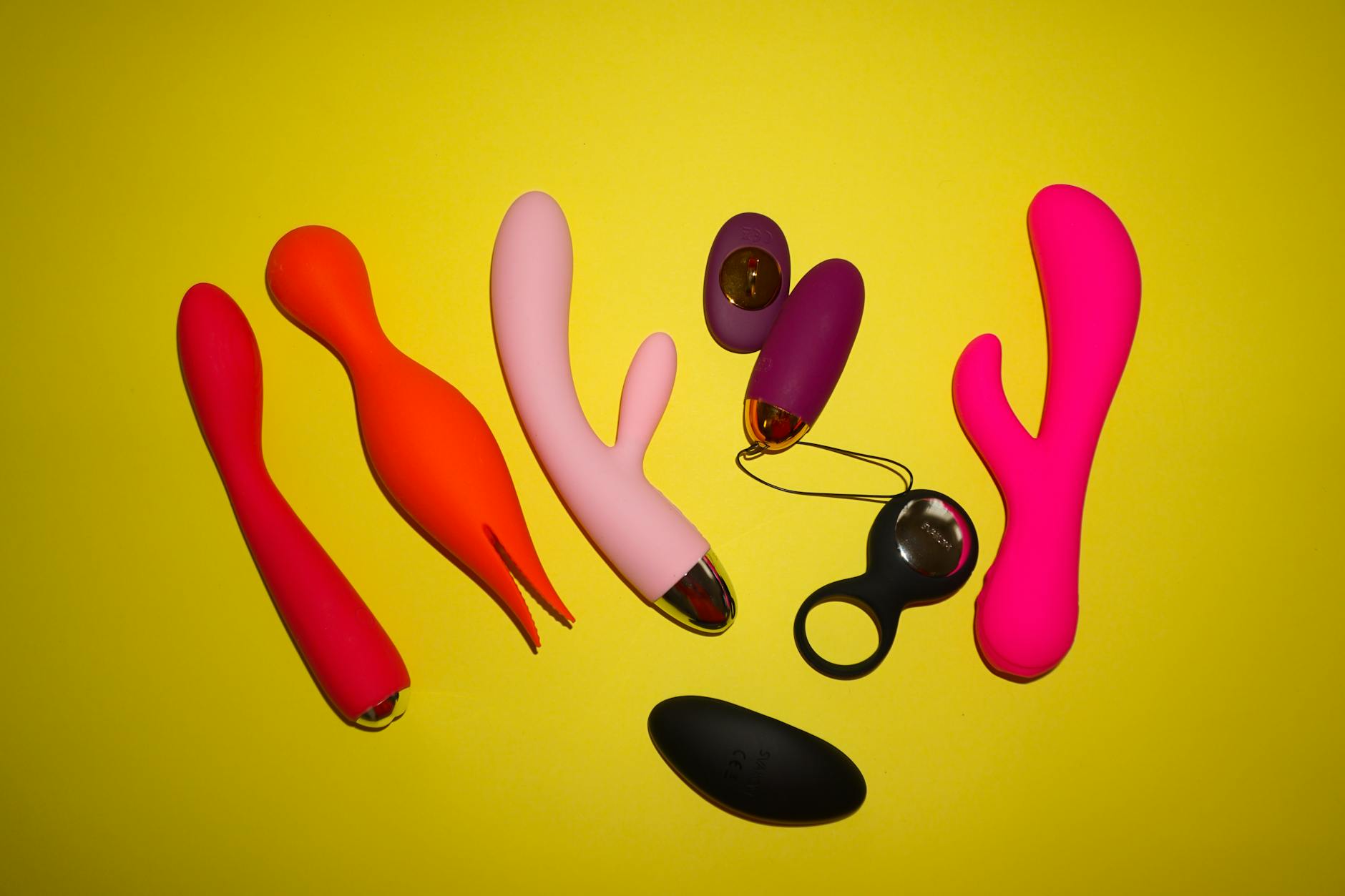
How to Use a Lemon Vibrator When You Have Chronic Pain
Let's be real. Chronic pain changes everything about your body. That includes pleasure. But it doesn't end it.
If you live with rheumatoid arthritis, fibromyalgia, endometriosis, neuropathy, or any of the dozen conditions that make movement complicated, the idea of using a vibrator might sound laughable. Why would you add pressure, heat, or complexity to a body that's already exhausted? Here's the thing though. A well-designed lemon clitoral vibrator, when used thoughtfully, can actually lower the barrier to pleasure for people with chronic pain. No clenching required. No arm strength. No gymnastics.
I've worked with dozens of people managing chronic conditions who've found that the Lem vibrator (a suction-based lemon clitoral vibrator) works better than traditional toys because the mechanism removes the friction that can trigger flare-ups. That's not a guarantee for everyone. But it's worth understanding why, and how to build around your actual limitations.
Why chronic pain makes traditional vibrators harder
Most traditional vibrators require gripping, angling, and sustained pressure. That's muscle work. If you have fibromyalgia, your muscles are already exhausted. If you have arthritis, your hands or joints might not tolerate a firm grip. If you have endometriosis, direct pressure can trigger pain.
The suction mechanism in lemon vibrators works differently. Instead of vibrating against tissue, it creates gentle waves of sensation. That changes the game for three reasons.
First, it requires less hand strength to position and hold. The shape fits your body rather than asking your body to adjust. Second, suction spreads stimulus across a wider area, so no single point bears all the intensity. Third, and most important, you can reach pleasure with your body at rest. No clenching. No arching. No fight.
Positioning for pain management
If movement hurts, your position becomes everything. Here's what actually works.
Lying flat is your baseline. Back, front, or side. Whatever feels neutral. Don't angle toward discomfort. The lemon clitoral vibrator is small and designed to come to you, not the other way around. If your hips are tender, a pillow underneath keeps you supported without strain.
Prop yourself up if lying flat triggers pain. Some people with lower back issues do better semi-reclined, with a pillow wedge under the lower back. Some with pelvic floor tension need a small pillow between the knees. Experiment. Your position is not failure. It's smart adaptation.
Keep your hand close to your body. You want the device within a 3-4 inch radius of your body when you're using it. If you have to reach, extend, or position awkwardly, stop. Adjust. A partner can hold the device steady if your hands are limited by arthritis or tremors. That's practical, not cheating.
Pain flare-ups and pacing
Chronical pain doesn't follow a schedule. Some days are manageable. Some days your body is in revolt. Learn to read the difference.
If you're in a flare-up, don't force it. A vibrator won't fix pain that's peaked. What it can do is help on the medium-pain days, the ones where you're not incapacitated but also not feeling great. Those are the moments a lemon clitoral vibrator helps most.
Pace yourself differently than you might without pain. Instead of one long session, try two or three shorter ones over a few days. Five minutes is enough. Ten is generous. More isn't more. More is a flare. Your nervous system will thank you for stopping before it hurts.
Temperature and texture considerations
Many people with chronic pain have temperature sensitivities. Some experience neuropathy that makes certain sensations sharp instead of pleasant. Some have skin that's reactive to friction.
The silicone in a quality lemon adult toy has minimal texture, which helps. But temperature matters. Cold silicone can feel shocking to neuropathic skin. Warm silicone feels safer. Spend 30 seconds running the device under warm (not hot) water before use. That small shift changes the entire experience.
If you have nerve pain or neuropathy, start at the lowest setting. The lowest. Lemon vibrators often have 3-5 intensity levels. Many people begin at level 2 or 3. If you have neuropathy, start at 1 and stay there for several sessions before considering anything higher. Your nervous system is already overactive. You're not trying to push it further. You're trying to show it that touch can feel good without triggering a pain response.
Medication interactions and timing
Many chronic pain conditions come with medication. Some of those medications affect sensation, blood flow, or arousal itself.
Opioids, for instance, can blunt sensation and make orgasm harder to reach. Anticonvulsants used for nerve pain can do the same. Neither means you can't reach pleasure with a lemon vibrator. But they might mean you need more time, lower intensity, and gentler approach than someone without those medications.
Timing matters. If you take muscle relaxants, consider using your vibrator about 30-45 minutes after a dose, when the medication is active but not peak. If your pain meds wear off mid-afternoon, that might be your window. Don't fight your body's chemistry. Work with it.
Solo versus partnered use
Partners can be helpful or exhausting. Honestly, it depends on your relationship and your pain level on a given day.
If you have a partner and you want to include them, the lemon vibrator actually makes that easier than many toys. It's not requiring penetration. It doesn't need angles. A partner can hold it steady while you focus on sensation. That removes the pressure to perform or manage positioning. It's genuinely collaborative.
But if partnered use feels like an obligation or adds pressure, stick with solo play. Your pleasure is not a relationship task. It's a personal one. Solo sessions with a lemon clitoral vibrator are valid, nourishing, and zero-obligation.
Managing fatigue and pleasure together
Chronically ill people are tired. Not just physically. Neurologically. Your brain and body are managing pain constantly. Adding pleasure should feel restorative, not like another task.
This is where the ease of using a lemon vibrator matters. You're not working toward pleasure. You're allowing it to happen. That shifts the effort curve. Five minutes of gentle suction sensation might cost you less energy than anything else you do for yourself that day. And the dopamine hit afterward might actually improve mood and pain perception for a few hours afterward. That's not nothing.
When to talk to your doctor
If you have severe nerve pain, certain types of neuropathy, or conditions that affect genital tissue directly (like severe lichen sclerosus), mention vibrator use to your doctor or gynecologist. Most will tell you it's fine. Some might suggest timing it around medication or physical therapy. A few might recommend external only (no vaginal insertion). These conversations aren't embarrassing. They're practical healthcare.
If you notice increased pain, numbness, or unusual sensation after using a vibrator, that's information. It might mean you need lower intensity. It might mean a different body position. It might mean a few days of rest. Listen to it.
The permission piece
Here's what I see most often. People with chronic pain believe they've used up their "right" to pleasure because their body already requires so much energy and accommodation. That's the chronic pain talking. Not the truth.
Your pleasure matters. It's not a luxury you've lost the right to. It's part of what makes you feel alive in a body that's complicated. A lemon sexual toy isn't medical treatment. But it's also not frivolous. It's one of the few things that asks nothing from you except to receive sensation. That's radical when you're chronically ill.
Frequently asked questions
Can I use a lemon vibrator if I have fibromyalgia?
Yes. Many people with fibromyalgia report that the suction mechanism in lemon clitoral vibrators feels gentler than traditional vibrators because it doesn't require sustained grip or pressure. Start at the lowest setting and use for short periods (5-10 minutes). If a flare happens afterward, increase the gap between uses. If it feels good with no increase in pain, you've found something worth keeping.
Does a lemon vibrator work if arthritis makes gripping difficult?
Absolutely. That's actually one of the biggest advantages of lemon vibrators. The compact design is easy to hold with minimal grip strength. If your hands are significantly limited, a partner can hold and position the device while you focus on sensation. Some people also use a small strap or holder to reduce the need for constant gripping.
What if I have pelvic floor tension from chronic pain?
Start with the device positioned externally on the clitoral area only. Do not attempt internal use if you have pain or tension. Work with a pelvic floor physical therapist if possible, but meanwhile, external suction stimulation alone is plenty. Many people with pelvic floor dysfunction find that the gentle suction actually helps them learn to relax rather than tense.
Can I use a lemon adult toy if I'm on opioid pain medication?
Yes, but you might need more time to reach climax or feel sensation clearly. Opioids can blunt sensation. Start at a higher intensity setting than you might otherwise, and give yourself longer (10-15 minutes). If sensation remains blocked after several tries, that's the medication talking, not your body failing. It's worth a conversation with your doctor about whether timing or dosing could shift without compromising pain management.
Should I use my lemon vibrator during a pain flare?
No. If you're in active flare where pain is high or movement is limited, rest. A vibrator works best on moderate-pain or low-pain days when your nervous system isn't already overwhelmed. On flare days, give yourself permission to do nothing.
Does lemon suction work better than vibration for nerve pain?
For many people with neuropathy or nerve pain sensitivity, yes. Suction spreads stimulation across a broader area and doesn't create the sharp, intense point-contact that vibration sometimes does. That said, everyone's nervous system is different. Start low and listen to your body's response. If suction feels good but vibration doesn't, you've found your answer.
You deserve pleasure that works with your body
Chronical pain is isolating. One of the things it steals is the sense of your body as a source of pleasure rather than just a source of suffering. Using a lemon clitoral vibrator thoughtfully, with your actual limitations in mind, is one small way to reclaim that.
It won't cure your pain. It won't fix anything fundamentally broken. But it might remind you that your body, exactly as it is right now, is still capable of sensation. Sensation that feels good. And for someone living with chronic pain, that's permission you deserve to give yourself.
If you have questions about adapting pleasure practices to your body's needs, reach out. That's what we're here for.