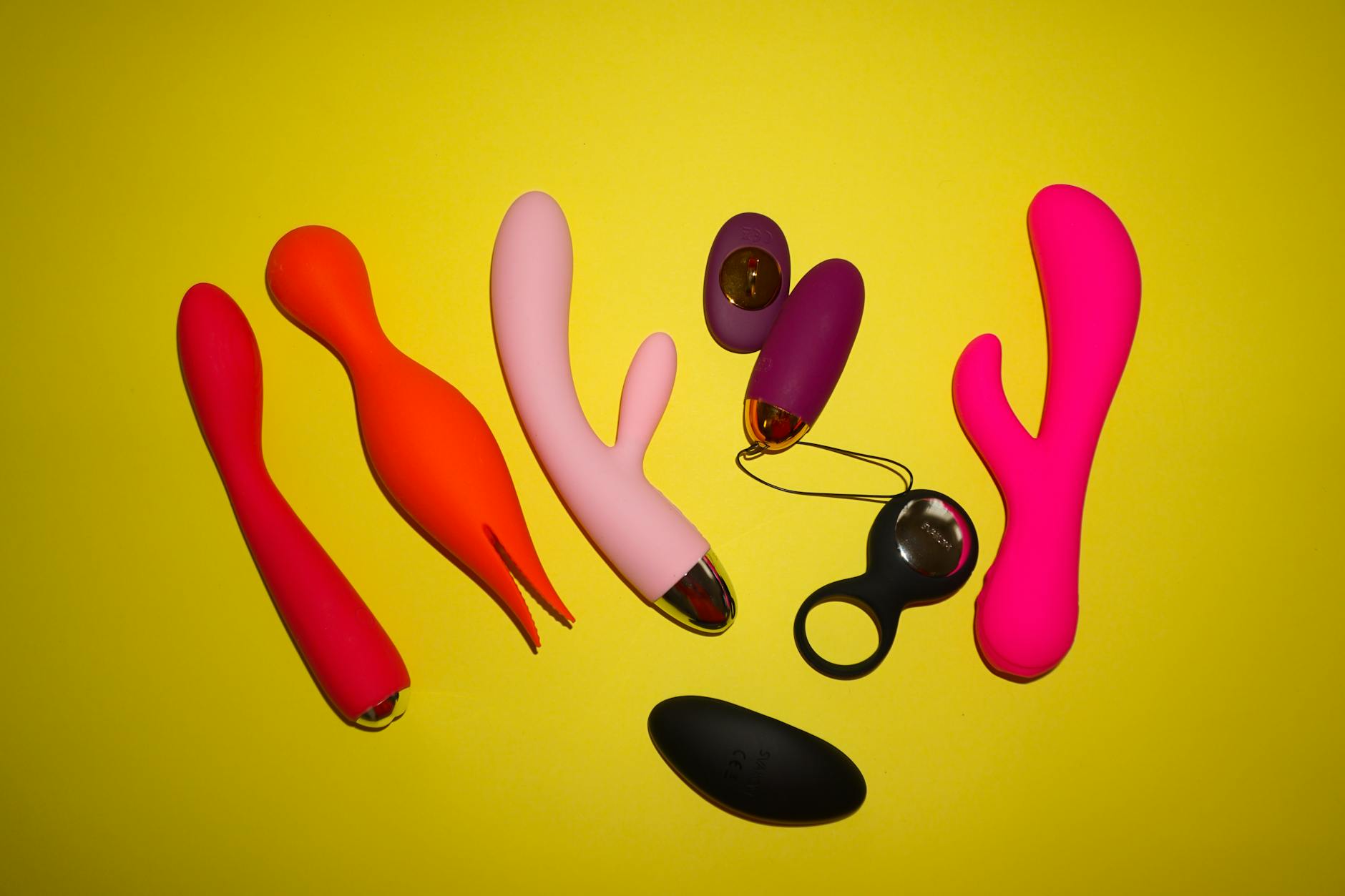
Vaginismus is a reflex, not a choice
Let's start here: vaginismus isn't psychological weakness. It's not something you're doing wrong. It's your pelvic floor muscles involuntarily clenching in response to perceived threat, and the muscles don't get the memo that there's no actual danger. Your body is trying to protect you. The problem is it's protecting you from the thing you want to experience.
This affects more people than you'd think. And here's what almost nobody tells you until you're already struggling: a clitoral vibrator like the Lem can be one of the most valuable tools for rebuilding confidence in your own body, because it completely bypasses the penetration trigger.
What vaginismus actually does to pleasure
When your pelvic floor is locked, a few things happen simultaneously. First, arousal itself becomes harder because the muscle tension blocks the cascade of sensation that normally builds. Second, any anticipation of penetration (even if penetration isn't happening) can trigger the reflex. Third, you spend so much mental energy managing the anxiety that desire gets crowded out entirely.
Most people with vaginismus stop initiating sex altogether. Not because they don't want pleasure, but because the anxiety of "will my body cooperate" becomes exhausting before anything even starts.
A lemon clitoral vibrator changes this because it offers pleasure that is purely, completely yours. No performance, no penetration, no trigger.
Why clitoral stimulation is the gateway back
The clitoris has over 8,000 nerve endings and connects to different neural pathways than the vaginal canal. When you use a lemon vibrator on the clitoral area, you're stimulating pleasure through a route that doesn't activate the vaginismus reflex. This is not a workaround. This is the actual starting point for pelvic floor rehabilitation.
Here's why it matters clinically: pleasure teaches your nervous system that your body is safe. When your pelvic floor experiences pleasure without threat, the involuntary clenching habit begins to soften. The reflex doesn't disappear overnight, but consistent, pressure-free stimulation rewires the association between arousal and panic.
Therapists who specialize in vaginismus often recommend clitoral vibrators as part of the treatment toolkit, alongside pelvic floor physical therapy. The vibrator is doing two jobs at once: offering real pleasure and gradually reconditioning the nervous system response.
How to set yourself up for success
Timing matters more than you'd think. Use your lemon vibrator when you're genuinely relaxed, not when you're trying to "fix" the problem. Pick a time without relationship pressure, without a partner watching, without any expectation except that you deserve pleasure.
Start in a comfortable position. This might be lying on your back with pillows under your hips, or sitting propped up. The goal is physical ease. Your pelvic floor is already hypervigilant. Don't add postural tension on top of that.
Begin with low intensity. The Lem has multiple settings for exactly this reason. Start at pattern 1 or 2. The goal isn't intensity. The goal is teaching your body that stimulation equals safety, not pain.
Use water-based lubricant even though you're only working with external stimulation. Thinner tissue (which is common if you've been managing vaginismus for a while) benefits from extra glide, and the tactile sensation of lubrication can soften the nervous system response all on its own.
The mental part is as important as the physical
Vaginismus has an anxiety component that pure physical tools can't solve alone. As you're using your lemon vibrator, notice what thoughts show up. Are you bracing? Waiting for pain? Checking whether you're "doing it right"?
That's the nervous system doing its job. Acknowledge it without judgment. "I'm noticing tension" is different from "I'm failing." One opens a door. The other slams it.
Some people find it helpful to pair vibrator use with a gentle pelvic floor breathing practice. Inhale for 4 counts, exhale for 6. The longer exhale signals the nervous system that you're safe. This isn't meditation magic. It's physiology. Your vagus nerve responds to breath patterns, and the vagus nerve directly controls pelvic floor tension.
If you have a partner, communication is everything. Many people with vaginismus carry shame about the condition, and shame amplifies the reflex. When you're using a lemon vibrator as part of your own healing, you don't owe your partner real-time updates. But telling them "I'm working on this for me" removes the performance pressure that often makes vaginismus worse.
What changes over time
You won't solve vaginismus with a vibrator alone. But you might solve it much faster with one integrated into your approach. Most people begin noticing shifts within 4-6 weeks of consistent, low-pressure use: decreased anticipatory anxiety, easier arousal, softening of the reflex.
The real win isn't a single moment where vaginismus disappears. It's the gradual return of pleasure that doesn't come with a side of panic. It's discovering what your body feels like when it's genuinely safe.
As you continue working with your lemon vibrator, you might notice you can use it in slightly longer sessions. Patterns might feel less intense than before. The experience itself might shift from "managing a condition" to "enjoying my body," which is the actual goal.
Some people find that after several weeks of clitoral-focused work, vaginal touch becomes less triggering. This isn't automatic. It requires ongoing nervous system support, often through pelvic floor physical therapy or a sex therapist trained in vaginismus. But the vibrator is a powerful piece of that puzzle.
When to bring a partner in
This timing is yours to decide. Some people work alone for weeks before involving a partner. Others integrate a partner much earlier. There's no wrong timeline.
If you do decide to use your lemon vibrator with a partner present, start by keeping the focus on you. Let them watch, or tell them about it afterward. The point isn't to perform pleasure or prove anything. The point is that your body deserves attention and care.
Partners sometimes feel awkward watching someone use a clitoral vibrator. That's normal. A simple conversation removes the strangeness: "I'm using this to help my body heal. I want you to understand that this is for me, not instead of us." Most partners respond well to clarity and inclusion.
Some couples eventually use the lemon vibrator together as part of foreplay, with the penetration pressure removed entirely. This can be deeply connecting because it separates pleasure from performance and lets both people relax.
FAQ
Can a lemon vibrator permanently fix vaginismus?
Not by itself, but it's a critical part of most treatment plans. Vaginismus usually requires a combination approach: pelvic floor physical therapy, nervous system work, and sometimes sex therapy. A clitoral vibrator helps by offering pleasure that doesn't trigger the reflex and by gradually desensitizing the nervous system. Think of it as one essential tool in a multi-tool kit, not the whole solution.
Will using a vibrator make vaginismus worse?
No, not if you use it gently and without pressure to perform. The key difference is that clitoral stimulation doesn't activate the same threat response as penetration. You're working with your nervous system instead of against it. Start low, go slow, and stop if you notice genuine pain (not just sensation). Discomfort and pain are different.
Is it normal for my pelvic floor to feel tight even during pleasure?
Completely normal. Vaginismus teaches your pelvic floor to stay on guard. This habit doesn't flip off because you're having a good time. As you continue using your lemon vibrator, you'll likely notice the holding pattern soften gradually. Some people also benefit from doing pelvic floor relaxation exercises (the opposite of Kegels) while using the vibrator. This trains the muscles to release.
Should I tell my doctor I'm using a vibrator for vaginismus?
Yes, if you're working with a pelvic floor physical therapist or sex therapist. They should know all the tools you're using so they can integrate them into your treatment plan. A good therapist won't be judgmental. In fact, most will see a lemon vibrator as a positive sign that you're taking your healing seriously.
Can I use a lemon vibrator if I have vaginismus and endometriosis at the same time?
Possibly, but with extra caution. Endometriosis can make pelvic pain worse, and the arousal response might feel different. Start with very low intensity and stop immediately if you experience sharp pain. Some people with both conditions find that external clitoral work feels manageable, while others need to work with a pelvic floor specialist first. Don't assume one condition cancels out the other's treatment.
Will my partner feel insecure if I use a lemon vibrator to manage vaginismus?
That depends entirely on how you frame it. Some partners feel relieved that there's a tool that can help you both enjoy intimacy without the pressure of penetration. Others might feel threatened if they interpret it as a replacement. The difference is communication. "I'm using this for my body's health" is very different from "I need this because you're not enough." Clear, honest conversation prevents the second interpretation from taking root.
Your body is trying to help you
The reflex that creates vaginismus isn't a flaw. It's your nervous system doing exactly what it's designed to do: protect you. The solution isn't to override it or shame it. It's to gradually, gently, through consistent pleasure and safety signals, teach your pelvic floor that there's nothing to guard against.
A lemon vibrator is one of the most direct ways to send that message. When you use it, you're not treating a broken body. You're treating a nervous system that needs reassurance. And that reassurance comes through pleasure, on your own terms, at your own pace.
If you're struggling with vaginismus, know that you're not alone and that healing is possible. Work with a pelvic floor physical therapist, a sex therapist, or both. Use your lemon vibrator as part of that process. And most importantly, stop waiting for permission to prioritize your pleasure. Your body deserves that.
If you'd like to explore your options or talk through your specific situation, reach out to our team. We're here to answer questions about tools that support your healing.