The Hardest Conversation in a Bedroom
Let's be honest. After infidelity, sex feels like a minefield. Your body remembers betrayal. Your mind spins with questions. Your partner either feels shame, defensiveness, or both. Desire doesn't just vanish because your relationship fractured. It gets tangled up with anger, grief, and the primal fear that it will happen again.
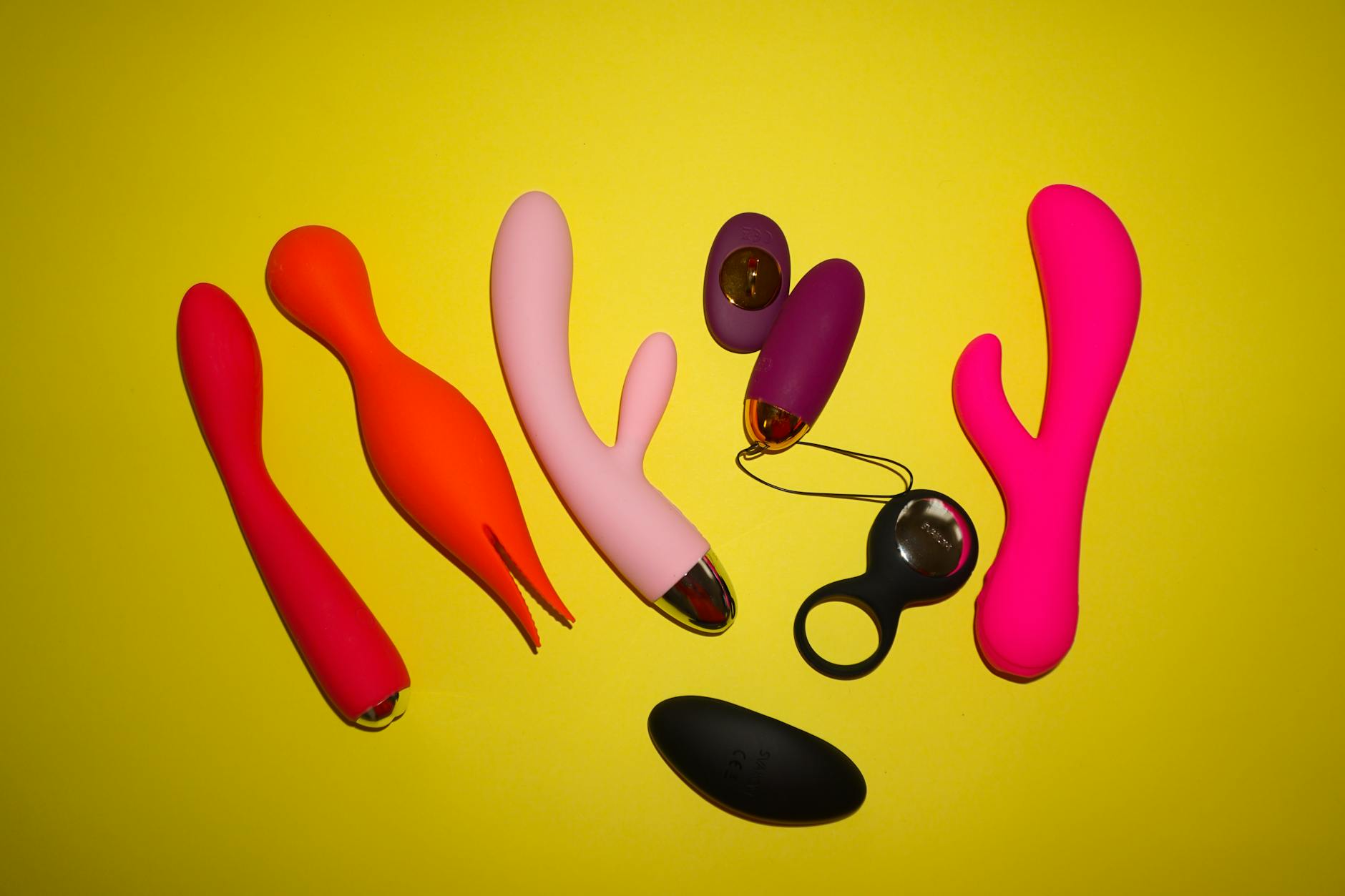
This is where most couples get stuck. They wait for desire to magically reappear, as if intimacy will somehow auto-correct once enough time passes. It won't. Rebuilding intimacy after infidelity is active work, not passive healing. And sometimes, introducing a new tool like a lemon vibrator can shift the dynamic from "we're broken" to "we're curious about how to reconnect."
I've worked with couples for decades who've found their way back from infidelity. The ones who succeed aren't the ones who pretend nothing happened. They're the ones who get intentional about pleasure again.
Why Infidelity Destroys Sexual Connection
Infidelity isn't just an emotional wound. It's a nervous system injury. When your partner betrays you, your body registers it as a threat to your safety. Your vagus nerve tightens. Your amygdala goes into overdrive. You can't relax during sex because relaxation feels like vulnerability, and vulnerability is what got you here.
Meanwhile, the partner who had the affair often carries shame so heavy that physical touch feels like punishment. They either withdraw entirely or come forward with forced enthusiasm that feels hollow. Neither person can access genuine desire.
The Gottman Institute, which studies couples for decades, finds that infidelity survivors who do rebuild often describe a turning point: a moment where they chose to reclaim pleasure together, rather than letting the betrayal own the bedroom. That moment rarely happens by accident.
Why a Lemon Vibrator Helps Specifically
A clitoral vibrator like the Lemon is different from penetrative toys or traditional wands. Its suction technology creates a sensation that feels almost novelistic, which matters when you're trying to break an old neural pathway of fear and resentment.
Here's what makes it useful in this context:
It's not about him. Or her. Or them. When you introduce a lemon vibrator, you're saying: this is about your pleasure, not a substitute for me or a way to fix me. For the betrayed partner, that's powerful. It's permission to have an orgasm that has nothing to do with the person who hurt you.
It changes the sensory load. When intimacy feels tense, your body is hypervigilant. It's searching for threats. A new sensation like a lemon clitoral vibrator can interrupt that scan. It gives your nervous system something genuinely novel to process, which can lower defensive guards temporarily.
It invites collaboration. Unlike masturbation alone, using a lemon vibrator with a partner present creates a third thing in the room: the toy. That third thing becomes a conversation starter that isn't about blame. It's about "what feels good right now."
The Three Phases of Rebuilding With a Lemon Vibrator
Phase One: Solo Exploration (Weeks 1-4)
Don't start with your partner watching. That's too much witness too soon. The betrayed partner needs to rediscover pleasure without an audience, especially not the person whose betrayal created the wound.
If you're the one who was betrayed: use a lemon vibrator alone first. Spend time learning what sensation returns your nervous system to baseline. You're not trying to have a transcendent orgasm. You're retraining your body that pleasure is possible, that your desire doesn't belong to your partner's actions.
Start on a low setting (settings 1-3 on most clitoral vibrators). Let yourself spend 15-20 minutes just receiving sensation without a goal. This isn't masturbation yet. It's nervous system recalibration.
If you're the partner who had the affair: this is the phase where you stop inserting yourself into her pleasure. You sit with the shame instead of rushing past it. You let her have something that isn't about earning back trust through performance. That's harder than it sounds.
Phase Two: Witnessing (Weeks 5-8)
Once solo use feels settled, the betrayed partner can invite their partner to be in the room. Not to touch. Not to participate. Just to witness.
This is genuinely vulnerable for both people. The betrayed partner is exposing desire in front of the person who wounded them. The other person is watching pleasure they didn't create, which can feel like relief or like deeper shame depending on where they're at emotionally.
I often suggest that the watching partner keep their hands busy. Hold the lube. Adjust the lighting. Make tea after. Anything except standing there performing interest or checking out entirely.
The conversation after matters more than the moment itself. Don't ask "was that good?" Ask "what did that feel like to watch?" or "did you notice anything about your own feelings?" This keeps the focus on what's actually happening between you, not on performance metrics.
When Both Partners Are Ready to Participate
Phase three isn't about the lemon vibrator creating a magic fix. It's about using it as a bridge back to touch.
Once both partners have processed some of the big feelings separately, using a lemon vibrator together can feel like reclaiming shared pleasure without the weight of "saving the marriage." You're not having sex to prove you're healed. You're using a toy because it feels good, which is the only reason anyone should use a toy.
Some couples find that the betrayed partner controls the vibrator while the other partner holds them. Some prefer to use it solo while their partner provides other touch (hands, breath, presence). There's no right shape.
What matters is that you're building new neural pathways around touch. New memories that don't loop back to betrayal.
The Conversation You Actually Need to Have First
None of this works if you haven't named the actual problem. You can't use a lemon vibrator to skip over grief and rebuild genuine trust. The vibrator won't fix broken communication or unresolved anger.
Before you introduce any toy, you need to know:
Why did the infidelity happen? Not "how were you at the party" but the deeper truth. Was there emotional distance first? Unmet needs? A partnership breakdown? Or just impulse and bad judgment? Different answers require different repair work.
What does "rebuilt intimacy" actually mean to both of you? For some couples, it means returning to something resembling the before. For others, it means building something entirely new because the old structure was always fragile.
Can you access curiosity about each other's pleasure, or are you still in survival mode? If you're still cycling through betrayal stories and defensive arguments, a lemon vibrator isn't the right tool yet. You need a therapist first.
When to Seek Professional Help Before Reintroducing Touch
Honestly, most couples should see a couples' therapist before getting here at all. I'm not saying that to be defensive of my profession. I'm saying it because infidelity is a systems issue. Both people contributed to the conditions that made it possible, even if only one person made the choice to act.
If you're experiencing:
Recurring rage or intrusive images that won't resolve. If you're the betrayed partner and six months in you're still experiencing trauma responses, a vibrator won't help. You might need EMDR or trauma-informed therapy first.
Deep distrust about whether they're being honest with you now. If you're checking their phone or can't believe their explanation, using a lemon vibrator together is premature. You need to rebuild the infrastructure of trust first.
Mismatched timelines for forgiveness. If one person is ready to move on and the other isn't, using a toy to "fix it" creates resentment instead of intimacy. You need to align on the work first.
A couples therapist trained in infidelity recovery (especially someone trained in the Gottman Method or Emotionally Focused Therapy) can help you navigate this before pleasure re-enters the picture.
The Specific Steps When You're Both Ready
Start in daylight, not in darkness. You want to stay grounded, not retreated into fantasy. Bright light keeps you connected to the person in the room, not the story in your head.
Use water-based lubricant. Arousal might be slower while you're rebuilding trust. Lube removes friction and means you're not forcing your body to something it isn't ready for.
Talk while you're using it. "This feels good," "I like this," "I'm thinking about you." Simple words that keep you anchored to each other instead of performing solo pleasure with an audience.
Start at settings 1-3. A lemon clitoral vibrator is powerful. If you're nervous or your body is protective, lower intensity is better. You can always increase.
Plan for a conversation after. Not criticism. Not analysis. Just "what do you want to do next time?" or "I felt you present with me during that, which mattered." Something that names the connection.
What a Lemon Vibrator Isn't Going to Do
Let me be clear: a clitoral vibrator won't erase the infidelity. It won't restore lost trust. It won't rebuild the emotional intimacy that infidelity fractures. You still have to do the hard work of understanding what broke your partnership and whether both people actually want to fix it.
What a lemon vibrator can do is create a new context for touch, one that isn't haunted by the past moment. It's a tool that says "we're willing to reclaim pleasure together," which is different from "we're fine now."
You need both. You need the therapy work and the pleasure work. You need someone who understands relational trauma and you need a clitoral vibrator that helps your nervous system remember it's safe to feel good.
People Also Ask
How long after infidelity should we wait before using a vibrator together?
There's no timeline that works for everyone, but I generally suggest waiting until you've had at least a handful of therapy sessions and you're not in acute crisis mode. If you're still having daily arguments about the betrayal, you're not ready. If you can go a day or two without bringing it up, you're getting closer. Use a vibrator when you're both curious about the future, not when you're trying to skip over the pain.
What if my partner refuses to engage with the vibrator at all?
That's information. It might mean they're too ashamed to be present with your pleasure. It might mean they're not actually committed to rebuilding. It might mean they're not ready. Don't pressure them. Instead, ask what would feel safe for them. Sometimes the partner who had the affair needs to sit with discomfort as part of their repair work. Sometimes they need something different entirely. The vibrator is one tool, not the only one.
Can using a lemon vibrator with my partner after infidelity actually rebuild intimacy, or is it fake?
It depends what you mean by "real." You're not faking pleasure if you genuinely feel it. You are creating new neural pathways around touch with your partner, which is real neurologically. But it's not the same as addressing the underlying breach of trust. Use the vibrator alongside actual emotional repair work, not instead of it. That's when it becomes real.
Is it weird to use a toy with the person who hurt me?
No. It's actually a sign of courage. You're choosing to stay present with someone who wounded you and saying "I still want to explore pleasure with you." That's not weird. That's brave. Just make sure you're doing it because you actually want to, not because you think it will fix things or prove you're healed.
What if I can't orgasm with them in the room, even with a vibrator?
Your body knows something your mind might not be ready to admit. Arousal requires some level of felt safety, and if you can't access that even with a tool that normally works for you, your nervous system is protecting you. That's not failure. That's your body saying the emotional work isn't done yet. Keep going to therapy. The vibrator will work when you're actually ready.
Should we tell our therapist we're using a vibrator together?
Yes, absolutely. A good couples therapist will want to know what you're doing to rebuild intimacy. They might ask follow-up questions about how it feels, whether you're actually communicating during sex, or whether you're using it to avoid harder conversations. It's part of the healing process, not something to hide.
The Rebuilding Ahead
Infidelity doesn't just break the relationship. It breaks your belief that the person you chose actually chose you. Rebuilding intimacy after that is one of the hardest things a couple can do.
A lemon vibrator won't do it for you. But it can create moments where pleasure feels possible again, where your body remembers that sensation and vulnerability don't have to equal danger. And sometimes those moments are exactly where couples learn that they actually do want to stay.
If you're rebuilding, you deserve tools that help. You also deserve a therapist who gets it. And you deserve honesty about whether this relationship is actually worth the work.
If it is, start here. Slow. Curious. Together.