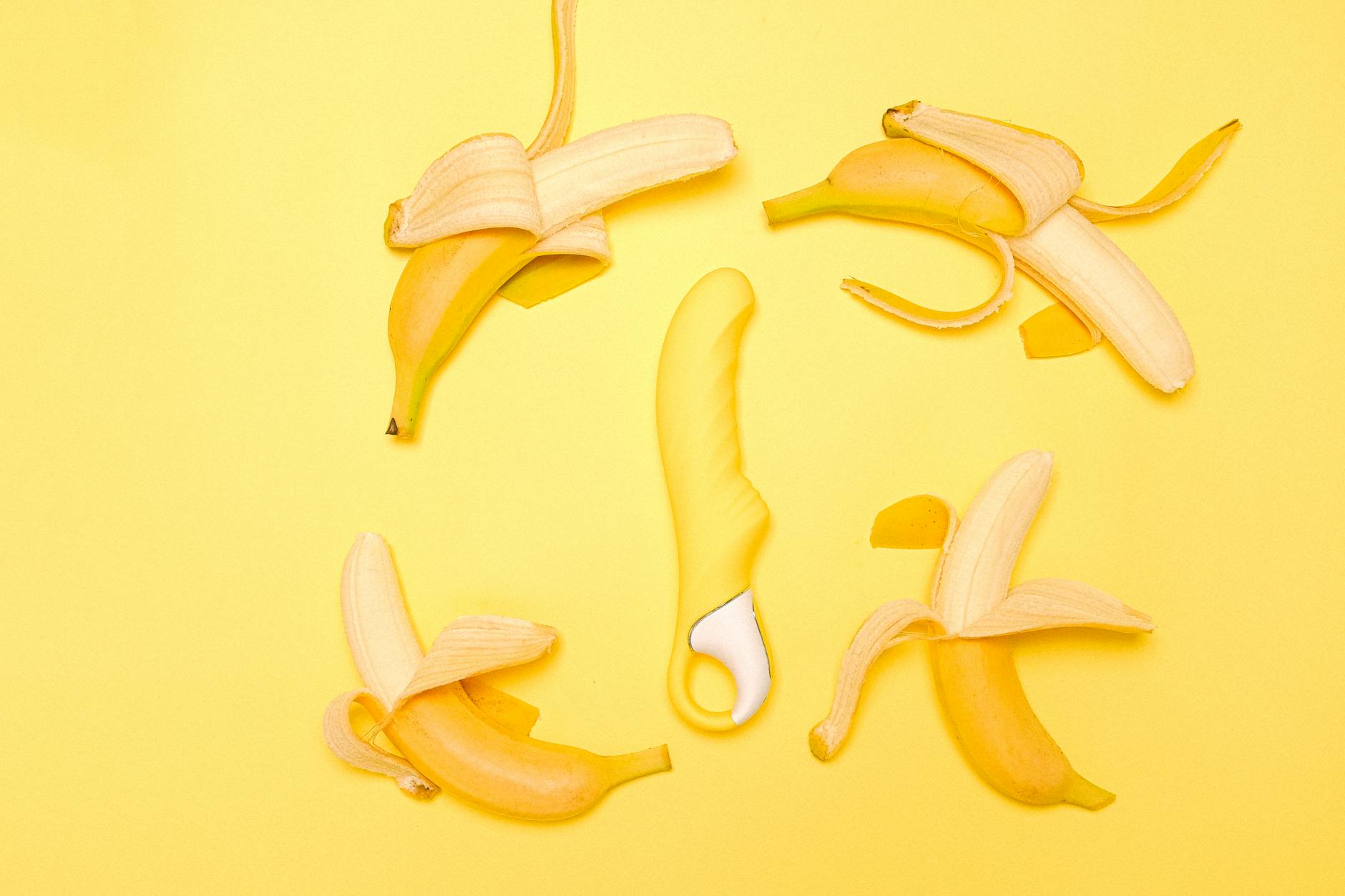
Let's talk about what's actually happening
Orgasms change. Not disappear, not fail. Change. And if you've been having orgasms for decades, you'll absolutely notice it. The peak feels less sharp. The whole-body rush quiets down. You might even wonder if you're still capable of the kind of intense orgasm you remember from your twenties or thirties.
Here's what I need you to know before we go further: that change is real, but it's not permanent, and it's not irreversible. It's also not a sign that your body is broken.
Why orgasm intensity shifts as you age
Three mechanisms are at work. First, blood flow patterns change. Orgasm depends on blood rushing to the genitals and engulfing the nerve endings that signal pleasure to your brain. With age and hormonal changes, that vascular response can slow. Second, the pelvic floor muscles lose some tone and elasticity, which means the muscular contractions that create orgasmic sensation feel less pronounced. Third, nerve sensitivity itself can diminish slightly. This isn't universal or inevitable, but it's common enough that it shows up in the data.
The good news is brutally simple: sensation can be retrained. Your nerve endings don't disappear. Your capacity for pleasure is still there. You just need a device that meets your tissue where it is right now, not where it was twenty years ago.
How lemon vibrators work differently for aging bodies
A clitoral vibrator like the Lem uses suction and gentle pulsing rather than direct vibration. Here's why that matters. Direct vibration, especially on the highest settings, can feel muted if your sensory threshold has shifted. Suction, by contrast, works through pressure and release. It engages the clitoral structures more broadly than a simple vibrator can.
This is crucial: suction stimulation activates nerve pathways that direct vibration might miss entirely. If your orgasms have become quieter, it's often because the typical stimulation pattern your body learned isn't triggering the full nerve network anymore. A lemon sucker, or suction device, essentially bypasses the diminished pathway and activates fresh ones.
Starting low and rebuilding sensitivity
When orgasm intensity has dropped, the instinct is usually to grab the highest setting and go harder. Resist that. You're not trying to brute-force an orgasm. You're retraining sensation.
Start on setting 1 or 2 with any clitoral vibrator, especially a lemon vibrator designed for suction. Spend ten to fifteen minutes at that level. Your job isn't to finish. Your job is to notice what you're feeling. Are there spots around the clitoris that feel more alive than others? Does one side respond differently than the other? Can you feel the pulsing deep inside, or is it more surface-level?
This slow rebuild does something counterintuitive: it often makes orgasms more intense, not less. You're training your nervous system to stay attentive to subtler sensations, which paradoxically heightens the eventual peak. This is the opposite of chasing bigger and bigger stimulation until nothing works anymore.
The role of patience and time
Orgasm intensity doesn't snap back in one session. Expect two to three weeks of consistent exploration before you notice a shift. I'm not saying this because I'm being gentle. I'm saying it because that's what the data shows, and false expectations wreck motivation.
During those weeks, your neuroplasticity is literally rewiring your pleasure response. The nerves are creating new connections based on the input they're receiving. If the input is gentle and attentive, the response becomes sharper. If you're forcing intensity, you're essentially training your body to need that force, which deepens the problem.
Lubrication becomes more important, not less
Again, this is true. Tissues thin slightly with age, especially if hormonal changes are in play. That doesn't mean you're broken. It means lubrication stops being optional and becomes foundational.
Water-based lube is your friend. Apply it before you start, reapply halfway through if needed. A good lube shouldn't feel clinical or cold. It should feel like a natural extension of foreplay. If your current lube feels like that, you're good. If it feels sticky or uncomfortable, try a different brand. The right one exists.
Why does this matter for orgasm intensity? Because friction and discomfort pull your attention out of pleasure and into logistics. With smooth, easy sensation, your nervous system can focus entirely on building arousal.
Building arousal first, orgasm second
Most orgasm intensity problems aren't really about orgasms. They're about arousal. If arousal is shallow or rushed, the orgasm that follows will be shallow too. This is especially true as you age, because your arousal takes longer to build and is more fragile once it starts.
Before you use your lemon clitoral vibrator, give yourself twenty to thirty minutes of foreplay. Solo or with a partner. Touch your breasts. Explore your body without the vibrator. Read something that turns you on. Watch something that resonates. The vibrator isn't foreplay. It's the finale.
When your arousal is genuinely building, when you feel that shift from relaxed to engaged, then you introduce the toy. You'll notice the difference immediately. The vibrator feels stronger, richer, more complex. Your body will respond to it differently because you've already primed the system.
When sensation feels completely flat
If you're exploring with a lemon vibrator and feeling nothing at all, don't panic. That's actually fixable, and usually faster than you'd expect.
First, make sure you're not numb from medication. Some blood pressure drugs, antihistamines, and SSRIs can flatten sensation. If that's you, talk to your doctor about timing or alternatives. You might be able to take the medication at a different time of day, or switch to something that doesn't carry the same side effect.
Second, check your arousal baseline. Are you genuinely turned on, or are you trying to use the toy to create arousal from scratch? That's backward. Sensation has to meet arousal halfway.
Third, try switching settings or patterns. Sometimes a rhythm that didn't work yesterday becomes magnetic tomorrow. Your body responds to novelty.
Solo exploration as the foundation
If you're in a relationship and orgasm intensity has dropped, the impulse is often to assume the problem is relational. Sometimes it is. Often it's just a physical recalibration that's easier to explore alone.
Solo sessions with a clitoral vibrator like the Lem are where you relearn your body's language. You learn what setting works now, which patterns create buildup, which ones actually trigger release. You rebuild the internal map. Then, when you bring that knowledge back to partnered sex, the whole dynamic shifts.
This isn't separate from partnership. It's foundational to it. You can't teach someone else how to touch you if you're not sure how to touch yourself.
When to bring your partner in
Once you've spent a few weeks exploring and rebuilding sensation on your own, bring your partner into the loop. Not to "fix" you. To explore together.
Show them how you're using the toy. Let them hold it. Let them try different patterns while you give feedback. The nervous system responds differently to touch when there's trust and intimacy. What felt muted solo might feel electric with a partner who's genuinely interested in your pleasure.
This also does something important: it reassures your partner that you're not losing interest. Declining orgasm intensity can trigger anxiety in both people. When you're actively exploring and rebuilding, you're signaling that pleasure still matters to you, and you're willing to invest in it. That shift in energy alone can start to turn the tide.
The realistic timeline
Orgasm intensity usually starts to shift back within three to four weeks of consistent exploration with a clitoral vibrator. By eight weeks, most people report a clear change. Some people feel a difference in two weeks. Some take longer. Your nervous system has its own timeline.
The key is consistency, not intensity. Using a lemon vibrator for fifteen minutes three times a week will outpace sporadic hour-long sessions. Your nervous system learns through repetition and routine, not force.
What to expect as you rebuild
Early orgasms might feel sharper but shorter. That's normal and good. Your body is remembering how to concentrate sensation. As weeks pass, they usually become longer and more complex. Some people report that rebuilt orgasms feel different from how they remember. Not worse. Different. Deeper, sometimes. More localized in one spot instead of radiating. Your body's pleasure language evolves.
Accept that evolution instead of mourning the past. Your orgasms at forty or fifty or sixty aren't supposed to feel like your orgasms at twenty-five. They're not failing. They're maturing.
FAQ
How long does it take for a lemon vibrator to help restore orgasm intensity?
Most people notice a shift within three to four weeks of consistent use, three times per week. Some feel a difference sooner. It depends on your baseline sensitivity, hormone levels, and how much time you dedicate to rebuilding. Patience is the variable you control most directly.
Can orgasm intensity come back completely, or is it just different now?
It can absolutely come back. "Coming back" doesn't mean identical to how it felt decades ago. Your body has changed. But orgasm intensity is trainable. Your nerve endings are still there. Sensation can be retrained. Most people report reaching intensities they thought were gone, often within two to three months of deliberate exploration.
Is reduced orgasm intensity a sign that I need hormone therapy?
Not necessarily. Hormonal changes do affect sensation, but they're one variable among many. Before jumping to hormone therapy, spend a month rebuilding with a tool like a lemon clitoral vibrator. If sensation doesn't improve, then it's worth talking to a doctor about your hormone levels. But often the rebuild works on its own.
Should I use a clitoral vibrator like the Lem if orgasms feel almost numb?
Yes, especially if they feel numb. Numbness usually means the typical stimulation pattern isn't activating your nerve endings anymore. A suction-based clitoral vibrator engages different nerves and often reawakens sensation that felt dead. Start low and give it time.
What if my partner's orgasms are less intense but they don't want to use a vibrator?
That's a separate conversation from pleasure itself. The vibrator is a tool, not a requirement. Some people rebuild intensity through other methods: longer foreplay, different positions, different timing in the cycle. The core principle is the same. Rebuild arousal first. Patience second. Give the body time to recalibrate.
Can I use a lemon sexual toy alongside hormone therapy?
Absolutely. A lemon adult toy and hormone therapy work through different mechanisms. One is mechanical and neurological. One is biochemical. Together, they often accelerate the return of sensation more than either alone. If you're considering hormone therapy, mention your exploration with a vibrator so your doctor has the full picture.
You're not losing your pleasure. You're evolving it.
Orgasm intensity changes with age. That's biology, not failure. But it's also not permanent. With the right approach, the right tools, and enough patience, most people recover not just sensation but a richer, more complex experience of their own pleasure. A lemon vibrator, or clitoral vibrator designed for suction, can be the bridge back. Start low. Give yourself time. Notice what shifts. The rest builds from there.