
How to Use a Lemon Vibrator When External Sensation Feels Less Intense With Age
Here's what nobody tells you about aging and pleasure: reduced sensation isn't a switch that flips off. It's a slow dimmer that requires different tools, not resignation.
Over the years, skin loses elasticity, blood flow shifts, and nerve endings become less responsive to light touch. What this actually means is that the vibrations you loved at 25 might feel barely noticeable at 55. It feels like your body has betrayed you. It hasn't. Your body has simply changed the rules, and you need to learn to play by them.
The good news is that sensation can be reawakened. The better news is that lemon vibrators, specifically their suction mechanism, are uniquely designed to do exactly that.
Why sensation naturally decreases over time
Let's start with the physiology, because understanding what's happening makes the solution feel less like a hack and more like informed adaptation.
Your skin contains roughly 1,000 sensory receptors per square inch. With age, these receptors don't disappear, but their responsiveness decreases. Collagen production slows, meaning the tissue loses some of its fine-tuning ability to transmit sensation. Blood flow becomes less efficient, so the micro-engorgement that used to happen instantly now takes longer and feels gentler. Nerve sensitivity, particularly to light pressure, dulls by about 1 percent per year after 30.
This isn't dysfunction. This is your body operating at a different frequency. The problem arises when you're still using the same tools. A traditional vibrator that worked perfectly at 40 might deliver 60 percent of the original sensation at 60, not because you've done anything wrong, but because the mechanism of stimulation hasn't evolved with you.
That's where the lemon vibrator changes the game.
How suction creates sensation where direct vibration loses ground
Traditional vibrators rely on vibration intensity and speed. They're moving fast against your skin. For young, sensitive tissue with responsive nerve endings, this is perfect. But as sensation decreases, you need a different stimulus to activate those same nerve pathways.
Suction doesn't rely on speed or pressure intensity. Instead, it creates a seal and a gentle pulling sensation that stimulates deeper nerve layers. Think of it this way. Vibration is like tapping. Suction is like drawing. The neural pathways that respond to drawing sensation don't diminish at the same rate as those responding to taps.
A lemon sucker, like the Nancy Lem Vibrator, works by creating a rhythmic suction pattern that mimics oral sensation. This isn't purely mechanical stimulation. It's a different sensory input altogether, one that bypasses some of the sensation loss you're experiencing with direct vibration.
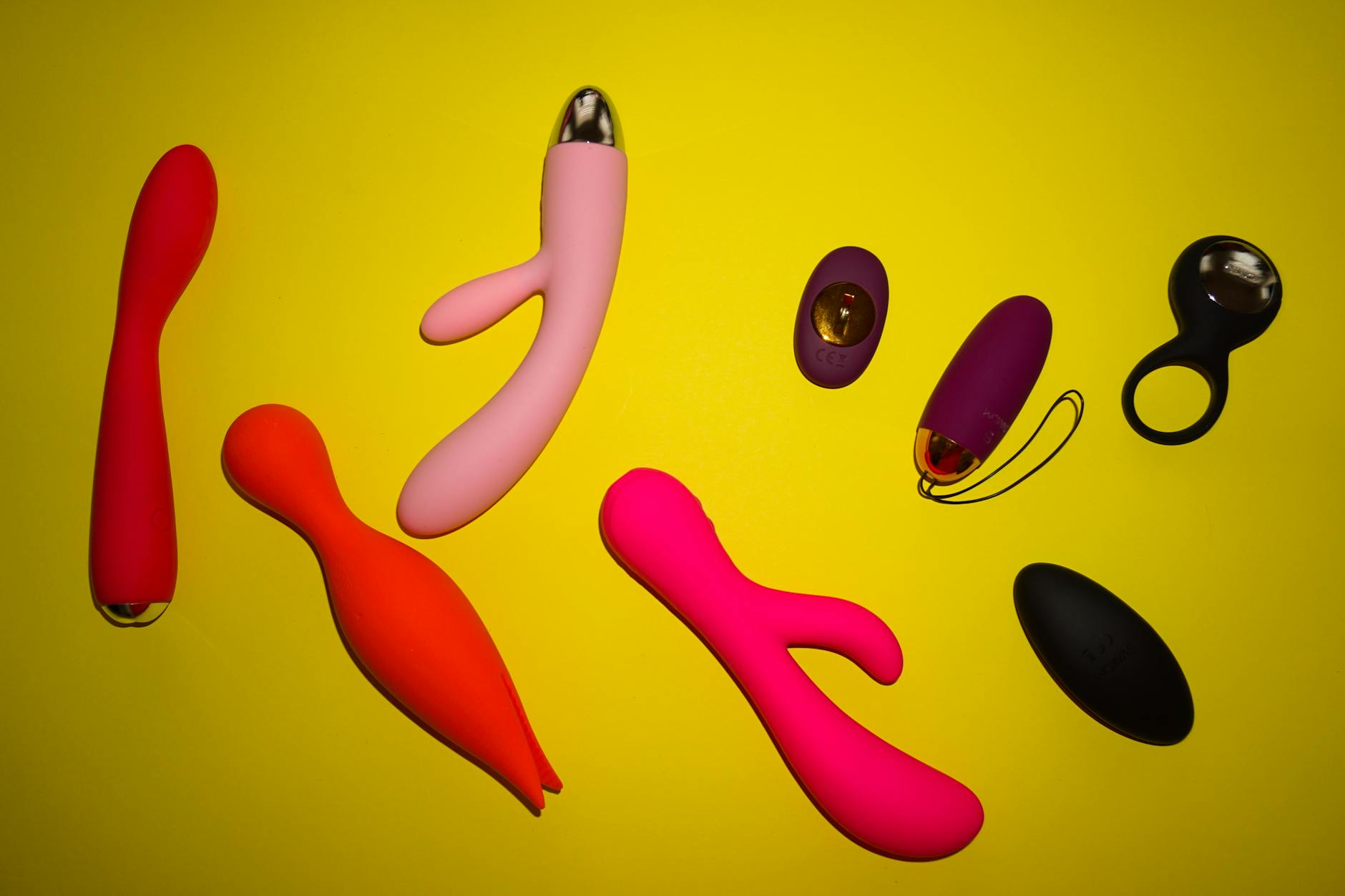
Photo by FounderTips . on Pexels
The starting point: finding your baseline sensation
Before you reach for a lemon vibrator, spend one solo session understanding where your sensation currently sits. This sounds tedious, but it's essential.
Set aside 20 minutes. Use your hand or fingers to stimulate yourself, just like you have for years. Notice what pressure feels good. Notice how long it takes to feel aroused. Notice if direct touch feels numb, or if it requires more pressure than it used to. Pay attention to where you feel sensation most clearly. Most people find that external sensation concentrates more in certain spots than others as they age.
Don't judge this baseline. You're collecting data, not evaluating yourself. Once you know what direct touch delivers, you'll have a reference point for how much the suction mechanism of a lemon clitoral vibrator amplifies sensation beyond that.
How to introduce a lemon vibrator into reduced-sensation pleasure
The mistake most people make is jumping straight to the highest suction setting. That's like going from hand stimulation to a jackhammer.
Start on pattern one or two. The lowest settings on a lemon vibrator still deliver suction strength that far exceeds what your hand can create. You're not looking for intensity right away. You're looking for novelty. You're looking for sensation that bypasses the reduced responsiveness in direct touch.
Position the suction cup directly over your clitoris. If the fit isn't perfect because of individual anatomy, angle it slightly. The goal is a gentle seal, not a vacuum. Apply the device and let the pattern work for 30 seconds at pattern one. Then stop. Feel the sensation. It should feel different from direct vibration. Different doesn't mean better yet. Different means you're activating different nerve endings.
Gradually increase the pattern over the course of several sessions. Move from pattern two to three only after pattern two has stopped feeling novel. Let your body adjust. This isn't about rushing to orgasm. This is about recalibrating your nervous system to respond to a type of stimulation that actually gets through the sensation loss you've been experiencing.
Building arousal when sensation is sluggish
Reduced sensation often comes paired with slower arousal. You might need 20 minutes to build what used to take five. This is normal and extremely common. It's also fixable.
Use the lemon vibrator as part of a longer warm-up, not as the main event. Begin with your hand or your partner's touch. Let that initial phase take however long it needs. Then, once you feel a baseline of arousal building, introduce the suction pattern. The combination of pre-arousal plus the novel stimulus of suction creates a compound effect.
If you're with a partner, this is worth explaining beforehand. "I need more time to warm up now, and the sensation of suction helps bring me fully online." That framing shifts the dynamic from "something's wrong" to "here's what works for me now."
The positioning factor: angle matters more as sensation decreases
When you had sharp, responsive sensation everywhere, positioning was flexible. Now it's more critical.
As you age, sensitivity concentrates in specific zones. For many people, the upper clitoris or the clitoral glans becomes the most responsive area. Spend your first few solo sessions mapping where you feel sensation most acutely. Then position the lemon suction cup directly over that zone. This isn't about repositioning constantly. It's about spending the first minute finding the angle where sensation is sharpest, then staying there while you build.
If you're using a lemon vibrator with a partner, communicate this. "The most sensation is here" is vastly more useful than "adjust it around and see." You're not being demanding. You're being efficient with the time and attention you're both investing.
Duration and realistic timelines
Here's a hard truth: as sensation decreases, orgasm often takes longer to reach. You might have achieved orgasm in eight minutes at 45. At 65, it might take 20 or 25. This is not failure. This is biology.
Budget time accordingly. If you're trying to reach orgasm in five minutes because you're in a rush, you've already lost. Your body isn't failing. Your timeline is. Use the lemon vibrator in sessions where you have at least 20 minutes, ideally 30.
Many people find that the extended session, paradoxically, feels better than the quick release ever did. The buildup is longer, the eventual release is deeper, and the post-orgasm sensation lasts longer too. You're not trading quality for duration. You're trading speed for depth.
When to combine the lemon vibrator with lubrication
As you age, tissue naturally changes. It's thinner and often less lubricated. This isn't just about comfort. Adequate lubrication actually improves sensation because there's less friction and more direct contact.
Use a water-based lubricant before introducing the lemon vibrator. Apply it around and over the clitoris. The lubrication serves two purposes. First, it allows the suction cup to create a better seal. Second, it makes the sensation feel smoother and less raw.
Reapply lubrication every five to ten minutes if you're taking longer to reach orgasm. There's no prize for "natural" lubrication at this stage of life. You're not degrading yourself by using additional lubrication. You're using a tool that makes the experience better.
Solo versus partnered use when sensation is reduced
If you're exploring a lemon suction vibrator, solo play first is genuinely the best approach.
When you're alone, you can spend time understanding how different suction patterns feel. You can adjust positioning without worrying about your partner's comfort or impatience. You can take 30 minutes if that's what the day requires. You can fail silently, without performance pressure, and try again.
Once you're comfortable, bringing a lemon vibrator into partnered intimacy can actually deepen things. Your partner gets to watch you discover renewed sensation. They get to understand what actually works for you now. If your partner's sensation preferences differ from yours, using a shared tool like a lemon vibrator can become the bridge between what you each enjoy.
Just communicate beforehand. "I want to try this because direct vibration doesn't deliver what it used to. I think this will help me feel more pleasure, and I'd like you to be part of that." That's not a criticism of your partner or of your body. That's an evolution.
The mental shift that makes it work
The deepest challenge with reduced sensation isn't physiological. It's psychological.
After decades of your body working one way, feeling sensation decline feels like loss. Reaching for a new tool can feel like admitting defeat, or like you're somehow less sexual now. You're not. You're just operating with different hardware and choosing smarter software.
The lemon vibrator isn't a sign that your body has failed. It's evidence that you're thoughtful enough to adapt. Most people feel shame about reduced sensation and just accept diminished pleasure. You're choosing to reclaim it. That's not resignation. That's power.
Troubleshooting: when the lemon vibrator isn't working yet
If you've tried a lemon clitoral vibrator at pattern three and still aren't feeling much, don't assume it's broken or that you're broken.
First: patience. You might need three or four sessions before your nervous system recalibrates to this type of input. You've been expecting vibration for decades. Suction is new information.
Second: positioning. Shift the suction cup slightly. Even a quarter-inch adjustment can change everything.
Third: context. Are you stressed? Distracted? On medications that affect sensation? Are you trying to feel sensation in a way that expects instant results? Most of these variables are fixable with time and intention.
If after six or seven sessions the lemon vibrator still isn't resonating, that's useful information too. Different bodies respond to different stimuli. But give it at least that long before deciding.
A different kind of pleasure at a different stage
Reduced external sensation doesn't end your sexual life. It changes the shape of it.
Many people in their sixties and seventies report that pleasure feels less urgent, more exploratory, and deeper than it did in earlier decades. The speed is gone, but the satisfaction is often richer. You're not chasing orgasm. You're experiencing it.
A lemon vibrator fits into this shift perfectly. It's not about speed or intensity. It's about reawakening sensation in a way that makes sense for your body right now. Your pleasure isn't behind you. It's just asking you to show up differently.
Frequently Asked Questions
How long does it take to feel results with a lemon vibrator when sensation is reduced?
Most people notice a clear difference in sensation within three to four sessions. Some feel it immediately. If you're not noticing change after six sessions, try adjusting positioning or suction pattern, or reach out to our team at /contact for personalized guidance.
Can reduced sensation come back completely if I use a lemon vibrator regularly?
Sensation won't return to exactly what it was at 25. But consistent use of suction-based stimulation can improve responsiveness over time. Some people report that after six to eight weeks of regular use, sensation feels noticeably sharper than baseline.
Is a lemon vibrator better than other vibrators for aging bodies?
For reduced sensation specifically, yes. Suction activates different nerve pathways than direct vibration. That doesn't make it universally better. It makes it differently effective. Some people benefit from combining both approaches.
Does using a lemon vibrator make sensation even duller over time?
No. Sensation doesn't dull from use. It actually becomes more responsive with attention and stimulation. Think of it like exercise for your nerve endings.
Should my partner use the lemon vibrator on me, or should I use it myself?
Start solo. Once you understand the sensations and positioning, partnered use can be wonderful. But self-directed exploration gives you more control and faster learning.
What if I'm taking medications that affect sensation?
Medications can absolutely compound age-related sensation loss. If you're on antidepressants, blood pressure medications, or other drugs that affect sensation, a lemon vibrator can still help, but your baseline might be different. Talk to your doctor if medication-related sensation loss is severe.
Your pleasure has evolved, not ended. The right tool, applied with patience and intention, can unlock sensation you thought was gone. That's not magic. That's neurology working in your favor.