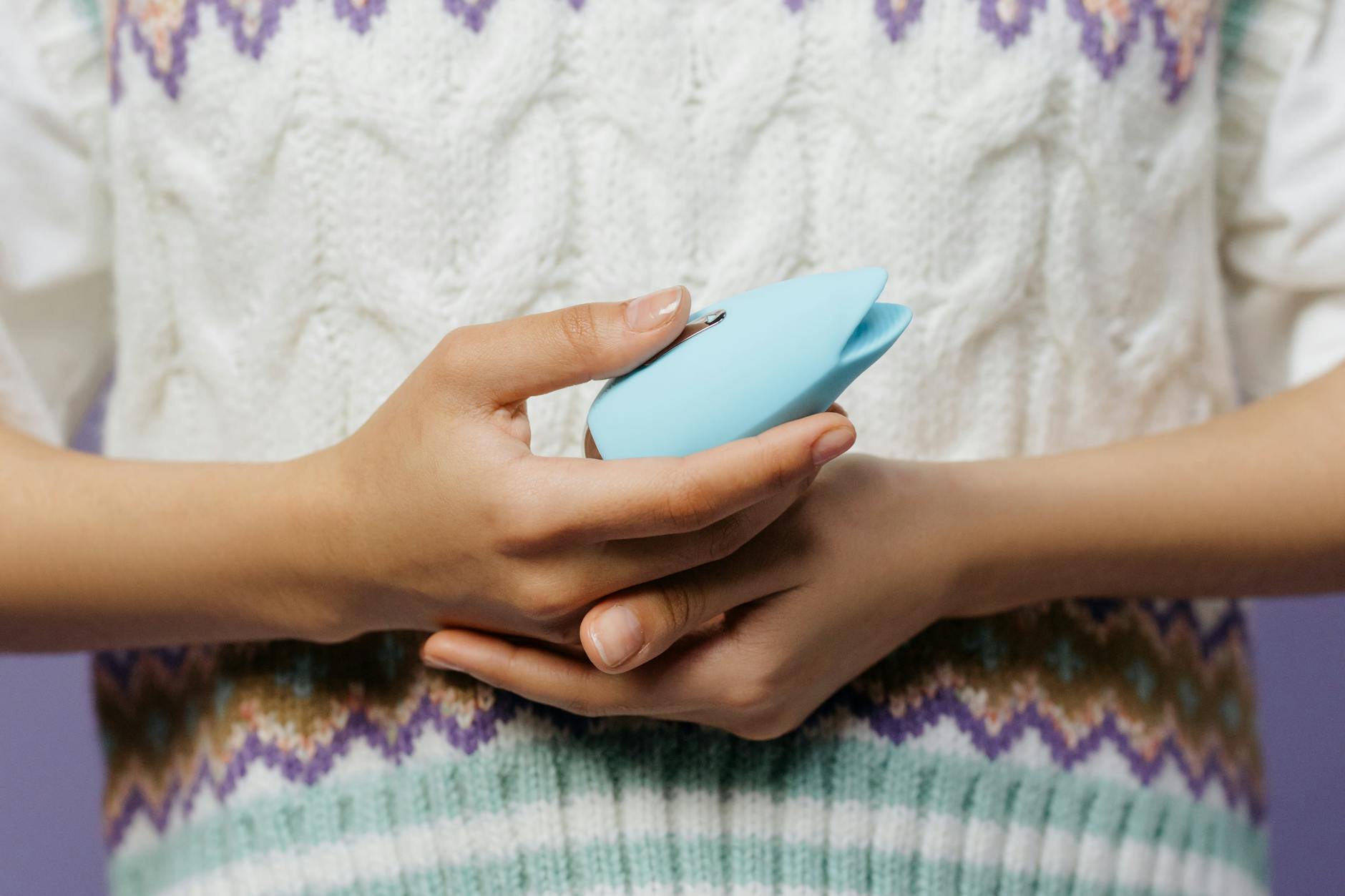
Let's name what's actually happening
Stress doesn't kill desire in some mysterious way. It hijacks your nervous system. When you're under pressure, your body floods with cortisol and adrenaline. Your brain goes into threat-detection mode. And in that state, arousal feels impossible because your body literally thinks it's unsafe to relax.
This isn't a reflection on how much you want sex, how attracted you are to your partner, or whether you're broken. It's neurobiology. Your nervous system is doing exactly what it's supposed to do when it senses danger.
The good news: you can work with your body's alarm system, not against it. A lemon vibrator can actually be one of the best tools for this because it offers physical pleasure without requiring you to manufacture mental arousal first.
How stress actually blocks arousal at the source
Here's the chain reaction. When you're under sustained stress, your body prioritizes survival responses. Blood flow diverts away from your genitals toward your limbs and brain. Your pelvic floor tightens. Your vagina produces less lubrication. Your clitoris becomes less sensitive because your nervous system is literally dampening sensation everywhere except threat-detection.
On top of that, your prefrontal cortex (the part that handles pleasure, fantasy, and desire) gets quieter. Your amygdala (the alarm bell) gets louder. You're not less interested in sex. You're neurologically unavailable for it.
This is why pushing yourself to "just have sex" during a stressful period often backfires. Your body isn't refusing on purpose. It's protecting you.
The secret that changes everything
A lemon vibrator works differently than traditional vibrators in ways that matter when you're stressed. The suction-based stimulation of the Lem bypasses some of the arousal building blocks you can't access when your nervous system is locked down. You don't need to feel mentally turned on first. You don't need extended foreplay. You don't need your body to lubricate on command.
Instead, you can use physical sensation to gradually coax your nervous system back into a parasympathetic state. That's the relaxed, safe mode where arousal becomes possible again.
Start with the lowest setting. The Lem's pattern 1 is gentle enough that it feels more like permission than pressure. You're not trying to reach an orgasm. You're trying to tell your body: it's okay to feel good right now.
Setting the container for nervous system reset
Before you even reach for a lemon clitoral vibrator, you need to handle your environment. This means carving out genuine time without your phone visible. Not "I'll just check my email once." Actual freedom.
Twenty minutes is the minimum. Your nervous system needs time to shift gears from sympathetic (threat mode) to parasympathetic (safety mode). This isn't indulgence. This is basic nervous system hygiene.
If you have a partner, communicate this clearly: "I need this time to reset my body. This isn't about you. I'll come find you after." Partners often interpret low desire as rejection. Framing it as self-care, not avoidance, changes everything.
Warm your space. Take three minutes to breathe with your eyes closed. Touch your own skin without a goal. Let your body remember that sensation can feel safe.
The actual technique when you're stressed
Start externally. Use the Lem on your outer labia first. The tissue there is thicker and less sensitive when you're stressed, so it won't feel too intense. Stay on pattern 1 or 2 for at least five minutes. You're not building toward anything. You're just introducing sensation.
Notice what you feel. Temperature. Rhythm. The specific spots that feel better than others. This is grounding. Your brain is engaging with sensation instead of ruminating about your to-do list.
After five to ten minutes, move to your clitoris if you want to. But honestly, sometimes the most therapeutic thing is just the external stimulation. No pressure to climax. No goal. Just presence.
If an orgasm happens, wonderful. If it doesn't, that's also fine. Your nervous system is getting the signal that pleasure is still available. That alone is healing when stress has convinced you otherwise.
Why partner involvement changes the dynamic
If you have a partner and you want them involved, the framing matters wildly. This isn't about them performing. This is about them witnessing and supporting your reset.
Let them hold you afterward. Let them see you using the Lem. Many partners find watching their partner's pleasure deeply connective. But only if you're clear that you're not doing this for them. You're doing it for your nervous system.
One thing I recommend: use the Lem solo first while stressed. Get comfortable with it as a way to recenter yourself. Once stress loosens its grip and you feel more grounded, partner involvement becomes easier and more genuine because you're not performing from a depleted place.
The secondary benefit nobody talks about
Regular use of a lemon sucker or any clitoral vibrator during high-stress periods actually recalibrates your nervous system over time. You're teaching your body that pleasure is still accessible even when life is hard. That's not a small thing.
Many people report that after two or three weeks of consistent use during stress, their baseline ability to feel desire returns faster. Your nervous system starts trusting that safety is possible again.
Common mistakes when stress is high
Don't expect immediate orgasms. When your cortisol is elevated, your body doesn't orgasm the same way. Some people find that stressed orgasms feel shallow or incomplete. This is normal neurochemistry, not a sign that something's wrong.
Don't use the highest intensity. Your tissues are more sensitive to over-stimulation when stressed because your pain and pleasure thresholds shift. Start lower than you think you need to.
Don't skip the breathing. Seriously. Two minutes of slower breathing before and during resets your vagal tone. This is the physical switch that tells your nervous system you're safe.
Don't rush the return to partner sex. If you're using a lemon vibrator because stress has tanked your desire, moving straight into partnered sex often backfires. Give yourself time to reconnect with your own pleasure first.
When stress-related low desire needs more support
If you've been using a clitoral vibrator consistently for three weeks and desire still hasn't budged, consider whether something deeper is happening. Sometimes stress-related low desire is actually relationship stress in disguise. Sometimes it's hormonal. Sometimes it's both.
A good therapist or sex educator can help you untangle this. A lemon vibrator is a powerful tool, but it's not a replacement for addressing the actual source of stress if that source is relational or medical.
The path forward
Stress will always affect desire. That's not changing. But you don't have to wait for stress to lift before pleasure becomes available to you. A Lem vibrator can be the bridge that keeps your nervous system connected to pleasure even when life is demanding your attention.
Your body deserves permission to feel good, even when everything else feels chaotic. Start small. Be patient. Let sensation lead.
People Also Ask
Can you use a lemon vibrator when you're not in the mood?
Absolutely. That's actually when it's most useful. When stress has flattened your desire, waiting to feel like it before trying is a trap. You're waiting for your nervous system to shift first, but your nervous system shifts through safe sensation, not through thinking yourself into arousal. Start with the lowest setting and give it ten minutes. Many people find that once they begin, their body responds even if their mind wasn't on board initially.
How long does it take for stress-related low desire to improve with vibrator use?
Three to four weeks of consistent use (two to three times weekly) is when most people notice a shift. Your nervous system learns through repetition that pleasure is safe and accessible. But individual timelines vary. Some people feel the shift within days. Others take longer. The point is showing up regularly, not pushing hard.
Should you use a lemon clitoral vibrator solo or with a partner when dealing with stress?
Start solo. When stress is high, having a partner present can add performance pressure, which defeats the whole purpose. Solo use lets you focus entirely on sensation without any self-consciousness. Once you've reconnected with your own pleasure, involving a partner becomes easier and more genuine.
Does stress affect the Lem vibrator's effectiveness?
No. The vibrator works the same way regardless of your stress level. What changes is your baseline sensitivity and your nervous system's ability to relax into sensation. Because of this, you might start on a lower pattern than you normally would. Your tissues and nervous system need gentleness when they're in threat mode.
What's the difference between using a lemon sucker and other vibrators when you're stressed?
The suction-based stimulation of the Lem provides broader, gentler sensation across the entire clitoral complex. This matters when you're stressed because it doesn't require intense direct friction. You get stimulation without the risk of over-stimulation. Many people find the Lem's pattern feels almost meditative compared to traditional vibrators, which is exactly what your nervous system needs when stress has it locked tight.
Can you combine a lemon vibrator with other stress-relief practices?
Yes, and it's actually powerful to do so. Try breathing work before using the Lem. Pair it with a warm bath. Use it alongside therapy or partner conversations about the stress. A vibrator is one tool in your toolkit. It works best when you're also addressing the stress itself through whatever routes work for you.