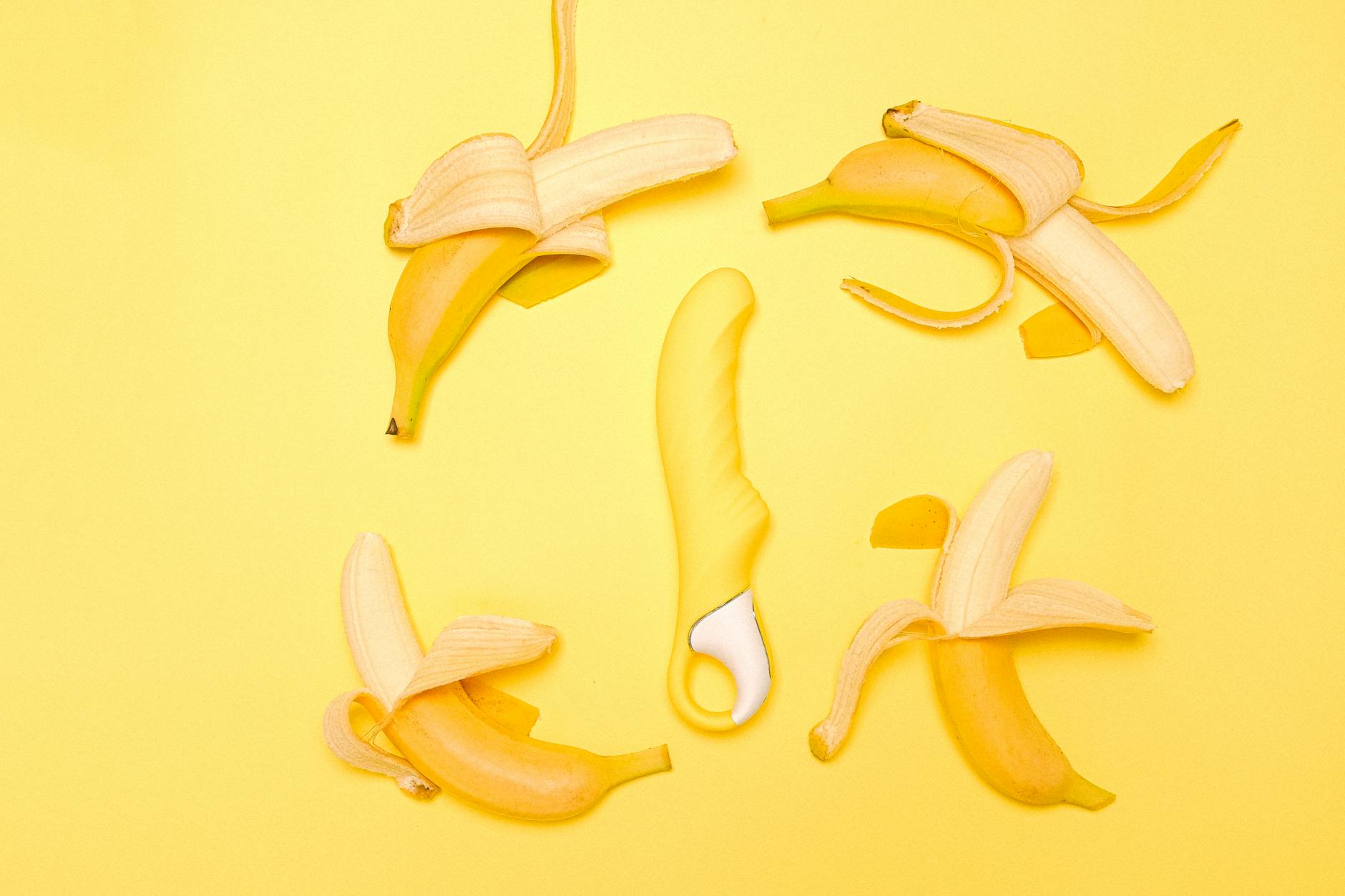
Here's the thing nobody tells you about your clitoris
Your clitoris is not a static target. It's a responsive, changeable organ that shifts sensitivity depending on your menstrual cycle, stress levels, sleep, hydration, and honestly just the day of the week. One week the lightest touch from your lemon vibrator feels exquisite. The next week you need more intensity just to register sensation. Neither version is wrong. Both are completely normal.
Most people interpret this variability as a personal failure, like their body is suddenly broken or uncooperative. What's actually happening is that your nervous system is doing exactly what it's supposed to do. Learning how to work with these fluctuations instead of against them transforms your relationship with pleasure.
Why clitoral sensation actually changes
Three major factors shift how your clitoris responds to stimulation.
Hormonal cycling. If you menstruate, your clitoris literally changes size and blood flow throughout your cycle. During the follicular phase (days 1-14 of your cycle), estrogen is rising, which increases clitoral blood flow and makes the tissue more engorged and responsive. In the luteal phase, progesterone dominates, and blood flow decreases. This isn't subtle. Studies show clitoral sensitivity can vary by 30-40% across the cycle.
Nervous system state. When you're stressed or anxious, your sympathetic nervous system activates (fight-or-flight mode), which constricts blood vessels and reduces genital sensation. When you're calm, your parasympathetic nervous system takes over, allowing blood to flow more freely to your genitals. Sleep deprivation, caffeine, and emotional tension all tip you toward that constricted state.
Stimulation history. If you've been using the same lemon vibrator pattern for weeks, your nerve endings habituate. This isn't numbness exactly. It's adaptation. Your nervous system learns the signal and stops paying attention to it. Switching patterns, speeds, or positions resets that habituation and brings sensation back online.
What changes mean for using your lemon vibrator
Here's where things get practical. A good lemon clitoral vibrator like the Lem is built for this exact reality. The suction pattern works with your body's variability instead of fighting it.
Low-sensitivity days (those slower pattern days). Start with the Lem on pattern 4 or 5 instead of your usual pattern 2. Spend longer warming up. Let your clitoris engorge naturally through arousal before introducing the device. Think 15-20 minutes of touch, mental focus, or partnered foreplay first. The suction mechanism of a lemon vibrator works beautifully here because it stimulates through blood flow engagement rather than direct friction. Your body doesn't need to be at peak sensitivity for suction to work effectively.
High-sensitivity days. These are the ones where pattern 1 feels overwhelming almost immediately. The tendency is to push through, but that's the opposite of what helps. Start with the pulse setting or pattern 1 at reduced contact time. Instead of pressing the Lem directly over your clitoris for the full session, try moving it around the vulva, using it on the mons pubis, or directing the suction toward the side of the clitoral hood rather than the tip. You're still engaging the pleasure response, just at a lower intensity point.
Mid-range days (most days). You've got flexibility. This is the time to experiment with patterns you haven't tried or positions you normally skip. Your nervous system is in the Goldilocks zone for exploration.
The real reason variability is actually useful
Listen, I know inconsistency feels frustrating. As a therapist, I see clients who interpret fluctuating sensation as a sign that something is wrong with their body or their desire. The opposite is true. The variability means your nervous system is healthy and responsive to your environment.
What variability teaches you is this: you're not a machine. Your pleasure is not a performance metric that stays constant. Your body is communicating with you about what it needs on any given day. High sensitivity might mean you need gentleness or that stress is unusually high. Low sensitivity might mean you need more warmth, connection, or rest before sex is even on the table.
Partners often struggle with this too. If you're using a lemon vibrator with someone, the conversation shifts from "Why isn't this working like last time?" to "What does your body need today?" That's not a smaller conversation. It's actually the foundation of sustained pleasure.
Practical strategies for working with the shifts
Track your sensitivity alongside your cycle. Sounds clinical, but it's genuinely useful. You don't need an app. Just a note in your phone after sex: "Day 7 of cycle, needed pattern 3, took 15 minutes." Within a few months, you'll see the pattern. This information is gold because it lets you prepare instead of being surprised.

Photo by cottonbro studio on Pexels
Rotate your patterns actively. Don't wait for habituation to hit. If you've been using pattern 2 regularly, switch to pattern 4 for a week. Come back to pattern 2 and it'll feel fresh again. The Lem's multiple patterns aren't just variety for variety's sake. They're specifically designed so you can keep sensation engaging without needing to upgrade.
Pay attention to non-cycle factors. Is your sensitivity lower when you're working long hours? When you're in conflict with a partner? When you haven't had enough water? When you're pre-menstrual? All of these are real data points. Some you can control (sleep, stress, hydration). Some you can't (where you are in your cycle). But knowing which is which helps you respond appropriately. On a high-stress day, maybe you skip the lemon vibrator entirely and go for partner touch instead. On a low-hydration day, you might spend extra time on arousal before reaching for the device.
Use suction variability to your advantage. One of the reasons lemon vibrators work so well for bodies with variable sensitivity is that suction engages sensation through blood flow and pressure, not friction alone. If direct clitoral stimulation feels too intense, the same device can work on surrounding tissue. That flexibility is huge when your sensitivity is in flux.
When to get concerned
Sensitivity that fluctuates week to week or with stress? Completely normal and nothing to worry about.
Sensitivity that vanishes entirely and doesn't return after a few weeks? Worth checking in with a doctor or a therapist. This could signal something like medication side effects, significant depression, or a circulation issue that deserves attention.
Pain where there wasn't pain before? Also worth investigating with a healthcare provider. Sensitivity changes are normal. Pain that's new or worsening isn't.
If you're wondering whether your clitoral changes are normal or worth investigating, your instinct to ask is usually right. A quick conversation with your GP or a therapist who specializes in sexual health can rule out anything serious and often reassure you that what you're experiencing is just the landscape of a normal, healthy body.
The permission you actually need
Stop expecting your pleasure to be consistent. Stop treating variability as failure. Your clitoris is doing exactly what it's supposed to do. On high-sensation days, you get to feel like a live wire. On low-sensation days, you get to practice patience and self-knowledge. Both are valuable.
A lemon vibrator becomes so useful in this context because it gives you options. Different patterns, different positions, different pressure levels. You're not locked into one approach. You can actually meet your body where it is on any given day.
This is what embodied pleasure looks like. It's not about reaching the same peak every single time. It's about paying attention, adapting, and trusting that your body knows what it needs. That's where real satisfaction lives.
People also ask
Why does my clitoris feel numb some days but hypersensitive on others?
Your clitoris is exquisitely sensitive to hormonal, nervous system, and physiological changes. During your cycle, blood flow to your clitoris shifts dramatically. Stress also plays a major role. When you're activated in your sympathetic nervous system (fight-or-flight), blood flow decreases to your genitals and sensation dulls. When you're relaxed, parasympathetic activation increases blood flow and sensitivity dramatically. Sleep, caffeine, hydration, and emotional connection all influence where you land on that spectrum.
How can I tell if changing sensation is normal or a sign something's wrong?
Normal sensitivity changes follow patterns. They correlate with your cycle, stress levels, or specific medications. Abnormal changes are sudden, persistent, and don't connect to any obvious trigger. If your sensation has been consistent for years and suddenly flatlines for weeks, or if sensitivity changes are accompanied by pain, that's worth a conversation with a healthcare provider. When in doubt, ask. Your instinct usually knows the difference between natural variability and something that needs attention.
Is it okay to use my lemon vibrator more on low-sensitivity days to compensate?
Actually, the opposite approach works better. On low-sensitivity days, give yourself longer warm-up time and explore different patterns or positions rather than increasing intensity. You'll get better results with adaptation than escalation. If you push for sensation that isn't present, you might actually train your nervous system to need more intensity to feel anything. Let your body tell you what it needs instead.
Can stress really affect clitoral sensation that much?
Yes, absolutely. Stress is one of the fastest ways to diminish genital sensation. Your sympathetic nervous system constricts blood vessels, cortisol rises, and pleasure takes a back seat to threat response. If you notice your sensitivity drops during stressful work periods or relationship tension, that's not random. Your body is telling you it doesn't feel safe enough for pleasure right now. Addressing the stress (sleep, movement, therapy, rest) often restores sensation faster than any device can.
Should I track my clitoral sensitivity alongside my menstrual cycle?
It's genuinely useful. Not because you need to treat it like a performance metric, but because patterns emerge. You'll notice that you prefer certain patterns at certain cycle days. You'll see when non-cycle factors (stress, medication, relationship dynamics) override your normal sensitivity profile. That information helps you prepare instead of being surprised. You don't need an app. A simple note works perfectly.
What's the best lemon clitoral vibrator to use when sensation is unpredictable?
The Lem is specifically designed for bodies where sensation varies. Multiple pattern options let you adapt without replacing the device. The suction mechanism works with variable sensitivity better than friction-based vibrators because it engages sensation through blood flow and pressure rather than intensity alone. You're not locked into one approach. That flexibility is everything when your body's needs shift frequently.
Getting started with your body as it actually is
Your clitoris doesn't need to be consistent to be worth exploring. Your pleasure doesn't need to be predictable to be real. A lemon vibrator works because it meets you where you actually are instead of demanding that you perform consistency you don't feel.
Start paying attention to your patterns. Notice what shifts your sensitivity and what doesn't. Experiment with different patterns and positions. Give yourself permission to have different needs on different days. That's not instability. That's wisdom. Your body has been trying to tell you this the whole time.
If you want to explore this further, reach out to our team. We're here to talk through how to find the right tool for your body as it actually is, not as you think it should be.