Let's talk about the thing nobody mentions
Breastfeeding is intimate. It's also completely desexualized in most conversations about postpartum recovery. That gap between what your body is doing and what culture tells you about your body doing it creates a weird dissonance.
Here's the reality: you can breastfeed and reclaim pleasure. They're not opposites. They just require different timing, communication, and realistic expectations about what your nervous system can handle right now.
What breastfeeding actually changes
Breastfeeding triggers oxytocin release, which is the same hormone involved in orgasm and arousal. Sounds helpful, right? Here's the catch. When you're nursing, your body prioritizes that oxytocin flow for milk letdown and bonding with your baby. During those hours, your nervous system is in a different state than it was pre-pregnancy.
Your breasts also become off-limits for many people. Nipple stimulation can trigger milk letdown unexpectedly, which feels weird and sometimes uncomfortable. If your partner previously enjoyed that part of foreplay, you'll need to have a conversation about new boundaries.
Hormone-wise, breastfeeding suppresses estrogen. That's why lubrication changes, vaginal tissue becomes thinner, and arousal takes longer to build. If you thought postpartum recovery alone was a lot, add lactation hormones into the mix.
The most underestimated part: you're touched out. Your baby has been on your body for hours. Your breasts have been occupied. The last thing your nervous system wants sometimes is more touch, even consensual, wanted touch from a partner.
When breastfeeding actually supports pleasure
There's an upside to oxytocin, when timing works. Some people find that pleasure actually feels more accessible while nursing, especially if they separate it intentionally from feeding sessions.
Oxytocin rises during arousal and orgasm. If your body is already in a state of oxytocin elevation from nursing, that baseline can mean arousal builds faster and orgasms feel more accessible. This works best if you're exploring solo pleasure rather than partnered sex.
The reason: with a partner, you're managing their needs, attention, and timing on top of managing your own depleted energy. Alone, you can focus purely on sensation without negotiating anyone else's experience.
The timing question that actually matters
You've probably heard you need to wait six weeks postpartum before having sex. That's the medical clearance, not the real question. The real question is: when is your nervous system actually available?
Honestly? Many people aren't ready at six weeks. Some need 12. Some are ready at four. This varies wildly based on delivery type, tearing, sleep, support system, and whether you're enjoying the whole "my body belongs to a baby" situation.
Here's the practical approach: space intimate time away from feeding clusters. Most people have a window in the evening after baby is down and before midnight feeding. Some have a window in early morning before the day starts.
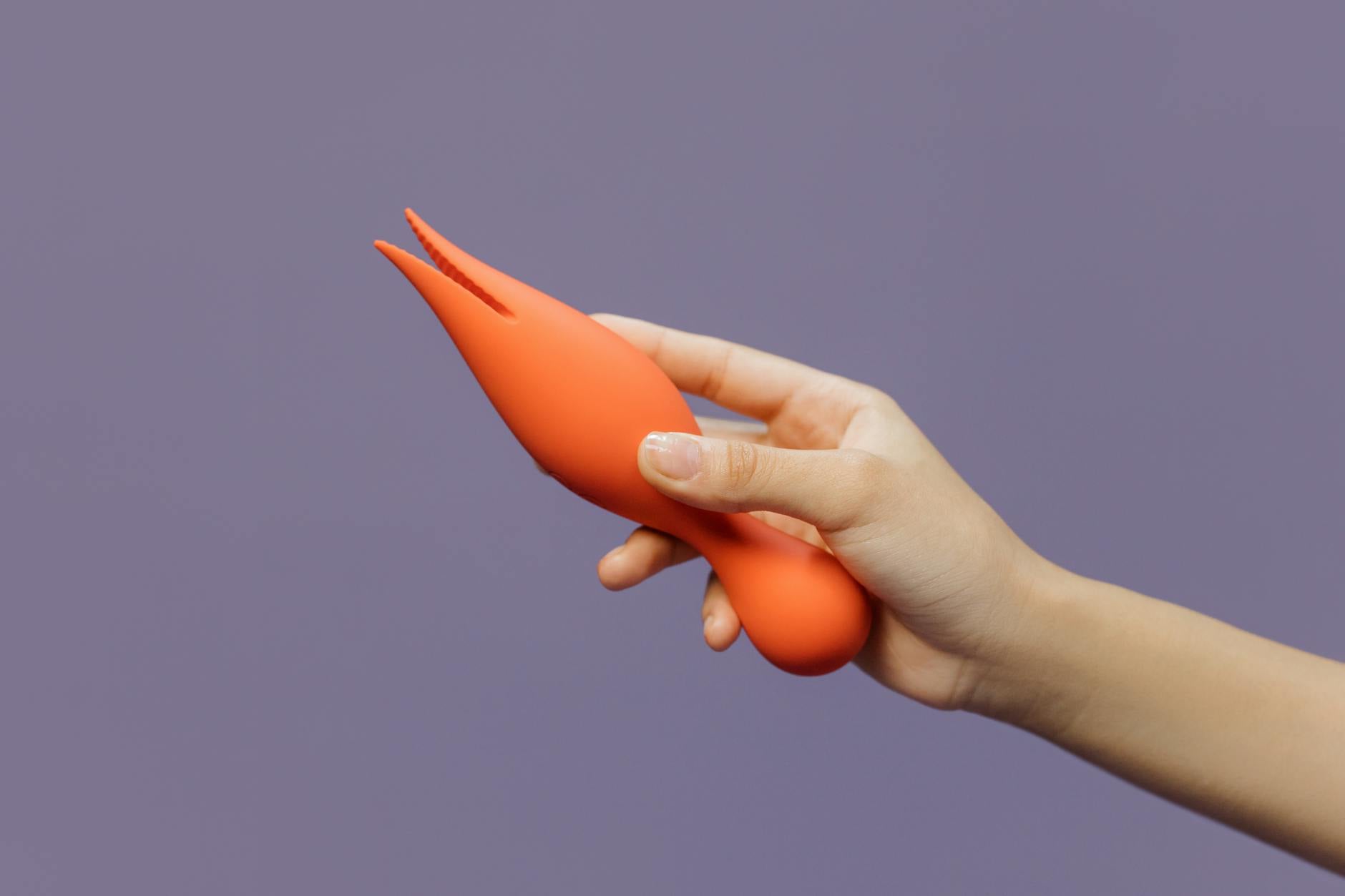
The lemon vibrator works particularly well in the postpartum window because it's quick. A suction vibrator requires less physical stamina than partnered sex. It takes 5 to 15 minutes depending on your body's responsiveness. That's realistic when you're running on interrupted sleep.
How breastfeeding affects sensation itself
Breast tenderness is real and often underestimated. If someone touches your breasts during this phase and it's not comfortable, that becomes a full-body shutdown. That's not rejection of your partner. That's your nervous system protecting tissue that's actively working.
Clitoral sensation usually stays intact, but arousal pathway itself gets slower. You're not numb. You're just requiring more time and fewer distractions. A quiet moment with the Nancy Lem vibrator is way more effective than trying to navigate partner sex when half your brain is listening for baby sounds.
Vaginal dryness is common and often more pronounced while nursing. Water-based lubrication becomes less optional and more essential. Your tissues aren't damaged. They're just responding to lower estrogen. A good lube transforms the experience.
The partner conversation that prevents resentment
Breastfeeding can create distance because partners don't understand what's actually happening. They think it's rejection. It's not. It's nervous system depletion.
Here's what helps: tell your partner specifically what you need. Not "I need more time" but "I have energy for intimacy on Tuesday and Thursday after 9 PM, and I need 10 minutes alone first." Specificity removes the guessing game.
Also tell them what doesn't work. If breast touch is off-limits, say it directly. If you need them to initiate less often and accept more solo pleasure, that's a valid boundary. If you'd rather they leave the bedroom while you use the lemon vibrator because presence feels like pressure, that's normal.
The couples who navigate this best separate partnered sex from solo pleasure. Solo pleasure isn't a substitute for your partner. It's a way to stay connected to your own body when your partner's presence complicates that.
Practical setup for postpartum pleasure
A few things make this easier. First, timing. Aim for a window when you're reasonably alert and the baby is sleeping deeply. Early evening works for most people. Late night works if you have a partner who can do the next night feed.
Second, setup. Have water-based lubricant nearby. Have your Nancy Lem vibrator charged. Have a light blanket you can pull over yourself if you need to feel less exposed.
Third, realistic expectations. Your body might take longer to warm up. Orgasm might feel different than pre-pregnancy. You might feel a bit numb for the first few minutes, then sensation returns. This is temporary. It usually normalizes around six months postpartum, sometimes sooner.
Fourth, communication with your partner if they're involved. If they're present, tell them what helps: "I want you here but I need you quiet," or "I need to do this alone tonight." Neither is a problem. Both are valid.
When to check in with a professional
If pain appears during intimacy, especially if it's sharp rather than aching, tell your GP or midwife. Sometimes scar tissue needs attention. Sometimes infection is present. Sometimes hormonal medication helps.
If you're experiencing no desire whatsoever at four months postpartum, and sleep deprivation isn't the only factor, it's worth checking your thyroid and postpartum depression screening. Hormonal and mental health factors are real. They're treatable.
If your partner is pressuring you or making you feel guilty for needing space, that's a separate issue worth discussing with a therapist. Postpartum is when partnership dynamics either solidify or fracture. Getting support early helps.
The bigger picture
Breastfeeding is temporary. Most people wean by 12 months, many earlier. Your desire, sensation, and capacity for pleasure will return to baseline. This phase is real but not permanent.
The lemon clitoral vibrators work beautifully in this window because they're effective, low-pressure, and require minimal setup. They acknowledge that you're not broken, just different. Your pleasure still matters. It just looks different right now.
Give yourself permission to explore what works in this specific season. That's not settling. That's honest adaptation.
People also ask
Can I use a lemon vibrator while breastfeeding?
Yes, completely safely. A lemon vibrator only stimulates the clitoris, so it doesn't affect nursing, milk supply, or hormone levels. The main consideration is timing and energy. Most people find solo pleasure works better while nursing because it's faster and doesn't require managing anyone else's presence or needs. If you're exploring with a partner, the same postpartum healing and tissue considerations apply as with any sexual activity after birth.
Will using a lemon sucker affect my milk supply?
No. Orgasm and arousal don't impact milk production. Oxytocin is involved in both nursing and orgasm, but using a lemon vibrator won't change your milk supply. The only caution is emotional: if pleasure feels too overwhelming while you're dealing with feeding and recovery, your stress might dip your supply slightly. But that's a stress response, not a direct effect of using a device.
How long after giving birth can I use a lemon vibrator?
Medically, you can explore after the six-week postpartum checkup if you've been cleared for sexual activity. Practically, many people need more time. Start with solo exploration, no penetration, and see how your body responds. If you had significant tearing or a C-section, the six-week timeline is more of a minimum. Listen to your body, not a schedule.
Does the lemon clitoral vibrator work if sensation feels numb?
Yes, and often better than other toys. The suction action stimulates nerve endings in a way that can reconnect sensation even when everything feels a bit muted. Start on the lowest setting. You might need five to ten minutes to wake up sensation, then the vibrator becomes more effective. If numbness persists beyond four months postpartum, check in with your GP about hormonal or neurological factors.
Can my partner use a lemon vibrator on me while I'm breastfeeding?
Yes, if timing and comfort work. The tricky part is usually the same as postpartum sex generally: you might be touched out, your energy might be depleted, and navigating someone else's presence while also nursing can feel like too much stimulation at once. Many couples find that solo pleasure works better during the breastfeeding window, and shared exploration picks back up after weaning. It's not a rejection. It's nervous system reality.
When will my pleasure feel normal again postpartum?
Most people notice significant shifts between four and six months, especially if breastfeeding stops or becomes less frequent. Full baseline return often takes 12 months postpartum. Hormones, sleep, and stress all play a role. If pleasure hasn't normalized by six months, it's worth checking with your doctor about thyroid, depression screening, and hormonal levels. Sometimes support helps accelerate the return.
Next steps
Your postpartum body deserves pleasure, even when everything else feels like it's been borrowed by a baby. The nancy lemon vibrator is designed for exactly this phase of life: quick, effective, and honest about what your nervous system can actually handle right now.
If you want to deepen conversations with your partner about postpartum intimacy and the broader relationship shift happening, consider reaching out to a couples therapist or relationship coach who specializes in postpartum transitions. The physical piece is one part. The emotional renegotiation is worth attention too.
You're not broken. Your pleasure matters. It just needs different timing and approach right now.