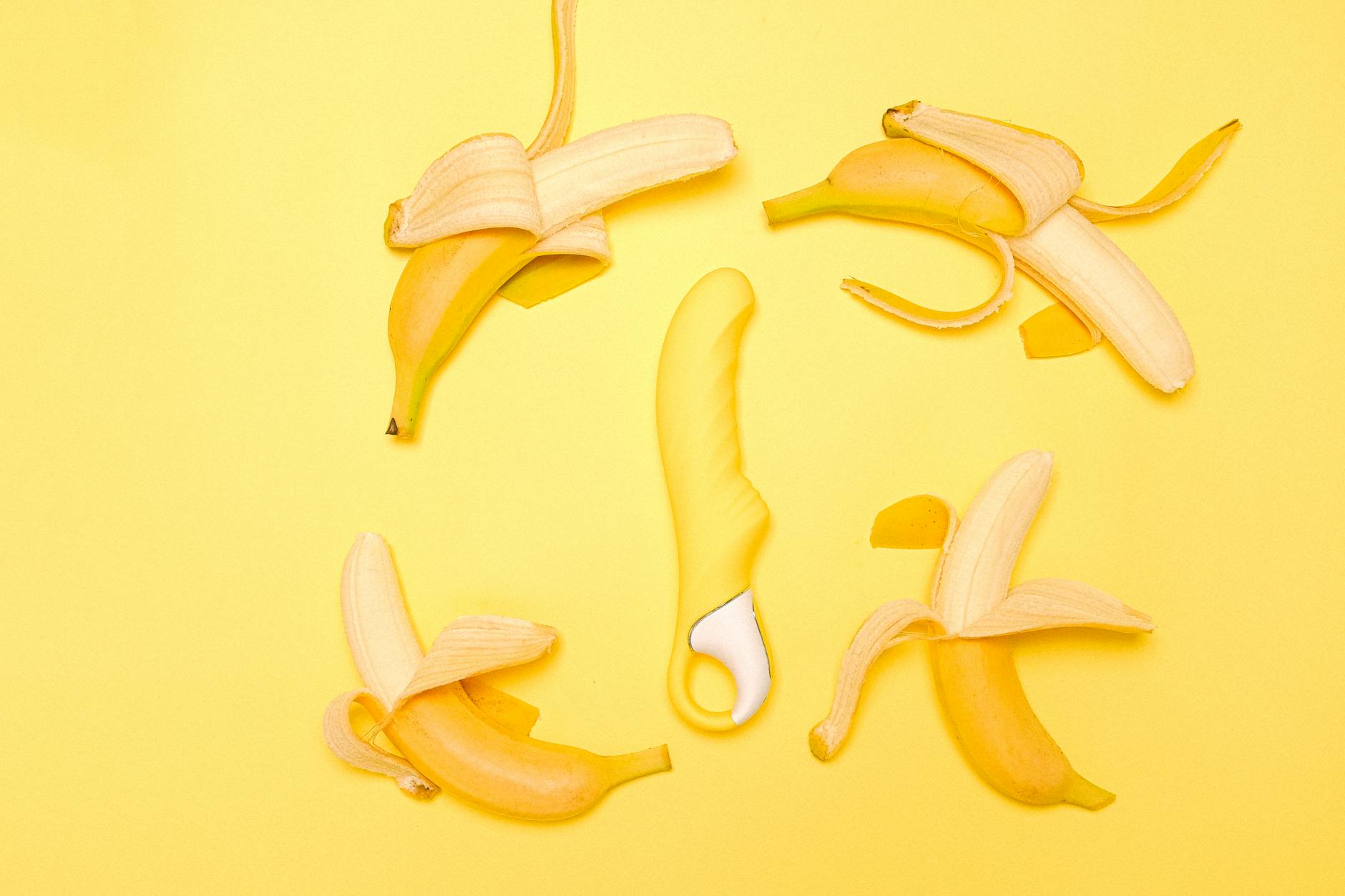
Let's start here: aging changes sensation, not desire
This is the part nobody talks about clearly. As we age, the tissue in and around the vulva becomes less elastic. Collagen production slows. Blood flow can be less immediate. The pelvic floor loses some of its muscular tone. All of this is completely normal, completely physical, and completely manageable once you know what's actually happening.
The confusion comes from the assumption that these changes mean the end of good sex. They don't. They mean adaptation. And honestly, a lot of people find their pleasure deepens once they stop fighting the changes and start working with them instead.
What aging actually does to tissue
Collagen gives tissue its stretch and bounce. As estrogen drops with age (whether from menopause or just time), collagen production decreases. This affects the vaginal wall, the labia, and the tissue surrounding the clitoris. The external tissue becomes thinner and less plump. The vaginal opening can feel tighter in some ways and less elastic in others. It's not a malfunction. It's a shift.
Blood flow also changes. When you're younger, arousal triggers immediate vasocongestion. The tissues engorge quickly and noticeably. With age, this process is gentler and slower. Some people report needing more time to feel aroused. Others notice that orgasms feel different in terms of intensity or pattern.
The clitoris itself doesn't shrink or lose sensitivity in the way popular culture suggests. What changes is the tissue surrounding it. The hood might feel less full. The visibility of the glans (the tip) might increase. But the nerve endings? Still there. Still responsive.
Here's the part that matters: these changes make some types of stimulation feel different, and a lemon vibrator's air-suction technology is often a better fit than traditional vibration for this exact reason.
Why suction changes the game for aging tissue
A traditional vibrator relies on direct vibration and friction against delicate tissue. If that tissue is thinner or more sensitive with age, friction can feel uncomfortable, irritating, or even painful after prolonged use.
Suction stimulation works differently. The Lem, a lemon clitoral vibrator, uses pulsing air waves to create a gentle vacuum sensation that stimulates the clitoris indirectly. You're not creating friction against fragile tissue. You're creating a rhythmic pressure that engages the entire clitoral complex. Older tissue actually responds beautifully to this approach because it doesn't require the tissue to be thick or elastic. It just needs to be responsive, which it is.
Many of my clients report that they've had their most satisfying experiences in their 50s, 60s, and beyond once they switched from traditional vibration to suction-based lemon sexual toys. The difference isn't small.
Physical adjustments that matter
Four things shift how you'll want to approach pleasure as tissue ages:
Lubrication becomes non-negotiable. This isn't about anything being broken. Thinner tissue benefits from the glide that lube provides. Use a water-based lubricant even if you're naturally lubricated. It reduces friction and makes every sensation more comfortable. Reapply halfway through if you need to.
Warm-up time lengthens. Budget 15 to 25 minutes before using your lemon clitoral vibrator, not 5. Your body is taking longer to bring blood to the area. Work yourself up with touch, attention, fantasy, or partnered foreplay first. Then introduce the device.
Start lower and slower. The Lem has multiple intensity levels. Begin at setting 1 or 2. Your tissues are more sensitive to direct stimulation now. You're not going to enjoy it less. You're going to enjoy it differently. Starting too high can leave you sore or overstimulated.
Give yourself recovery time. If you used to have multiple orgasms back to back, you might notice that's less comfortable now. That's okay. Quality over quantity applies here. One really good orgasm beats five rushed ones.
The emotional side nobody mentions
Aging tissue comes packaged with a lot of complicated feelings. Maybe you're grieving what your body used to feel like. Maybe you're noticing your partner's attention shifting, and you're interpreting tissue changes as undesirability (when really it's just biology). Maybe you've internalized the message that your sexual life should be finished by now, so you're not even trying.
All of that is completely normal. And all of it can be separate from the physical reality. Your tissue has changed. That doesn't mean you're less sexy, less capable, or less deserving of pleasure. It means you're adapting.
One of the most powerful things I've seen couples do is separate the conversation about tissue changes from the conversation about desire and attraction. "My body is responding differently" is a different topic than "Do you still want me?" Confusing them poisons both conversations.
If you're partnered, the most useful thing you can do is be honest about what you're experiencing without making it mean something about the relationship. "I need more warm-up time" is information. "I'm worried you won't find me attractive anymore" is a fear, and it needs its own conversation.
When dryness becomes a real problem
There's a difference between normal tissue thinning and genitourinary syndrome of menopause (GSM), which causes painful dryness and irritation that doesn't resolve with over-the-counter lubrication alone.
If you're experiencing burning, stinging, or pain that persists even with generous lubrication, see your doctor. A topical estrogen cream applied a few times a week can transform the experience in weeks. It's not a big deal medically, and it's highly effective. You don't need to push through discomfort.
Similarly, if your pelvic floor has become hypertonic (too tight) with age, pelvic floor physical therapy is worth exploring. A specialist can teach you how to relax the muscles, which changes sensation and comfort dramatically.
How aging tissue responds to the Lem differently
Because the Lem uses suction rather than traditional vibration, aging tissue responds in specific ways worth knowing about.
First, you might feel more sensation from lower intensity settings. The suction technology is efficient. You don't need to turn it up to feel it. Start at setting 1 and notice what you feel. You can always increase it.
Second, the suction creates a gentle pulling sensation that some people find incredibly pleasurable with age. The tissue doesn't need to be thick or elastic for this to feel good. It just needs to be responsive.
Third, because there's no direct friction, you can use it longer without irritation. This matters when arousal takes longer to build. You're not racing against discomfort. You can stay with it as long as you need.
The positioning that helps with changes
As tissue ages, some positions feel better than others when using a lemon vibrator or any clitoral device.
Lying on your back with a pillow under your hips gives you good access and lets gravity work with you rather than against you. It's also less demanding on your pelvic floor muscles.
Sitting upright with legs apart gives you easy access and lets you control the pressure and angle. You have full control, which matters when you're figuring out what feels best.
Avoid positions that create tension in the pelvic floor or that require you to hold your muscles tight. You want relaxation to deepen sensation, not tension to interrupt it.
The reality check
Aging changes tissue. That's not sad. That's just aging. Your body is doing exactly what bodies do over time. The pleasure you're capable of doesn't depend on your tissue being 30 years old. It depends on you knowing what your body actually needs right now and being willing to give it that attention. That's actually better.
People also ask
How much does clitoral tissue really change with age?
The external clitoral tissue loses elasticity and becomes thinner as collagen decreases. The clitoral hood may appear less full. However, the clitoris itself retains its nerve endings and sensitivity. The change is visible and tactile, but it doesn't affect your capacity for pleasure or orgasm. It just changes how stimulation feels.
Can you use a lemon vibrator if you have tissue dryness?
Absolutely. In fact, a lemon clitoral vibrator is often easier on dry tissue than traditional vibrators because suction doesn't rely on friction. Always use water-based lubricant generously. Apply it to the outside of the device and reapply during use. If dryness is severe or painful, talk to your doctor about topical estrogen treatment, which is quick and highly effective.
Does a lemon sucker feel different as you age?
Yes, but often in good ways. Because the Lem uses suction technology rather than direct vibration, aging tissue that's thinner or more sensitive often responds better. Many people report that lower intensity settings feel more pleasurable. The sensation is more indirect and less dependent on tissue elasticity.
How long should warm-up take as you age?
There's no hard rule, but 15 to 25 minutes is typical. Your body is taking longer to bring blood flow to the area. This isn't a problem. It's just information. Use that time for touch, conversation, fantasy, or partnered foreplay. Then introduce your lemon sexual toy when you feel ready, not before.
Is it normal for orgasms to feel different with age?
Completely normal. Orgasms might feel less intense in some ways and more localized in others. The pattern might change. Some people have fewer multiple orgasms in sequence and one really satisfying orgasm instead. That's not worse. It's just different. Your nervous system is changing, and that's okay.
When should you see a doctor about tissue changes?
If you have pain during sex, burning, stinging, or persistent dryness that doesn't improve with lubrication, schedule an appointment. Genitourinary syndrome of menopause is common, treatable, and worth addressing. If you have pelvic floor tension or pain, pelvic floor physical therapy is incredibly effective. Don't assume you just have to live with discomfort.
Aging changes things. But it doesn't end them. You deserve pleasure now just as much as you did at 25. The only difference is that now you might actually know what you want.