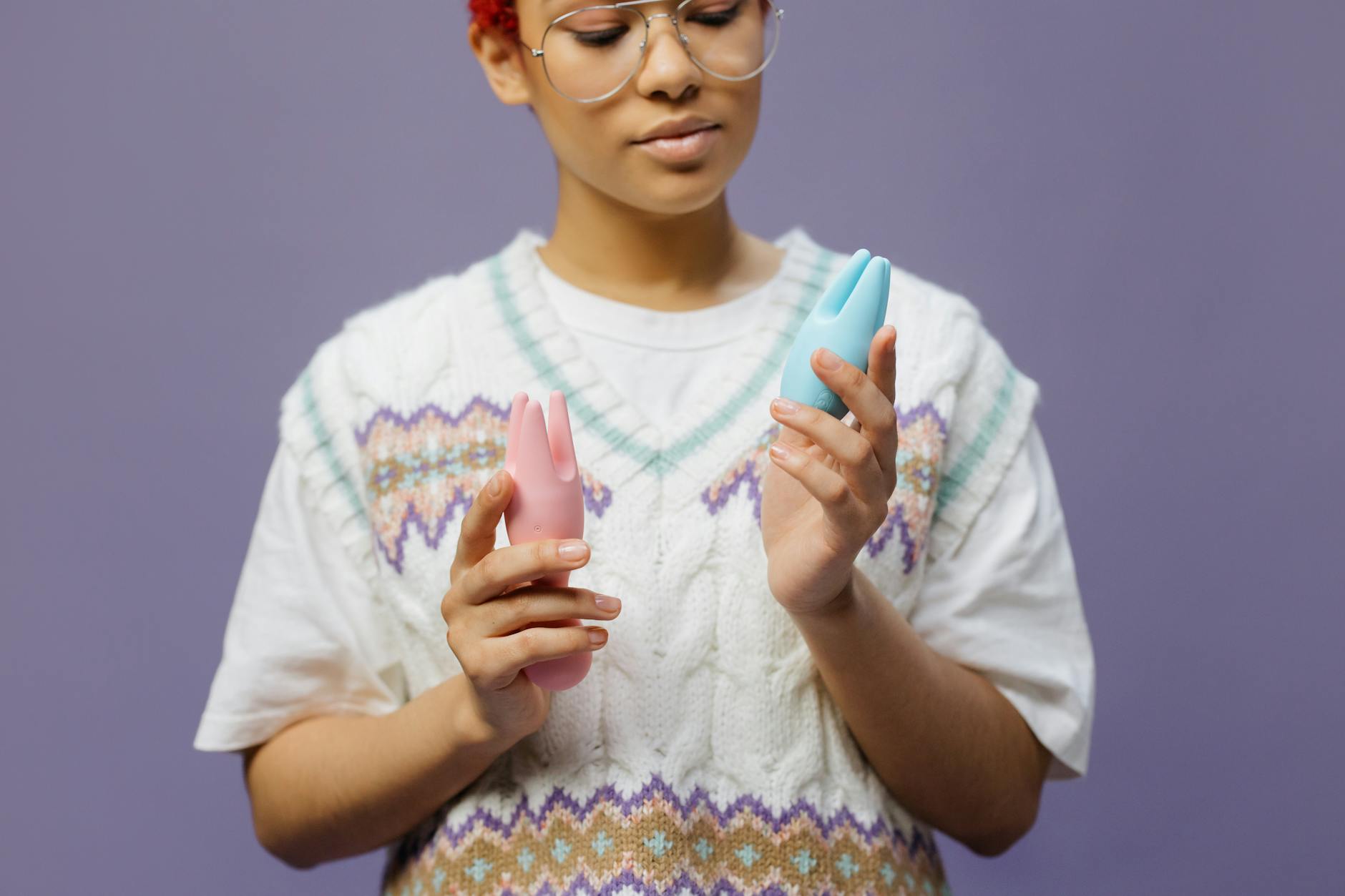
Let's talk about what actually happens to pleasure after 40
Here's what nobody tells you: your 40s don't mark the beginning of sexual decline. They mark the beginning of sexual clarity. You know what you want. You're done performing for an imaginary audience. And your body, despite what magazines suggest, is fully capable of intense, satisfying orgasms.
But the pathway gets different. Arousal takes longer. Tissue sensitivity shifts. And the vibrator you grabbed in your 20s might not work the way it used to. That's not failure. That's just biology asking you to get smarter about what you're doing.
The good news is that women over 40 who switch to lemon vibrators—specifically air-suction devices like the Lem—often report stronger, more frequent orgasms than they had in their 30s. This isn't anecdotal. This is what I see in my practice constantly.
Why your body responds differently now
Four main shifts happen after 40:
Estrogen gradually decreases. This means clitoral tissue becomes slightly less engorged naturally. It doesn't mean you can't get there. It means the entry point for arousal takes more deliberate stimulus. Traditional vibrators that rely on speed or friction can feel too intense on this thinner, more sensitive tissue.
Skin barrier changes. Your vulva's outer skin gets thinner and drier, which is why lubrication matters more than it did at 25. A lemon sucker doesn't require aggressive friction—it uses gentle suction to pull tissue into the stimulation zone, which works beautifully with reduced natural lubrication.
Blood flow slows slightly. Arousal is still entirely possible, but it takes longer for blood to fill the clitoral tissue. This is why foreplay that felt optional at 30 becomes genuinely necessary at 40.
Pelvic floor dynamics shift. The muscles supporting your pelvic organs lose some elasticity. This can actually make orgasms feel different—sometimes more localized, sometimes more intense. Your nervous system is still wired for pleasure. The sensation is just arriving through a slightly different route.
None of these changes are problems. They're just the invitation to do things differently.
Why the Lem works better for women over 40
I recommend the Lem to almost every woman in her 40s and beyond for three specific reasons:
It doesn't require sustained friction. Traditional vibrators rely on you pushing them against your body repeatedly. With thinner tissue, this can feel abrasive. The Lem uses gentle suction instead. You position it and let the suction do the work. Zero friction, maximum sensation.
It's less likely to cause numbness. Over 40, you might notice that continuous high-speed vibration numbs sensation instead of heightening it. Suction-based lemon clitoral vibrators engage the tissue differently—they pull rather than buzz—which maintains sensitivity throughout the session.
It rewards patience. Because suction builds slowly, the Lem naturally encourages longer warm-up. You start at level 1 or 2, your body responds, and arousal deepens gradually. This pacing mirrors what your body actually needs now.
The setup that actually works
Use better lubrication. Water-based lube feels thinner than what you might remember using. That's the point. Apply it generously to the external tissue, not inside. The Lem's seal depends on moisture, so this step matters more now than with other toys.
Take 20-30 minutes. At 25, you could get there in 8. At 40, budget double that. This isn't slower. It's deeper. Extended arousal time creates more robust orgasms because more tissue has time to engorge and respond.
Start on the lowest setting. Many women over 40 jump to level 3 or 4, thinking they need more intensity. They don't. Start at level 1. Your body will communicate what it needs as arousal builds.
Use your mind. After 40, mental arousal becomes less automatic. Fantasies, memories, or the sound of your partner breathing matter more. Let yourself think about what actually turns you on instead of trying to reach orgasm on physical stimulation alone.
Building stronger orgasms with a lemon vibrator
Three specific techniques:
The breathing protocol. As sensation builds, your instinct might be to hold your breath. Instead, breathe deeply and slowly. This keeps blood flowing to the tissue and actually intensifies orgasm. Many women report that conscious breathing alone changes their orgasms dramatically.
Pattern switching. The Lem has 8 patterns. Don't just pick one and stay there. As arousal builds, switch patterns every 2-3 minutes. Your body adapts to repetition, so variation keeps sensation fresh and prevents that "stuck" feeling.
The pause-and-return method. When you feel close to orgasm, stop for 10-15 seconds. Let your body settle slightly. Then resume at a higher level. This cycle builds arousal in waves, and the orgasm that follows is often significantly more intense than if you'd just powered through.
The confidence piece nobody mentions
After 40, pleasure isn't just physical. It's deeply tied to believing you deserve it. I work with women who've spent two decades prioritizing partners' needs, managing households, building careers. The idea that their pleasure matters is actually radical.
Using a lemon vibrator is partly technique. But it's also permission. It's the physical act of saying: "My orgasm is worth time. My sensation is worth attention. My body still works, and it works beautifully."
When you see stronger orgasms emerge—which they do, consistently—it's not magic. It's the combination of smarter technique and reclaimed confidence. Your body was always capable. You just needed to ask it differently.
When to talk to a doctor
If you're experiencing pain during arousal or orgasm, that's worth mentioning to a gynecologist. Genitourinary syndrome of menopause is real and treatable. But decreased sensation, longer warm-up time, or changes in orgasm intensity aren't problems. They're normal biology.
If you're on hormonal medications or antidepressants that affect sensation, keep the medication. Talk to your doctor or a sex-positive therapist about technique adjustments. Thousands of women over 40 have powerful orgasms while on SSRIs. It's just a different path.
The longer view
Honestly though, the best part of pleasure after 40 isn't a single orgasm. It's the cumulative confidence that comes from knowing your body, trusting your needs, and using the right tools. A lemon clitoral vibrator fits into that picture perfectly because it's designed for what your body actually needs now, not what it needed at 25.
Your 40s aren't the end of your sexual peak. They're often the beginning of it. The orgasms you have now can be stronger, more frequent, and infinitely more satisfying than anything that came before. You just need to approach your body with the same intentionality you'd bring to anything else worth getting right.
FAQ: Stronger orgasms with lemon vibrators over 40
Can I have stronger orgasms with a lemon vibrator at 40 than I did at 25?
Absolutely. Many women over 40 report more intense orgasms because they understand their body better, have less performance anxiety, and use tools designed for what their tissue actually needs. Intensity isn't about age. It's about knowledge and the right technique.
How long does it usually take to orgasm with the Lem after 40?
Typically 15-30 minutes if you're starting solo and including warm-up. With a partner present, it can be faster because mental arousal kicks in. The important shift is that you're not racing. Longer arousal time creates stronger orgasms anyway.
Will a lemon sucker feel too intense on sensitive tissue?
No. Suction-based lemon vibrators are actually gentler than traditional vibrators for sensitive tissue because they don't rely on friction or high speed. Start at level 1, and your body will guide you to what feels right.
Is it normal that I need more lubrication than I did 10 years ago?
Completely normal. After 40, natural lubrication often decreases slightly due to hormonal shifts. That's why water-based lube is your friend. Use it generously. It's not a sign your body isn't working. It's just biology.
Can I use a lemon clitoral vibrator if I'm on antidepressants?
Yes. Antidepressants can affect sensation, but they don't prevent orgasm. You might need longer warm-up or a toy that engages tissue differently—which is exactly why air-suction devices work so well for people on SSRIs. Many of my clients over 40 have powerful orgasms while medicated.
What if I haven't had consistent orgasms in years?
Start with solo play using a lemon vibrator and the techniques in this article. Remove the pressure of partnered sex temporarily. Solo exploration rebuilds confidence and teaches your body what sensation actually works for you now. Many women reconnect with orgasm this way and then reintroduce partnered sex from a place of clarity about what they need.
The bottom line
Your body over 40 is not less capable. It's more honest. It won't accept rushed foreplay or the wrong tool. But when you meet it where it is—with patience, good lubrication, and a lemon clitoral vibrator designed for the tissue you actually have now—the results are often the strongest orgasms of your life.
That's not a promise. It's an observation from working with hundreds of women who've stopped accepting the narrative that pleasure declines after 40 and started discovering what their body can actually do.