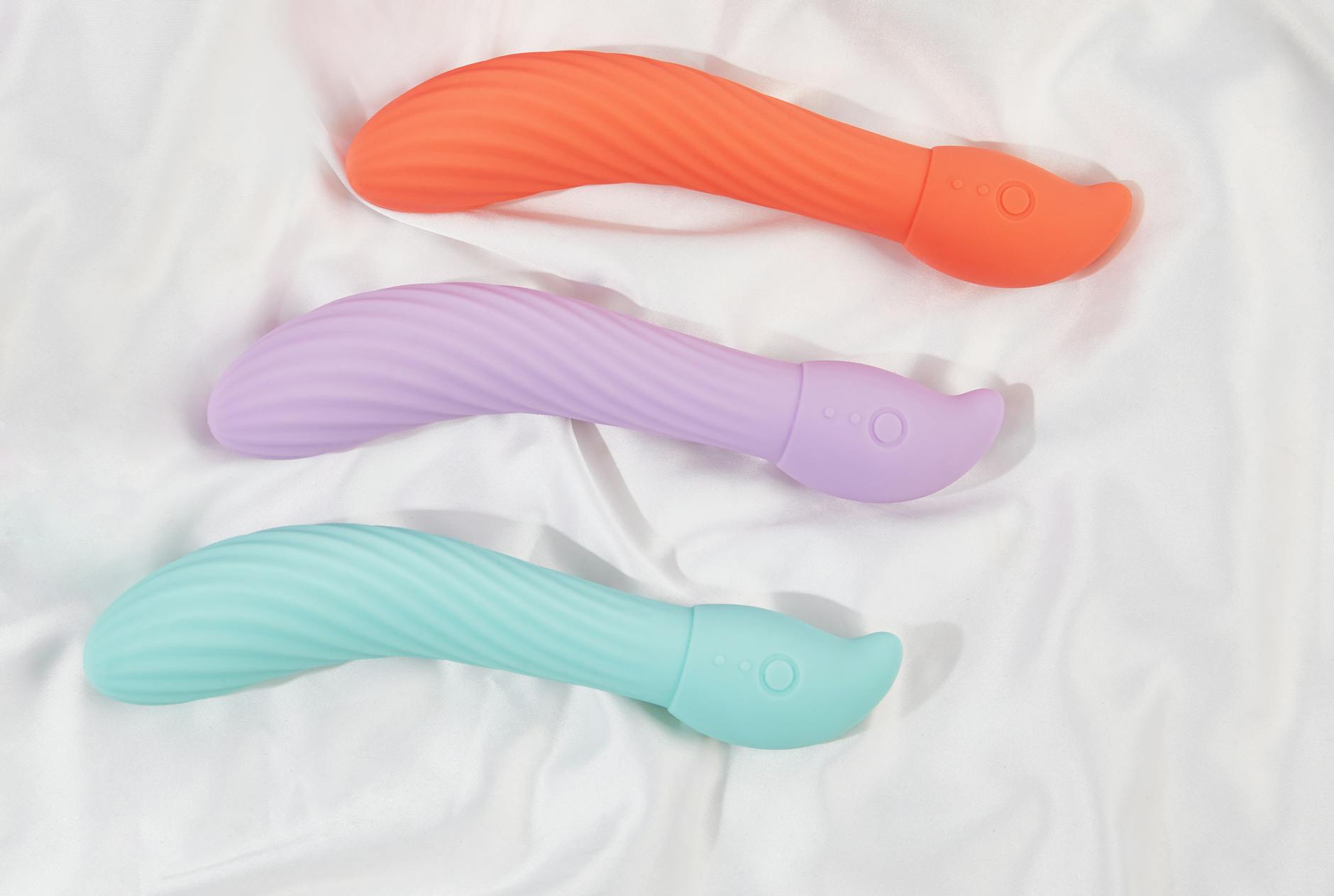
Let's talk about the part nobody warns you about
Postpartum recovery isn't just about bleeding stopping and stitches healing. It's about your pelvic floor finding its way back to function, sensation, and yes, pleasure. Between four to six weeks, most healthcare providers clear you for penetrative sex. But cleared and ready are two completely different things.
I've worked with hundreds of postpartum clients, and the most common refrain is some version of: "I want to feel normal again, but I'm terrified." That fear is completely rational. Your pelvic floor has been through trauma, whether you had a vaginal delivery or a C-section. Both change your body. Both change how sensation feels. A lemon clitoral vibrator can be part of your safe return to intimacy. But only if you approach it strategically.
Understanding what actually happened to your pelvic floor
During pregnancy, your pelvic floor muscles lengthened and stretched to accommodate the growing baby. During childbirth, they stretched even more, often tearing or getting cut (episiotomy). Even with a C-section, the relaxin hormone that softened your ligaments is still in your system for months, leaving your pelvic floor less supported than it was before.
The result: your pelvic floor is weaker, more sensitive, and takes months of gentle rehab to return to baseline. This isn't permanent. But rushing it means pain, prolonged recovery, and sometimes lasting dysfunction. The temptation to jump back into your old sexual routine is real, especially if your partner is ready. Resisting that temptation is the most important thing you can do for your long-term sexual health.
This is where a lemon clitoral vibrator becomes strategic. Unlike internal vibrators or penetration, clitoral suction stimulation doesn't require your pelvic floor to do heavy lifting. It bypasses the damaged tissue and targets the most resilient nerve cluster in your vulva.
The neuroscience of suction versus penetration
Your clitoris has about 8,000 nerve endings in a compact area. When you use a lemon vibrator or similar suction toy, you're stimulating those nerves without forcing your pelvic floor to engage or contract. With penetrative sex or traditional vibrators, your pelvic floor has to stabilize, which it can't safely do in the early weeks postpartum.
Suction-based stimulation like the Lem works particularly well because it creates consistent, non-impact pressure. There's no friction against healing tissue. There's no demand on your pelvic floor muscles. You get arousal and release without the mechanics of intercourse.
Most of my clients find they can return to clitoral pleasure around week four or five postpartum, even if penetrative sex still feels risky or uncomfortable. That's not cheating recovery. That's working with your body's actual timeline.
The timeline: when to introduce a lemon clitoral vibrator
Check with your healthcare provider first. Standard clearance is six weeks, but some providers are conservative and some are more permissive. If you're bleeding heavily or have active stitches, wait. If you have a fever or signs of infection, wait.
Once you have green light from your provider, start at week five or six with exploration only. No vibration yet. Just hold the Lem and get familiar with how your clitoris feels now. Sensitivity often changes postpartum. What felt intense before might feel muted now. What used to be comfortable might feel raw. Your job is to relearn your own body without judgment.
At week six or seven, try low-level suction at the gentlest setting. Pattern 1 or 2 on the Lem. Five to ten minutes maximum. Stop if you feel pain, pressure, or heaviness. Spotting or light bleeding is normal in the first few sessions. Sharp pain is not. There's a real difference between "this is unfamiliar" and "this is wrong." Honor that difference.
By week eight to ten, if gentle sessions have felt good and you're not having bleeding or pain, you can gradually increase intensity. Even then, keep sessions short. Your pelvic floor is still rebuilding. You're not training for Olympic-level orgasms. You're relearning pleasure at a pace your body can handle.
Why lemon suction toys beat traditional vibrators postpartum
Wand vibrators and bullet vibrators create friction and require more direct pressure. They can irritate sensitive postpartum tissue. Clitoral suction toys like the lemon vibrator work differently. They pull gently rather than vibrate forcefully. This matters when your tissue is thin, sensitive, and healing.
Suction also requires less muscular engagement from your pelvic floor. You're not triggering the same protective contraction response that happens during penetration. You're getting stimulation without the physical demand. For someone three months postpartum whose pelvic floor is still rebuilding, this is the difference between safe and risky.
Lubricant is still important. Hormones stay disrupted while breastfeeding, which keeps natural lubrication lower than baseline. A water-based lube makes everything more comfortable and reduces friction against sensitive tissue.
Managing the psychological side of postpartum recovery
Here's what people don't talk about enough: the emotional component of postpartum sexual recovery. Your body feels foreign. Your sense of yourself as sexual might feel foreign too. You might be touched out from constant skin-to-skin contact with a baby. You might feel resentment toward your partner. You might grieve the body you had.
Using a lemon clitoral vibrator solo first is intentional. It's not about avoiding your partner. It's about reclaiming your own pleasure separate from anyone else's needs or timeline. Solo time with a gentle vibrator can help you rebuild trust in your body. It reminds you that pleasure is yours to own.
When you do return to partnered sex, you have information. You know what feels good now. You know your boundaries. You can guide your partner instead of hoping they'll guess. That communication is worth months of awkward fumbling.
Some couples benefit from using a lemon clitoral vibrator together as a bridge activity before full penetration. It keeps intimacy alive while your pelvic floor finishes healing. It reminds you both that sex doesn't have to mean intercourse. It can mean a lot of things, and sometimes the gentler ways feel better anyway.
Red flags that mean you should pause
If you experience sharp pain, heavy bleeding, or a sensation of heaviness or pressure in your pelvic floor during or after use, stop and contact your provider. These aren't signs of weakness. They're signs your tissue needs more time.
If you're still having active bleeding six weeks postpartum beyond light spotting, hold off on any vibrator use until that resolves. Unusual discharge, fever, or foul-smelling fluids also warrant a pause and a call to your doctor.
Pain during sex is not something you should push through. It's not noble. It's not normal. Post-partum pelvic pain syndrome is real and treatable. A pelvic floor physical therapist can assess whether you have pelvic floor dysfunction, vaginismus, or scar tissue issues that need targeted treatment. You don't have to white-knuckle through recovery.
Building back to full pleasure gradually
Most of my clients find that by three to four months postpartum, with consistent pelvic floor physical therapy and gradual reintroduction of pleasure, they're back to their baseline. Some find their sexuality actually deepens postpartum. The forced slowdown and rediscovery process changes perspective. You're not rushing. You're not performing. You're reconnecting with sensation intentionally.
A lemon clitoral vibrator isn't a shortcut to normal. It's a strategic tool that lets you rebuild pleasure safely. You're not trying to force yourself back into your old body or your old sexual routine. You're honoring the fact that your body went through something significant and deserves time and gentleness in return.
Your pleasure matters. Your recovery matters. These aren't in conflict. They work together.
People Also Ask
Can I use a lemon vibrator while breastfeeding?
Yes. The vibrator doesn't affect milk supply or breast tissue. That said, you might notice your libido feels lower while breastfeeding due to prolactin levels staying elevated. This is normal and usually temporary. When you do use a lemon clitoral vibrator while breastfeeding, you're not doing anything harmful. You're just working with your actual desire level rather than your pre-baby baseline. If your desire is gone entirely and that's distressing, talk to your provider. Postpartum depression and anxiety can suppress libido, and both are treatable.
How long until I can have penetrative sex after childbirth?
Most providers clear you at six weeks if bleeding has stopped and stitches have healed. But six weeks cleared and six weeks comfortable are different. Your pelvic floor needs time to rebuild. Many physical therapists recommend waiting eight to twelve weeks before returning to penetration, depending on the severity of tearing or episiotomy. A gentle lemon clitoral vibrator can bridge that gap, letting you have sexual release without the physical demand of penetration.
Will using a vibrator delay my pelvic floor recovery?
Gentle clitoral suction stimulation like the Lem doesn't delay recovery if you start carefully and avoid overuse. In fact, some research suggests that gentle, controlled sexual activity can support circulation and healing. The key is not forcing your pelvic floor to contract under load during the early weeks. A clitoral vibrator bypasses that demand. Penetration doesn't. That's why timing matters.
Is spotting normal when I start using a lemon vibrator postpartum?
Light spotting in the first few sessions postpartum is usually normal, especially if you haven't had any sexual activity yet and your tissue is still sensitive. Heavy bleeding, bright red bleeding beyond light spotting, or bleeding that lasts more than a day after use warrants a call to your provider. Pain is also a reason to pause. Some light spotting is normal. Pain and heavy bleeding are not.
Can I use lube with a lemon clitoral vibrator postpartum?
Yes. Water-based lube is essential postpartum because hormones suppress natural lubrication, especially if you're breastfeeding. Use a generous amount. Silicone lube works too, but it can degrade silicone toys over time, so stick with water-based for safety and toy longevity. The extra slip reduces friction against sensitive tissue and makes the whole experience more comfortable.
What if my partner wants sex before I feel ready?
Honestly, this is where communication matters more than any vibrator. Tell your partner the truth about your timeline and your fear. Share what you're discovering about your own body during recovery. If you're using a lemon clitoral vibrator for solo pleasure, let your partner know that this is part of your healing, not a rejection of them. Invite them to use it with you as a couple's activity before you move to penetration. Many couples find that slowing down actually deepens intimacy because you're more present and less rushed. Your readiness is the deadline. Not anyone else's.
The bigger picture
Postpartum recovery isn't linear. You'll have days when you feel fine and days when your body feels completely foreign. You'll have moments when sexual desire feels like a distant memory and moments when it rushes back unexpectedly. A lemon clitoral vibrator is one tool for relearning pleasure safely. Pelvic floor physical therapy is another. Communication with your partner is another. Time is another.
Your body grew a human and then expelled it or had it surgically removed. It needs respect and time. Giving yourself both is not weakness. It's wisdom. Your pleasure will come back. You're just letting your body lead the timeline instead of your anxiety or anyone else's expectations.
If you have questions about your specific recovery or want personalized guidance, reach out. That's what we're here for.