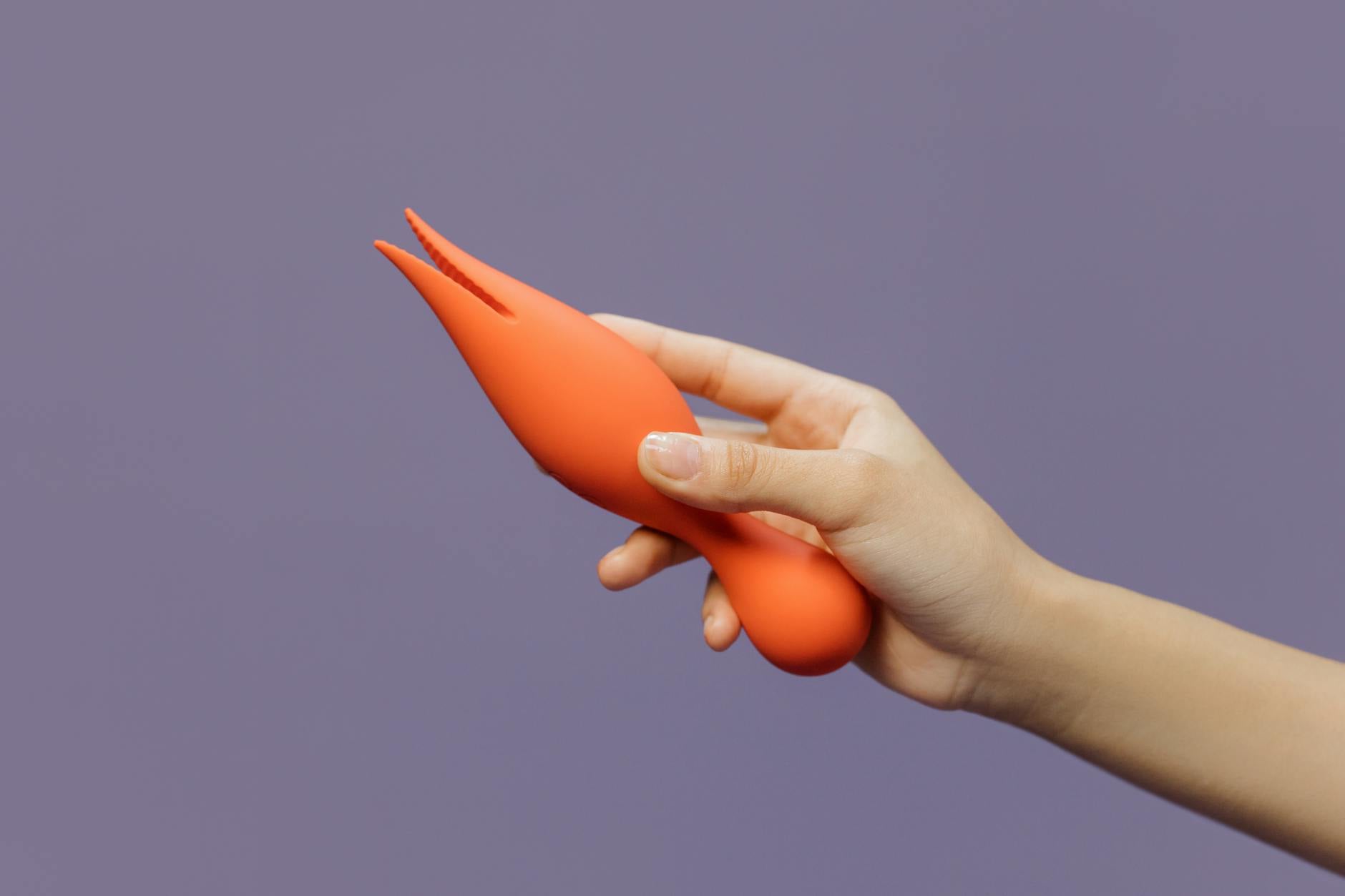
Let's be real. Menopause changes how your body responds to stimulation. It doesn't change your right to pleasure, or your capacity for it. But it does mean the approach you've maybe used for decades might need tweaking.
If you're exploring a lemon clitoral vibrator like the Lem for the first time after menopause, or you've used one before and things feel different now, you're in exactly the right place. I'm going to walk you through the practical adjustments that actually work.
Why lemon vibrators work so well post-menopause
Here's the thing about air-suction clitoral vibrators like Hello Nancy's Lem: they work through gentle pressure waves rather than direct friction. After menopause, when tissue thins and becomes more delicate, that distinction matters wildly. Traditional vibrators create vibration through rapid buzzing, which can feel overwhelming or even uncomfortable on more sensitive tissue. A lemon sucker uses gentle pulses of air to create suction and release, which stimulates your clitoris without the same mechanical pressure.
This isn't a workaround. It's actually often more effective. Many people find their most powerful orgasms come post-menopause, partly because they finally have permission to explore what they actually want instead of what they thought they should want.
The other reason lemon vibrators perform so well for post-menopausal bodies is simplicity. You're not managing vibration patterns or overthinking settings. It's intuitive, which means you can focus on sensation instead of troubleshooting.
Starting slow, the right way
When you first use your Lem or any clitoral vibrator after menopause, assume your body needs longer to wake up. Arousal takes time. Budget twenty to thirty minutes before you even turn anything on.
Start with external stimulation. Use a water-based lubricant and your fingers to explore your outer labia and clitoral area. Pay attention to where feels good right now. That map might have shifted, and that's completely normal. Your nervous system hasn't changed, but the way sensation travels across your skin has.
Once you're genuinely aroused (you'll know because blood flow increases and tissue engorges slightly), introduce your Lem at the lowest setting. If your toy has numbered intensities, start at one or two. Most people assume they want to jump to maximum power. That's backwards. Low intensity lets you feel what's actually happening instead of just chasing an orgasm.
Position the opening of the suction cup directly over your clitoris. You don't need to press hard. In fact, lighter contact often feels better. Let the toy sit there for a moment and feel the pulse. If it's comfortable, stay with that setting for a few minutes. If it feels too strong, back off.
Building intensity without rush
After menopause, intensity builds differently. You might not feel the dramatic mounting arousal you experienced before. That doesn't mean something's wrong. Your nervous system is still firing. The sensation is just less sharp, sometimes more diffuse. This can actually feel really good if you stop expecting the old sensation and let yourself feel the new one.
Once you've spent a few minutes at the lowest setting, you can gradually increase. Move to setting three or four. Notice what changes. Does the sensation feel sharper, or just more consistent? Some post-menopausal bodies respond beautifully to staying in a medium range for longer instead of escalating quickly.
If you're with a partner, this is a good moment to let them know what you're discovering. Not performance feedback. Just information. "I'm finding I like this setting better than maximum" or "I need longer warm-up time now" is useful data that helps both of you.
One thing I tell my clients: if you don't orgasm, that's not a failure. Post-menopausal bodies sometimes shift toward longer builds and different-feeling orgasms. Some people experience multiple gentle peaks instead of one dramatic one. That's not worse. It's just different.
Lubrication is non-negotiable
After menopause, natural lubrication decreases. This is straight physiology, nothing to do with desire or attraction. Your clitoral tissue is still incredibly responsive. It just needs external moisture.
Use a water-based lubricant. Not silicone. Silicone lubes feel richer and last longer, but they can damage silicone toys, which is what most quality clitoral vibrators are made of. Water-based lubes are thinner, but they're safe for every toy material and your body absorbs them naturally.
Apply it generously. More is genuinely better here. Reapply midway through if it starts to dry. You're not being excessive. You're being smart. The lemon clitoral vibrator or any air-suction toy works best when there's good contact with your skin, and lubrication makes that easier and more comfortable.
If standard lubricant doesn't feel slick enough, ask your gynecologist about hyaluronic acid-based lubes. They feel more natural and absorb at a slower rate. Some people also benefit from a vaginal moisturizer used daily, which increases systemic hydration in that area.
Managing sensation changes
After menopause, some people report that direct clitoral stimulation feels too intense. This is because the clitoris is still there and functional, but the tissue around it has thinned, making it more exposed and sometimes more tender. If you experience this, you have options.
First, try stimulating through the clitoral hood instead of directly on the glans. Position your lem or vibrator slightly higher, where you're creating sensation through the protective tissue rather than directly on the most sensitive spot. Many people find this feels amazing and gives them more control.
Second, reduce time on any one setting. Instead of spending ten minutes at one intensity, spend three minutes, take a break, then return. Your tissue doesn't fatigue this way, and the sensation stays pleasurable.
Third, combine clitoral stimulation with other types of touch. Use your other hand on your breast, your thigh, your inner arm. Your body's pleasure map expanded post-menopause, even if the culture hasn't caught up to that fact. A lemon clitoral vibrator is amazing, but it's most powerful when it's part of a larger experience, not the whole event.
The emotional piece is as real as the physical one
Here's what I see in my practice constantly: people blame menopause for pleasure changes that are actually about partnership shifts or life stress or grief about aging. Menopause is real and physical. But it's also convenient shorthand for "my body is changing and I don't like it," which is sometimes true and sometimes a mask for something deeper.
If you're exploring a lemon vibrator after menopause, pay attention to your own mind too. Are you bringing curiosity, or are you bringing performance pressure? Are you doing this because you want to, or because you think you should?
The people I work with who have the most pleasurable post-menopausal sex lives aren't the ones who push through discomfort. They're the ones who got curious about what felt good now, let go of the template from before, and built something new. That takes time. But it's worth it.
Practical troubleshooting
If your lem vibrator or any clitoral vibrator doesn't feel like much when you first use it, don't panic. You might need more warm-up time. You might need more lubrication. You might need to adjust positioning. You might need to accept that this particular toy isn't your thing and try a different Hello Nancy toy instead. All of that is normal.
If you experience pain, stop. Pain is not normal and not something to push through. Talk to your gynecologist about genitourinary syndrome of menopause, which is treatable with topical estrogen or other interventions.
If you experience loss of sensation in your clitoris, that's unusual enough to mention to a doctor. It can happen with certain medications or underlying conditions.
Most of the time though, you're just adapting to a new normal. That takes patience and gentleness with yourself. You deserve that.
When to try a clitoral vibrator if you haven't yet
If menopause has made your pleasure feel like something you're chasing instead of something you experience, a clitoral vibrator might be exactly what resets that. Why? Because air-suction toys like the Lem create sensation in a completely different way than fingers, partner stimulation, or traditional vibrators. Sometimes that fresh stimulus is exactly what your nervous system needs to wake up again.
There's no age limit on pleasure. There's no timeline for when your body should stop responding to touch. Menopause doesn't have a mercy rule. What it does have is possibility, if you're willing to explore it without shame or apology.
Your post-menopausal body is not a downgrade. It's a different version of the same capable, responsive self. A lemon clitoral vibrator, used thoughtfully, is just a tool for learning who that self is.
FAQ: Your most asked questions
Is it safe to use a clitoral vibrator after menopause?
Completely. In fact, vibrators and clitoral stimulation can improve blood flow to your genital tissue, which actually supports health post-menopause. The only caution is if you have active vulvovaginal pain or genitourinary syndrome of menopause. If that's your situation, check with your gynecologist before using any toy, because you might benefit from topical treatment first.
Can a lemon vibrator help with vaginal dryness?
Vibrators don't treat dryness itself, but they do encourage blood flow and arousal, which increases natural lubrication. Using a toy as part of your sexual routine can be part of a broader wellness approach. That said, if dryness is significant, talk to your doctor about vaginal moisturizers or topical estrogen, which are highly effective and safe.
How long should a post-menopausal session with a clitoral vibrator last?
There's no right answer. Some people find ten minutes is perfect. Others like thirty. Pay attention to what feels good, not what you think should feel good. If you're consistently not reaching orgasm and that bothers you, try extending your session and building arousal more slowly before you introduce the toy.
Should I use my lemon vibrator solo or with a partner?
Both work beautifully post-menopause. Some people find solo use helps them learn what they want without performance pressure. Some find partnered use brings them closer. If you're using it with a partner, I'd suggest exploring it alone first so you know what you like. Then you can show them, which removes a lot of guesswork.
What if I still don't feel much after trying?
A few things to try: longer warm-up time, more lubricant, a different intensity setting or toy altogether, or a conversation with your gynecologist about whether something like vaginal dryness or hormonal changes needs addressing first. Sometimes pleasure needs support from multiple directions. That doesn't mean you're broken. It means your body is asking for a more complete approach.
Does menopause permanently change orgasms?
It changes how they feel, not whether they're possible. Some people report more intense post-menopausal orgasms. Some report gentler ones. Most report they're genuinely good, just different. The best part? You get to relearn what feels amazing without decades of expectation weighing you down.
Your pleasure matters. After menopause, it matters even more because you've earned the time and space to actually prioritize it. A lemon clitoral vibrator is just one way to honor that.
When you're ready to explore this, start here with our beginner guide. Or if you want to understand more about why lemon vibrators work better for sensitive tissue, that's a deeper dive worth taking.
You deserve pleasure that feels good in your body right now. Not the body you had. Not the body you think you should have. This one.
References & Sources
This article draws on clinical research in genitourinary syndrome of menopause, pelvic health, and sexual function post-menopause, as well as expert guidance from certified sex educators and gynecologists specializing in midlife sexual health. For personalized medical advice, consult your healthcare provider.