Let's talk about the elephant in the room
Antidepressants save lives. They also sometimes make orgasm harder to reach. Both things are true. And weirdly, nobody talks about the second part until you're already taking them and wondering if you've lost something permanently. You haven't. But your nervous system has shifted, and that means your pleasure pathway has shifted too.
I work with couples and individuals navigating this all the time. The pattern is always the same: guilt, confusion, a sense that something broke. Then relief when we figure out it's not broken, just different. A lemon clitoral vibrator can be part of how you rebuild that connection to sensation, but first you need to understand what's actually happening in your body.
How SSRIs and SNRIs change arousal
Most antidepressants work by increasing serotonin in your brain. Serotonin is great for mood stability. It's also a bit of a pleasure dampener, especially in the sexual response cycle. Here's the chain reaction: higher serotonin can delay or blunt the signals your nervous system sends during arousal. Your brain gets less urgent feedback about touch, stimulation, and building sensation.
That's not a personal failure. That's chemistry.
The specific impact varies wildly by drug and by person. Some people on SSRIs notice zero change. Others find that orgasm becomes difficult or requires way more stimulation than before. Some report that sensation feels muted, like you're touching the pleasure through a layer of glass. Others say the time to orgasm stretches from five minutes to thirty.
The good news: sexual side effects from antidepressants are manageable, and they're definitely not a reason to stop taking medication that's keeping you well.
Why a lemon vibrator helps differently
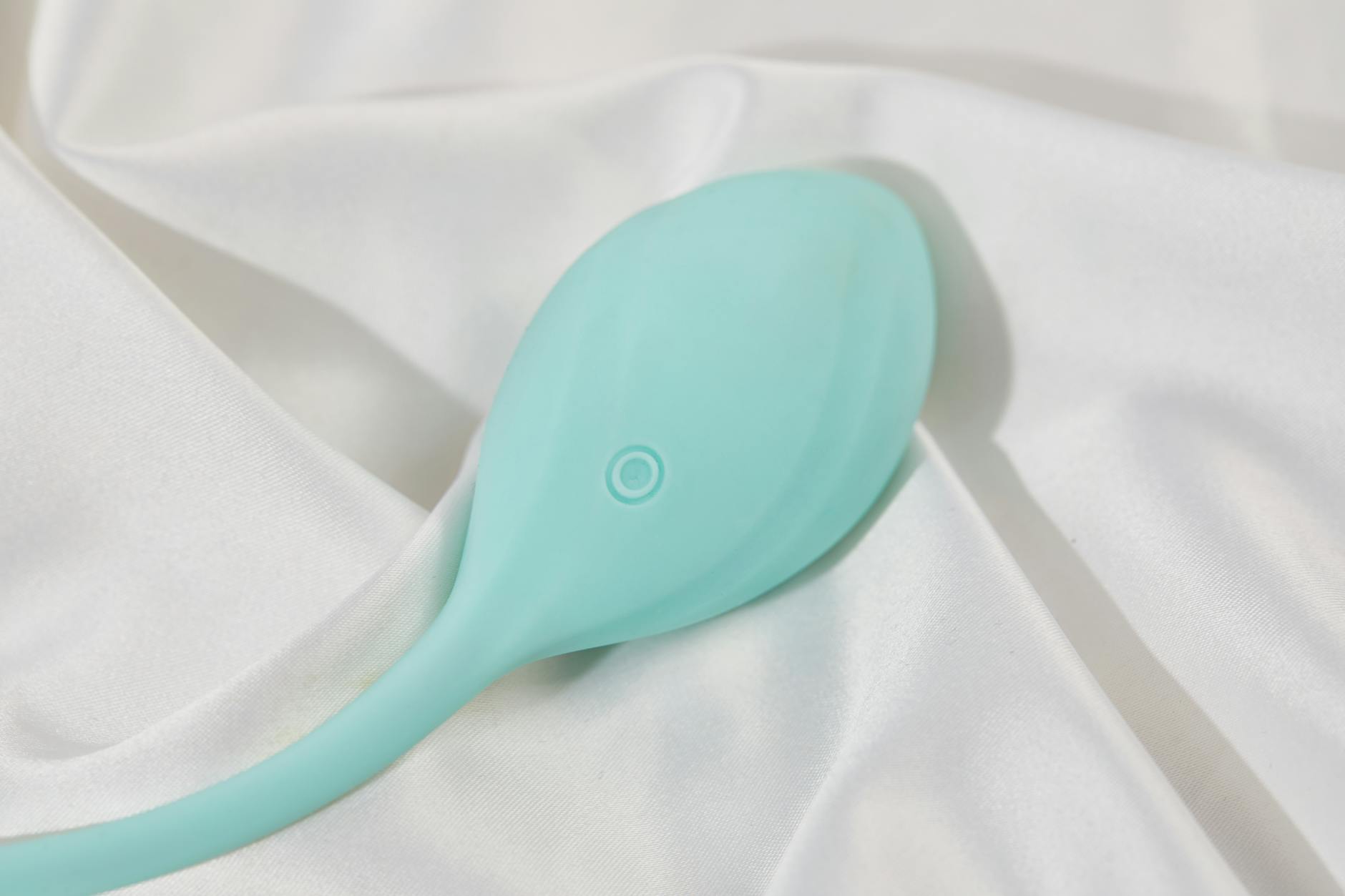
A lemon clitoral vibrator works through suction and pulsation rather than direct friction. This matters because your medication-shifted nervous system responds better to patterns and intensity changes than to sustained pressure. The suction pattern of a lemon vibrator creates rhythmic stimulation that can bypass some of the dulling effect SSRIs cause.
Think of it like this: your nervous system under SSRIs is like a radio with the volume turned down. A regular vibrator is trying to get your attention by talking louder. A lemon vibrator is changing the frequency it broadcasts on. The sensation registers differently because the stimulus is different.
I've worked with clients who'd tried conventional vibrators on antidepressants and hit a wall, then found that a lemon clitoral vibrator reconnected them to sensation in weeks. Not because the toy is magic. Because the pattern of stimulation actually works better with how their brain is currently processing pleasure.
Start with your medication timing
This is the tactical part that nobody mentions until it's too late. SSRIs peak in your system at different times depending on the drug and when you take it. If you take your medication at breakfast, your serotonin levels are highest in the evening. If you take it at night, you might have a window of slightly lower serotonin in the morning.
I'm not suggesting you skip doses or adjust timing without talking to your doctor. But being aware of your medication's rhythm helps you understand your own body better. Some people find that pleasure is easier to access at certain times of day. Track that for a week. Notice patterns.
You might also discover that you feel more sensation on days you've slept well or have lower stress. Because stress and serotonin interact. Again, not something you control, but something you can work with instead of against.
The warm-up becomes essential
Unlike people using lemon vibrators without medication, you'll likely need longer foreplay. Your body is slower to build arousal. This is not a downside if you shift your mindset about it. It's permission to spend more time on sensation, on touch, on building slowly.
I recommend a solid 20-30 minute warm-up before using a lemon clitoral vibrator. That includes non-genital touch. Your medication has dulled sensation everywhere, not just genitally. Shoulders, neck, inner wrists, behind the ears. These areas still have nerve density and can help your nervous system wake up.
Then move to genital touch without the vibrator. Hand, fingers, or a partner's touch. Spend time there. Let arousal build on its own for five to ten minutes before you introduce the lemon vibrator. This primes your nervous system to receive the more intense stimulus.
Pattern mode matters more than intensity
Most people reach for the highest setting on a vibrator. With antidepressants, that's often counterproductive. Your nervous system is working harder to register sensation, but going straight to maximum intensity actually fatigues it faster.
Start at pattern one or two on your lemon vibrator. Spend two to three minutes there. Let your body adjust. Then move up. You're building a chain of escalating stimulus, not jumping to the end.
Many people on SSRIs find their sweet spot is actually a mid-range pattern, not the highest. Your goal isn't intensity for its own sake. It's cumulative sensation that builds toward orgasm. Patterns that pulse or vary give your nervous system something to respond to, rather than flat, constant stimulation.
Check in with your prescriber
Here's the honest part: if you've been on antidepressants for months and still have zero sexual sensation or zero interest, that's worth mentioning to your doctor. Sexual side effects are one of the reasons people stop taking antidepressants, so your prescriber actually wants to know.
There are options. Dose adjustments sometimes help. Switching to a different antidepressant class can shift the impact. Adding a second medication that counteracts sexual side effects is sometimes prescribed. Timing adjustments (taking the medication after sex instead of before) work for some people.
None of these changes your mental health treatment. They just make your medication schedule work better for your whole life, including pleasure.
What about adding a partner to the picture
If you're partnered, this conversation matters. Your partner needs to understand that slower arousal and lower sensation aren't about attraction or desire. They're about your nervous system's current chemistry. That's a relief to a lot of partners, actually. It removes the layer of "am I doing this wrong" and puts it where it belongs: in physiology.
Many couples find that using a lemon clitoral vibrator together actually strengthens connection because it gives them something to focus on collaboratively. There's less pressure on your partner to generate sensation manually. You're both participating in a strategy that works.
When it gets better
The tricky part about antidepressants and sexuality is that the timeline is unpredictable. Some people adjust within months. Others find their groove takes a year or more. Your body slowly recalibrates, and pleasure often comes back, just on a different schedule than before.
While you're waiting, a lemon vibrator keeps you connected to sensation. It's not a replacement for your medication. It's a tool for pleasure while your nervous system adapts. And honestly, many people find that once they've learned to use a lemon vibrator skillfully, they prefer it even after their arousal normalizes.
Frequently asked questions
Can I use a lemon vibrator if I'm on multiple antidepressants?
Yes. If you're on a combination of medications (common for moderate to severe depression or anxiety), the principles stay the same. Your overall serotonin load is higher, so sensation might be more muted. Start slow, build gradually, and give your body time to respond. If you're on multiple psych meds, definitely mention sexual side effects to your prescriber, since there might be optimization options.
Do different antidepressants affect pleasure differently?
Absolutely. SSRIs (like sertraline or fluoxetine) tend to cause the most sexual side effects. SNRIs (like venlafaxine) sometimes have slightly less impact. Bupropion actually tends to improve sexual function for some people. Tricyclic antidepressants are older but often have fewer sexual side effects. Your specific drug matters. If sexual function is a huge priority for you, that's worth discussing with your doctor when choosing or adjusting medication.
Will my sensation come back if I stop the medication?
Maybe, and maybe not the same way. Here's the thing: your brain chemistry has shifted. Some people's sexual response bounces back immediately after stopping an antidepressant. Others find it takes weeks or months. And a lot of people decide that stable mental health is worth the trade-off, so they stay on the medication and get better at working with the pleasure shift. That's a valid choice too.
Can I take anything to counteract the sexual side effects?
Yes, sometimes. Some prescribers add medications like bupropion or buspirone to counteract SSRI sexual side effects. Others suggest timing adjustments. Some people take a "drug holiday" (skipping a dose before sex), but that's risky and shouldn't be done without doctor approval. Talk to your prescriber about what's safe for your specific situation.
Does using a lemon vibrator more often help sensation come back faster?
Not necessarily faster, but regular use does keep your nervous system engaged with pleasure. It's like physical therapy for arousal. You're maintaining sensation even when everything feels muted. That's valuable for your mental health and self-image, not just your sexual response. Use a lemon vibrator because it feels good, not because you're trying to "fix" yourself.
What if I still can't orgasm even with a lemon vibrator?
That's worth a conversation with your prescriber or a sex therapist who understands medication-related sexual side effects. Sometimes the issue is medication. Sometimes it's stress, relationship dynamics, or disconnection from your own body. Sometimes it's a combination. A professional can help you figure out which piece is which. There's no shame in asking for help with this. It's as legitimate as asking for help with any other health issue.
The real story
Antidepressants change your sexual response. A lemon vibrator doesn't erase that change. What it does is give you a way to work with your body as it is right now, not as you wish it were. That's not settling. That's strategy. And honestly, a lot of people find their best sexual experiences happen when they stop fighting their body's current chemistry and start working with it instead.
Your mental health matters. Your pleasure matters too. They're not in competition. You deserve both.