The thing nobody tells you about sensation lag
Your body used to respond quickly. A touch, a thought, a few minutes of foreplay and you were ready. Now it's like your pleasure operates on a delay. You feel stimulation happening, but the signal takes a while to land. Or it lands somewhere softer than it used to. This isn't broken. It's not unusual either. But it's real, and it changes what works.
Here's what I see in my practice: people assume sensation numbness means they're past it. They're not. It usually means their nervous system needs a different kind of invitation. A lemon clitoral vibrator, used strategically, can be exactly that invitation.
What causes sensation delay in the first place
There are several common culprits. Stress and anxiety are the biggest. When your nervous system is stuck in low-level alert mode, arousal signals get crowded out. Your brain is doing threat-detection work instead of pleasure work. Add in sleep deprivation, medication (especially antidepressants and blood pressure drugs), hormonal shifts, or just years of rushing through sex, and sensation narrows further.
Sometimes it's physical. Nerve endings become less responsive over time, especially if you've been using the same touch for years. Your body adapts. Sensation needs novelty to wake up again.
The good news is that this is one of the most responsive issues I see. Small changes in approach, tools, and timing create noticeable shifts in weeks.
Why lemon vibrators work differently for delayed sensation
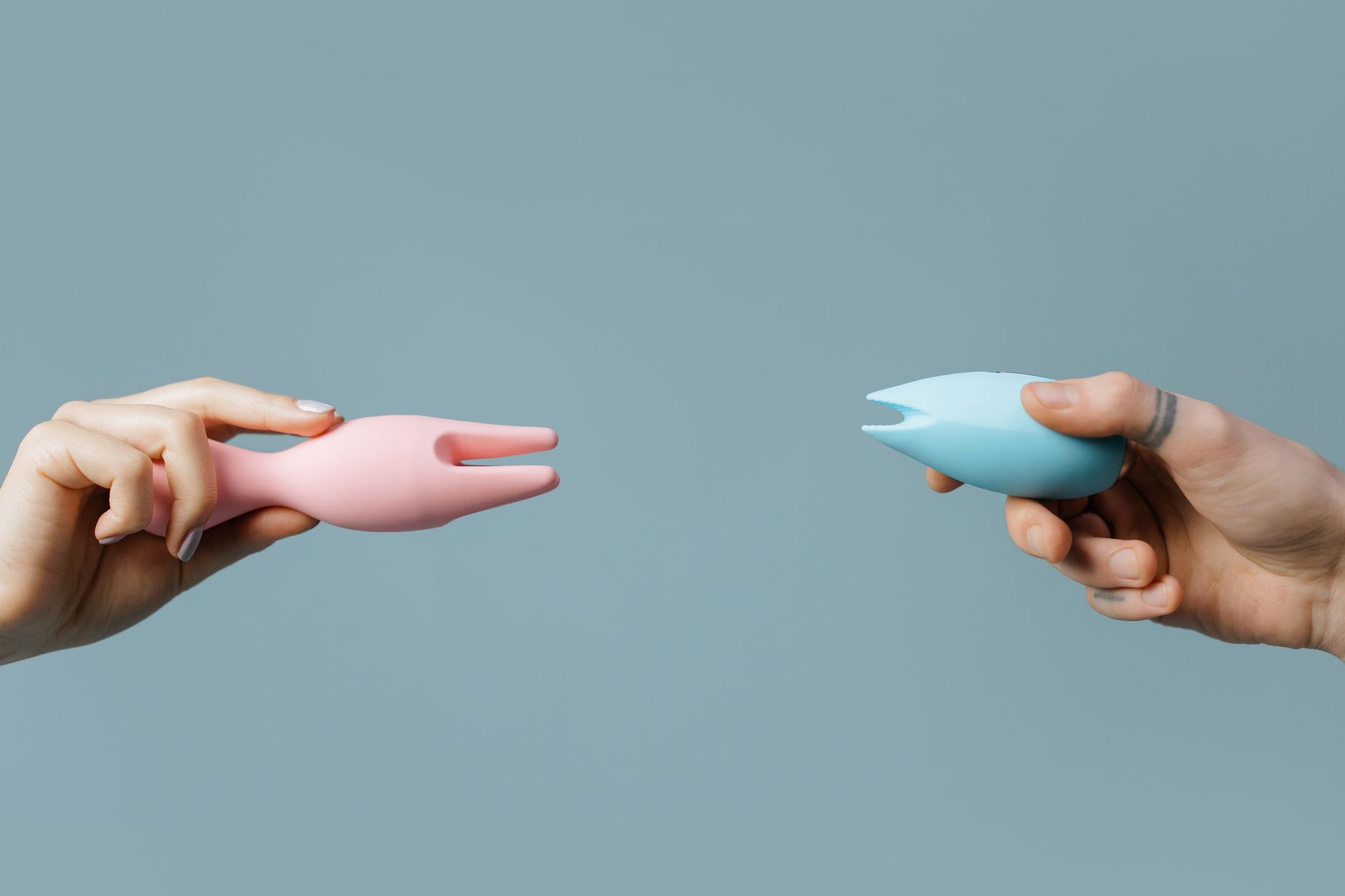
A lemon sexual toy (or more specifically, a lemon clitoral vibrator) uses suction combined with vibration. This matters because suction engages nerve endings through a completely different pathway than vibration alone. It's not just stimulation that's being delivered. It's a rhythmic pressure that creates a sensation your body might recognize as unfamiliar enough to pay attention.
When sensation feels muted, what you're often dealing with is habituation. Your nervous system has gotten good at screening out familiar input. A lemon vibrator introduces what therapists call "pattern interrupt." It's novel enough to break the screening.
The suction element also allows for longer, more sustained stimulation without the fatigue that comes from traditional vibration. You can build sensation gradually, which matters when arousal is slow to arrive.
Start with lower-intensity patterns
If you're new to using a lemon clitoral vibrator when sensation feels delayed, begin on the lowest setting. I'm serious about this. Your instinct will be to go harder, thinking intensity will override numbness. It won't. What it will do is tire your nerve endings out faster and create frustration.
Lower intensity actually trains your nervous system to pay attention to subtler input. You're building sensitivity back in, not forcing it. Spend at least 5-10 minutes at pattern 1 or 2. Notice what you notice. Temperature changes, subtle pressure shifts, micro-sensations you might normally skip over.
If nothing registers after 10 minutes, move up one level. Not to maximum. Just one level.
Extend your timeline
When arousal feels delayed, most people compensate by rushing. Worse decision possible. Rushing creates pressure, which creates tension, which makes sensation even harder to access.
Instead, flip the timeline. Allocate 30-45 minutes instead of 15. Spend the first 10-15 minutes on non-genital touch. Hands, lips, breath. Let your nervous system begin the shift from alert to present before you introduce the lemon vibrator. This isn't wasted time. It's the actual work.
Then spend 15-20 minutes with the vibrator, moving slowly through patterns. Many people report that sensation "clicks" somewhere in that deeper time investment. Not because the tool is doing something magical, but because the nervous system has finally settled enough to receive input.
Layer in breath and awareness work
Here's something that sounds woo-adjacent but is actually neurology: breath changes where blood flows and which parts of your nervous system are active. When arousal is delayed, shallow breathing is usually happening. Your body is in a low-level fight-or-flight state without you realizing it.
Before using your lemon clitoral vibrator, spend two minutes on intentional breath. Slow inhale through the nose for a count of four, exhale through the mouth for a count of six. This activates the parasympathetic nervous system. It tells your body it's safe to feel. It's the opposite of rushed.
Then, while using the vibrator, notice where sensation actually registers in your body. Not where you think it should. Where it actually is. Some people find sensation stronger in the thighs or lower belly than in the clitoris itself, especially early on. That's not wrong. Follow that sensation. The neural pathways are still there. You're just remapping where you're paying attention.
Use a partner (or not) strategically
If you have a partner, delayed sensation can feel like rejection. It's not. It's a nervous system that needs a different setup.
If you're using a lemon vibrator solo, you have complete control over pace and intensity. No pressure to perform or wrap up. That removal of pressure alone shifts arousal significantly for many people. Let yourself have that.
If you're with a partner, tell them what you're doing. "I need to use this tool solo first, with no time pressure, so I can feel what I actually feel." Then report back. "I noticed sensation took about 15 minutes to really land. Can we rebuild that into our time together?" This prevents resentment and gives you both useful information.
The medication conversation
If you're on an SSRI, certain blood pressure medications, or antihistamines, numbness isn't about your lemon clitoral vibrator or your technique. Those medications genuinely dampen sensation. Worth knowing.
Talk to your prescriber. Sometimes a slight dose adjustment, a change in timing (taking the medication at a different hour relative to sex), or switching to an alternative helps. Sometimes it doesn't. But at least you're not blaming yourself for a pharmacology problem.
In the meantime, a lemon clitoral vibrator can help you work around it. The stronger sensory input of suction-plus-vibration sometimes breaks through where lighter touch can't.
Give it time (real time)
Sensation rewiring isn't instant. Three weeks of consistent practice usually shows meaningful shifts. Six weeks shows significant ones. I'm not asking you to use a lemon vibrator every day. Three to four times a week, with the setup described above, is enough to create nervous system change.
Track what's shifting. "Sensation landed in minute 12 instead of minute 20." "Intensity level 3 felt like enough this time." Small data points add up to a clear picture of your body remembering how to turn on.
People also ask
Can delayed sensation mean my nerve endings are permanently damaged?
Not usually. Temporary sensation changes are more common. Your nervous system is plastic. It changes based on input, stress, attention, and habit. Absent actual nerve damage (which presents differently. usually with pain), sensation responds to the right environment and tools. A lemon clitoral vibrator combined with the techniques above rewires this surprisingly often.
Why does sensation feel stronger in some parts of the vulva than others?
The clitoris has about 8,000 nerve endings concentrated in the glans and shaft. But the entire vulva is sensitive. When arousal is delayed, some areas "wake up" before others. You might notice sensation in your labia or the entrance to your vagina before your clitoris. That's not wrong. Follow it. Using a lemon sucker in broader strokes across different areas can help you map where you're actually sensitive right now.
Is delayed sensation the same as loss of libido?
No. Loss of libido is about desire. Delayed sensation is about nerve response. You can want sex, be mentally into it, and still have sensation take time to arrive. This distinction matters because the fixes are different. If it's desire that's missing, look at stress, relationship dynamics, and hormone levels. If it's sensation, look at nervous system state, tool novelty, and timeline. A lemon vibrator addresses the sensation piece.
How long should I wait between sessions if I'm noticing numbness?
Three to four times a week gives your nervous system enough practice to retrain without overloading it. If you're going daily, you might actually be deepening habituation. Less frequent, more intentional use rewires faster. Quality over frequency.
Should I use lube with a lemon clitoral vibrator if sensation feels numb?
Yes, always. Lube reduces friction and allows the suction element of the vibrator to work more effectively. It also removes the distraction of discomfort. When sensation is already delayed, you don't want friction competing for attention. Water-based lube is your safest bet with any adult toy.
Can I use a Lem vibrator while also working with a therapist on arousal?
Absolutely. Sensation numbness often has psychological roots. Therapy addresses the root. The vibrator is the tool that helps your body practice the response you're rebuilding. They work together. Many of my clients do both and report that the combination creates faster, more durable shifts than either alone.
What's actually happening when sensation comes back
When you start noticing "oh, I felt that," or "that took less time," your nervous system has moved back into a state where it can receive pleasure signals. You're not broken. You never were. You just needed a reset. A lemon clitoral vibrator, used with patience and the right timing, gives your body permission to feel again.
If sensation remains significantly muted after six to eight weeks of consistent practice with these techniques, that's worth mentioning to your doctor. But most people report meaningful shifts much sooner.
Start small. Give yourself time. Use your lemon vibrator as the conversation starter between you and your body, not as the destination. The destination is you, fully present and awake to pleasure again. That's worth the investment.
Ready to explore what works for your body? Get in touch if you want to talk through your specific situation.