Here's the thing nobody tells you about vibrators
Not every setting works for every body. That sounds obvious until you're actually using a lemon vibrator and wondering if you're doing it wrong because the pattern that worked for your friend does absolutely nothing for you. You're not broken. Your clitoris is just different from hers, and that difference matters way more than marketing would have you believe.
The design of clitoral vibrators like the Nancy Lem vibrator matters. But how you use it matters more. Your body type, clitoral structure, sensitivity baseline, and even where you are in your cycle all shift which settings actually deliver what you're looking for. This is the framework I use to help clients find their sweet spot.
Why your body type changes everything
Clitoral anatomy varies wildly from person to person, even though nobody really talks about it. Some people have a clitoris that sits higher under the hood. Others have more exposed tissue. The same goes for clitoral glans size (yes, it varies as much as any other body part), shaft length, and the density of nerve endings near the surface.
Why does this matter for a lemon vibrator? Because suction-based toys work through a combination of pressure and rhythm. If your clitoris is deeply hooded, a gentle suction pattern might feel like nothing. If your tissue is sensitive and close to the surface, that same setting might feel overwhelming.
The way to think about it: a lemon vibrator's job is to create stimulation through suction and vibration. Your body's job is to receive that stimulation in a way that feels good. When those two things aren't aligned, you end up with either numbness or overstimulation. Neither is fun.

Photo by cottonbro studio on Pexels
Reading your own anatomy
Before you even turn on your lemon clitoral vibrator, spend a few minutes with your hand. This isn't about getting aroused yet. It's about understanding what you're working with.
Lie down in a comfortable position. Use a mirror if that helps you see what's actually there (most people have never really looked). Gently touch your clitoris with a fingertip. Notice where it is in relation to your vulva. Does it sit far back under tissue, or is it more exposed? How sensitive is it to light touch? Does direct pressure feel good or does it feel uncomfortable?
This five-minute self-survey tells you more than any quiz ever could. You're essentially learning whether you're a "high hood" person (clitoris sits back, needs deeper suction to make contact), a "shallow" person (clitoris sits forward, responds better to lighter touch), or somewhere in the middle.
People with high hoods often find that lower suction settings (levels 1-3 on most lemon vibrators) don't create enough sensation. They need levels 4-6 or sustained suction patterns to feel anything at all. People with shallow or exposed anatomy sometimes find that anything above level 3 feels like too much pressure too fast.
Sensitivity variance (it's not just in your head)
Clitoral sensitivity exists on a spectrum, and it's not a permanent fixed point. Right now, sensitivity depends on a bunch of things happening all at once.
Hormonal baseline. If you're on hormonal birth control, your baseline sensitivity might be lower than someone not using it. Testosterone is a major player in clitoral sensitivity for everyone, and hormonal contraceptives can suppress it. How to Use a Lemon Vibrator When Desire Returns After Hormonal Shifts goes deeper into this, but the short version is: if you're on hormonal BC and certain settings feel weak, you might need a higher intensity than you'd expect.
Arousal level. A clitoris that's well-aroused has more blood flow, is slightly engorged, and has more nerve sensitivity than a barely-aroused clitoris. Starting at a low setting and building up isn't just about being gentle. It's about waiting for your body to warm up and become more responsive. Patience is a setting.
How long it's been. If you haven't had much clitoral stimulation for weeks or months, your sensitivity might feel different than it did when you were using a lemon vibrator regularly. That's real. Your nervous system adapts. The good news is that consistent use over a week or two usually restores baseline sensitivity.
Stress and nervous system state. This is massive and almost never addressed in toy guides. If your nervous system is running on high alert (stress, anxiety, rushing), your clitoris will likely feel less responsive. You'll need higher intensity, or you might need to step back and calm your nervous system first. How to Use a Lemon Vibrator When Anxiety Affects Clitoral Sensitivity covers this in detail, but here's the practical version: if a setting that usually works suddenly feels numb, check whether you're actually in a relaxed state before you blame the toy.
The three main patterns and who they work for
Most lemon vibrators (including Nancy Lem vibrators) offer multiple suction patterns in addition to varying intensity levels. Here's how to match them to what your body probably wants.
Steady suction. This is a consistent, unvarying pull. It's the baseline pattern on most suction toys. Who loves it: People who find rhythm distracting, people with shallow anatomy who want steady pressure without the added complexity, people exploring for the first time who want to understand basic sensation before layering in patterns.
Pulsing patterns. The suction increases and decreases in a rhythm. There are usually several rhythms to choose from (slow pulse, medium pulse, fast pulse, wave patterns, etc.). Who loves it: People whose clitoris responds better to rhythm than steady pressure, people with high hoods who need the pulsing to create enough variation to feel interesting, people whose clitoris likes something that mimics manual stimulation.
Wave or escalating patterns. These build intensity gradually or cycle through multiple intensities in sequence. Who loves it: People who like exploring the edge between not-enough and too-much, people whose clitoris gets numb to steady patterns, people who like novelty and variation.
The way to test this is to spend time with each pattern at a setting that feels manageable (not too high, not so low it's completely numb). Spend at least 30-60 seconds with each one. Your body will tell you which one it wants to build on.
Starting where you actually are (not where you think you should be)
Here's where most people go wrong: they start too high because they're worried they won't feel anything, or they start too low because someone told them to ease in gently and they're not actually getting pleasure, so they blame the toy.
The right starting point is individual. For many people, it's level 2 or 3 with a pulsing pattern. But if you've used clitoral vibrators before and found them underwhelming, or if you have a high hood and shallow arousal, you might start at level 4 or 5 with steady suction.
The test: does your clitoris activate within 10-15 seconds? Do you feel a sensation that's interesting but not painful? If yes, you've found your ballpark. If it feels like absolutely nothing, go up one level. If it feels sharp or uncomfortable, go down one level.
Once you find your baseline, that's where you explore patterns. Then, after a few minutes of arousal building, you can move to higher intensities if you want more intensity. But the foundation should always be "I feel something that makes sense to me" not "I think I should feel something." Pleasure is the data. Trust it.
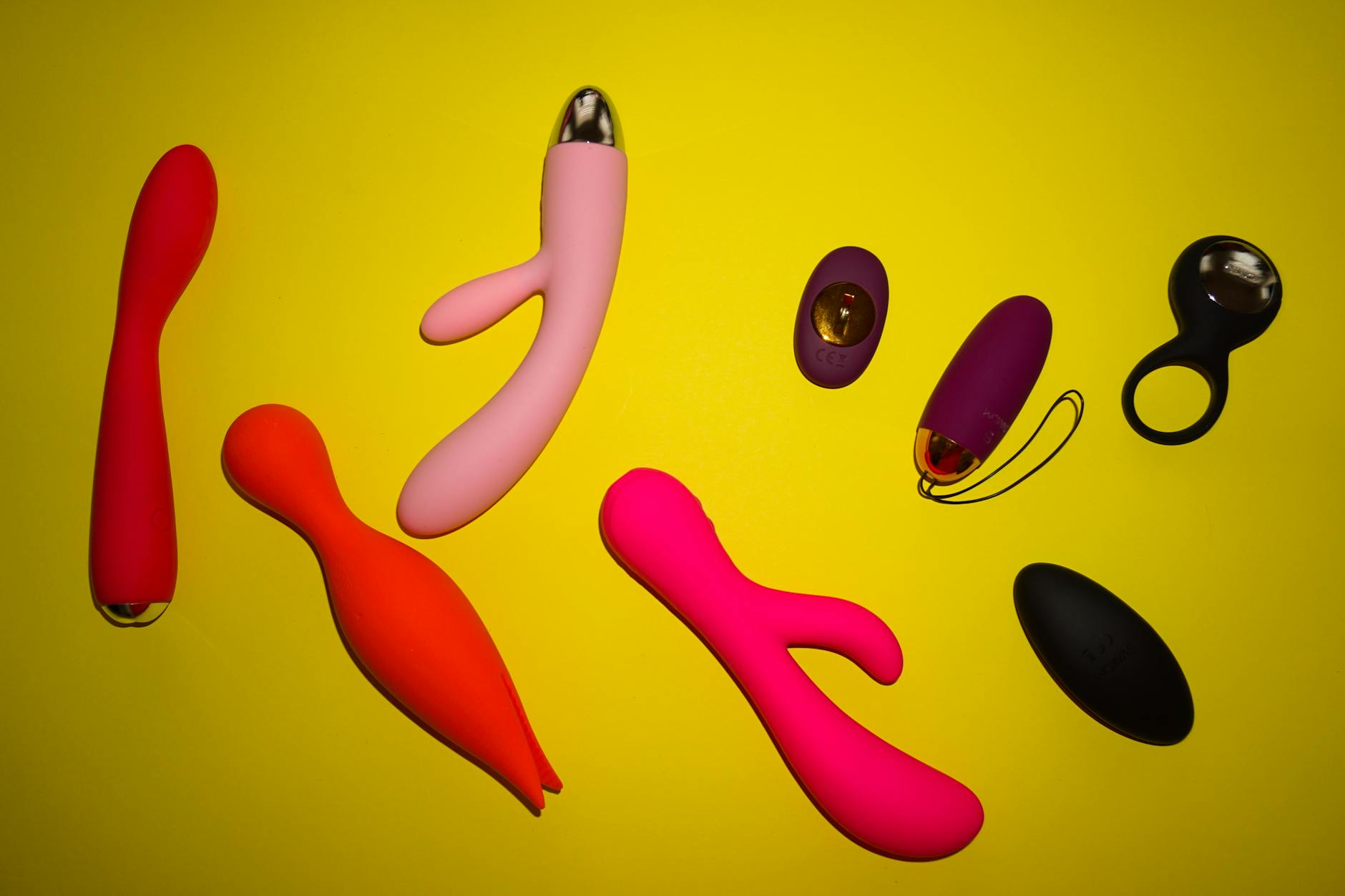
Photo by DRT.fm . on Pexels
What changes when you're using a partner or trying new things
If you've already used a solo lemon vibrator and you're now exploring with a partner, or if you're using a lemon vibrator with a new partner who's never used one, the same anatomy principles apply but with an extra layer: communication.
You know what your body responds to. Your partner doesn't (yet). The generosity here is telling them. Not in a correction way, but in a collaborative way. "I love it when you start at level 2 with the pulse pattern" is information, not criticism. It also speeds up the process of discovering what actually feels good instead of fumbling around guessing.
Some people are shy about this. Worth noting: telling a partner what works for you is more intimate than most people think. It's trust. It's knowing your own body enough to share that knowledge. That's actually the foundation of good partnered sex.
Troubleshooting the common mismatches
"I feel numbness." You're probably starting too high or not spending enough time with the toy. Try dropping two levels and adding 3-5 minutes of warm-up. Or try a pulsing pattern instead of steady. Numbness often means your nervous system is protecting itself from overstimulation, not that the toy is broken.
"It hurts or feels sharp." You're starting too high for your anatomy. Drop the level by 2-3 and make sure you're using water-based lubricant around the toy (not inside it). If it still hurts, your clitoris might benefit from gentler entry into sensation. Spend more time with hands-on touch before introducing the lemon vibrator.
"I feel something but it's not building to anything." You might be at a level that's just outside your responsive range. Try moving up one level. Or check whether you're actually aroused yet (mentally and physically). Pleasure compounds on arousal. Without arousal foundation, even the right setting won't go anywhere.
"It was working yesterday and now it's not." Nervous system state changes. Stress, fatigue, hormones, where you are in your cycle, whether you've eaten, whether you're dehydrated. All of it shifts sensitivity. You're not broken. Your body is just different today. Try starting one level higher or lower and see what works right now.
The setting you think you need versus the setting you actually need
Most people think they need a really high, intense setting to feel something. In reality, most people find their best pleasure in the middle range (levels 3-6 depending on the toy and their anatomy) with a pattern that matches their nervous system.
High intensity is a tool, not a goal. It's useful when you want it, but it's not the mark of success. Some of the most satisfied people I talk to have found their perfect setting and they stay with it. They're not chasing higher and higher intensity. They're chasing consistency and reliability.
Your body knows what it wants. The lemon vibrator is just the delivery mechanism. Your job is to listen carefully enough to figure out what that is, then use the toy to amplify it.
FAQ
How do I know if I need a high-intensity or low-intensity lemon vibrator?
Start by understanding your baseline. Use your hand to touch your clitoris and notice how much pressure feels good. Does light touch create sensation, or do you need firmer pressure? That usually indicates whether you'd prefer a vibrator that maxes out at level 5 versus one that goes to level 10. But honestly, most people benefit from having access to a range. A lemon vibrator with 8-10 levels gives you flexibility to explore rather than locking you into one intensity.
Can my clitoral sensitivity change over time?
Absolutely. Sensitivity changes with hormonal shifts, stress levels, how regularly you're using stimulation, medications you're taking, and life transitions. If your usual setting suddenly feels different, that's data. It usually means something in your body or environment has shifted. Don't assume the toy is broken or that you're broken. Adjust and observe.
Should I use lube with a lemon vibrator?
Yes, always use water-based lubricant on and around the toy (not inside it). Even if your clitoris self-lubricates, adding external lube reduces friction, creates a better seal for suction, and often makes the whole experience feel better. It's not a sign that something's wrong with you.
Is it normal to prefer a certain pattern over others?
Completely normal. Some clitorises respond better to rhythm, others to steady pressure, others to variation. Prefer what you prefer. That's not a limitation. That's information. Use the patterns your body actually wants instead of thinking you should like something you don't.
How long does it take to figure out my ideal setting?
For most people, 3-5 sessions of exploration gets you in the ballpark. After that, it's refinement. Some people find their setting immediately. Others need to experiment across different patterns and intensity levels before it clicks. Both are fine. Exploration is the point.
Can I use the same setting every time or should I change it up?
You can do either. Some people love consistency and stick with one setting. Others like variety and explore different patterns and intensities depending on their mood. There's no rule. Your pleasure is the only metric that matters.