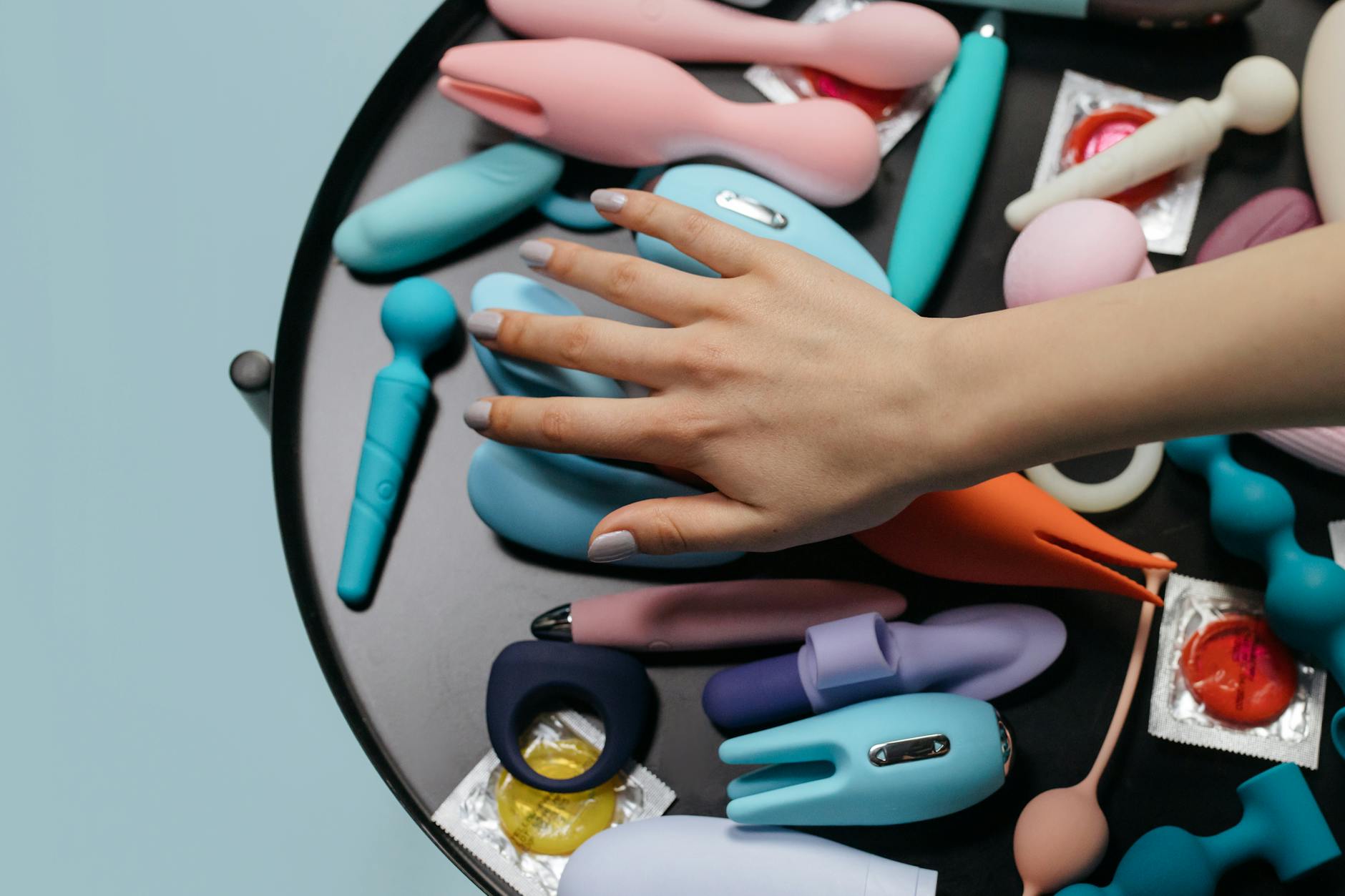
The paralysis is real
Walking into the world of clitoral vibrators for the first time is genuinely overwhelming. There are suction-style lemon vibrators, traditional vibrators, wand vibrators, app-controlled options, silent ones, ones that light up. Brands use language like "dual-stimulation" and "harmonic resonance" to describe what is, fundamentally, something very simple. It's easy to freeze and buy nothing.
Honestly though, most of that anxiety is manufactured. Picking your first lemon vibrator is actually a straightforward decision once you know what questions to ask.
Suction versus traditional vibration: the actual difference
First, the big fork in the road. Lemon sucker technology (air-suction vibrators) and traditional vibrators work in completely different ways, and one will almost certainly feel better to you than the other.
Traditional clitoral vibrators buzz or pulse directly against your body. They've been around for decades. They're familiar. They work well for many people, especially if you like direct, sustained stimulation.
Lemon suction vibrators, by contrast, use gentle air pulses to create a sensation more like oral stimulation. If you've ever enjoyed oral sex, the feeling can be eerily familiar. The suction doesn't just vibrate—it creates a rhythmic pressure change that feels less like buzzing and more like a wave.
Neither is objectively better. But they feel completely different, and your body will have a preference. If you've had strong responses to direct clitoral stimulation in the past, a traditional vibrator might suit you. If you've enjoyed more diffuse, broader stimulation or the sensation of oral play, a lemon suction vibrator could be your match. If you honestly don't know, lemon sexual toys with suction are a smart bet because they're gentler on sensitive tissue and less likely to feel overwhelming on a first try.
Intensity: start lower than you think
Every first-time buyer makes the same mistake. They assume they need maximum power.
You don't. Most of the pleasure from a vibrator comes from the pattern and rhythm, not the raw intensity. A lower setting gives you room to explore sensation without flooding your nervous system. Higher intensity doesn't equal better orgasm—it just equals numb.
When you're shopping, look at vibrators that start at lower intensity levels. Something with 5-10 intensity settings (rather than just 3) gives you finer control. Pattern variety matters more than top-end power. A lemon vibrator with 8 patterns at medium intensity will be more useful than one with 2 patterns and brutal power.
Size and shape: think about access and control
Lemon clitoral vibrators come in a range of sizes, from tiny whisper-quiet pocket toys to full-sized wands. For a first purchase, smaller is usually smarter.
Smaller means easier to control. You can adjust the angle precisely, find the exact spot that works, and use less effort. It's also easier to use during partnered sex without logistical chaos. And quieter toys tend to have smaller form factors, which matters if discretion is a concern.
Shape matters too. Rounded heads are gentler on sensitive tissue than flat or pointed ones. If you're exploring a lemon sexual toy for the first time, a rounded design gives you more forgiving territory to work with.
The quiet factor: seriously underrated
Silence is not a luxury feature. It's a practical one.
A loud vibrator creates anxiety. You're listening for it when your roommate walks by. You're worried about neighbors. That tension travels into your body and sabotages arousal. Quieter vibrators (especially lemon sucker designs) let you relax completely.
If you're buying a lemon adult toy and quiet operation is a feature, that's usually a good sign it's well-engineered. Noise often indicates cheap motors and weaker build quality.
Battery life and charging: the unsexy but essential part
Check the specs. A vibrator that dies after 45 minutes of use is frustrating. Look for something with at least 2-3 hours of battery life, or better yet, rechargeable models that use USB charging (no hunting for specific batteries).
Waterproof construction is also worth considering. It's not just about shower play—waterproof toys are easier to clean and tend to have better seals, which usually means longer motor life.
Material: silicone is your baseline
Body-safe silicone is the standard for good reason. It's non-porous, easy to clean, durable, and inert. If a lemon vibrator is made from medical-grade silicone, that's a solid signal of quality.
Avoid cheap PVC or jelly-like materials if you can. They're porous, they degrade faster, and they can harbor bacteria. Silicone costs more upfront but will last years.
Price point: you don't need expensive
A quality clitoral vibrator (including lemon suction designs) starts around $60-70 and goes up from there. You don't need to spend $150+ on your first toy. Mid-range options ($70-90) give you excellent design, good materials, and features that actually matter.
Expensive doesn't equal better sensation. It usually means more patterns you'll never use, app connectivity you don't need, or luxury branding. For a first purchase, aim for proven designs from reputable brands at a straightforward price point.
Texture and extras: nice to have, not need to have
Some lemon vibrators have textured surfaces. Some have multiple heads. Some sync to music or work with apps. Most of these are marketing flourishes.
You don't need them. Especially for a first toy, simplicity is a feature. A single-function lemon clitoral vibrator with a few intensity levels and good patterns will outperform a complicated multi-function device every time.
The only exception: if you know you like something specific (like a dual-stimulation toy for simultaneous clitoral and internal play), then seek that out. But starting simple means fewer things to figure out and faster path to figuring out what actually feels good.
Testing the waters: start solo
Your first experience with a lemon sexual toy should be without pressure. Alone, relaxed, no performance expectation. This is exploration, not an orgasm guarantee.
Give yourself time. 20-30 minutes of actually present attention, not 3 minutes while scrolling. Take breaks. Let your body respond at its own pace. The first session is about learning what sensation maps where, not achieving a specific outcome.
Many people don't experience significant pleasure until the second or third use. Your body needs permission and practice to relax into a new sensation. If it doesn't click immediately, that's completely normal.
If you're buying for partnered use
There's a difference between exploring a lemon vibrator solo and introducing one into sex with a partner. That conversation deserves its own space—we've written about it in more depth in our guide to how to use a lemon vibrator with your partner without awkwardness.
But the short version: pick something small enough to work during partnered sex comfortably, and have a clear conversation about why you want to introduce it and what you're hoping for. That matters more than any particular feature of the toy itself.
Sensitivity tissue and why lemon suckers are gentler
If your tissue is on the more sensitive side, lemon suction vibrators have a real advantage. They distribute stimulation across a slightly broader area and create a pressure wave rather than focused vibration. This feels less intense initially, which can be exactly what you need to become comfortable with sensation.
You can read more about this in our piece on why lemon vibrators work better for sensitive tissue. The science is straightforward: gentler entry point often means better long-term exploration.
Narrowing it down: the actual decision framework
Here's how to cut through the noise:
Start with two questions. First: do you prefer direct, focused sensation or broader, more diffuse stimulation? That determines suction versus traditional. Second: do you want something pocket-sized or full-sized? That determines portability and control.
From there, filter for silicone, battery life over 2 hours, quiet operation, and a brand with good reviews. Price between $65-$90. That's it. You now have a shortlist of maybe 3-4 options.
Pick the one that appeals to you aesthetically. Honestly. If you like how it looks, you're more likely to actually use it.
The real talk
Your first lemon clitoral vibrator won't be perfect. No first anything is. But if you pick something thoughtfully from a reputable brand, made from good materials, at a reasonable price, you're setting yourself up for actual discovery instead of frustration.
The goal isn't to buy the "best" vibrator. It's to buy something that removes obstacles so you can figure out what you actually like. Everything after that is refinement.
Frequently asked questions
What's the difference between a lemon vibrator and other clitoral vibrators?
Lemon vibrators typically refer to a specific design aesthetic or a particular brand category—the Hello Nancy lemon sexual toys use intuitive air-suction technology rather than traditional buzzing. The key difference is sensation: suction feels more like oral play, while traditional vibration is more direct. There's no universally "better" option—it depends entirely on your nerve endings and what feels good to your body.
Can I use a lemon sucker toy if I've never had an orgasm from sex before?
Absolutely. Many people discover their first orgasm using a vibrator. That's not a flaw—it's a feature. Your body knows what it likes, and sometimes a lemon adult toy is just the tool that lets you find it. There's zero shame in that. Start low intensity, take time, and be patient with yourself.
How often should I use my new lemon clitoral vibrator?
As often as you want. There's no "right" frequency. Some people use vibrators weekly. Some daily. Some a few times a month. Your body won't lose sensitivity or become dependent on vibration, despite what outdated myths suggest. Use it as much as brings you pleasure.
Will a vibrator work better than my partner?
It's not a competition. Vibrators and partners do different things. A vibrator is a tool for specific sensation. A partner brings connection, novelty, and emotional intimacy. Many people find that vibrators enhance partnered sex rather than replace it. They're often best used together, not as alternatives.
Is it normal to feel awkward buying a lemon sexual toy for the first time?
Completely normal. Sexual shame runs deep in most of us. But here's the thing: buying a vibrator is not a moral statement. It's a choice to explore your own pleasure. That matters. The awkwardness usually fades fast once you realize that everybody buys these things, and nobody is judging you for it. If you need an extra boost, remember that Hello Nancy exists because pleasure is worth taking seriously.
Can I use my lemon lem vibrator during partnered sex?
Yes. Depending on the size and shape, many lemon vibrators integrate well into partnered sex. Some people use them during foreplay. Some during penetrative sex for additional clitoral stimulation. The logistics depend on your specific toy and your specific situation. Communication with your partner about where and how makes all the difference.
Final thought
Your first lemon vibrator is an investment in yourself. It's you saying that your pleasure matters enough to be intentional about. That deserves a thoughtful choice, not analysis paralysis or impulse buying.
Pick something that checks the practical boxes, appeals to you visually, and comes from a brand that has your back. Everything else is discovery. And that's the whole point.
If you have questions about a specific toy or want personalized guidance, we're here. Reach out to us anytime.