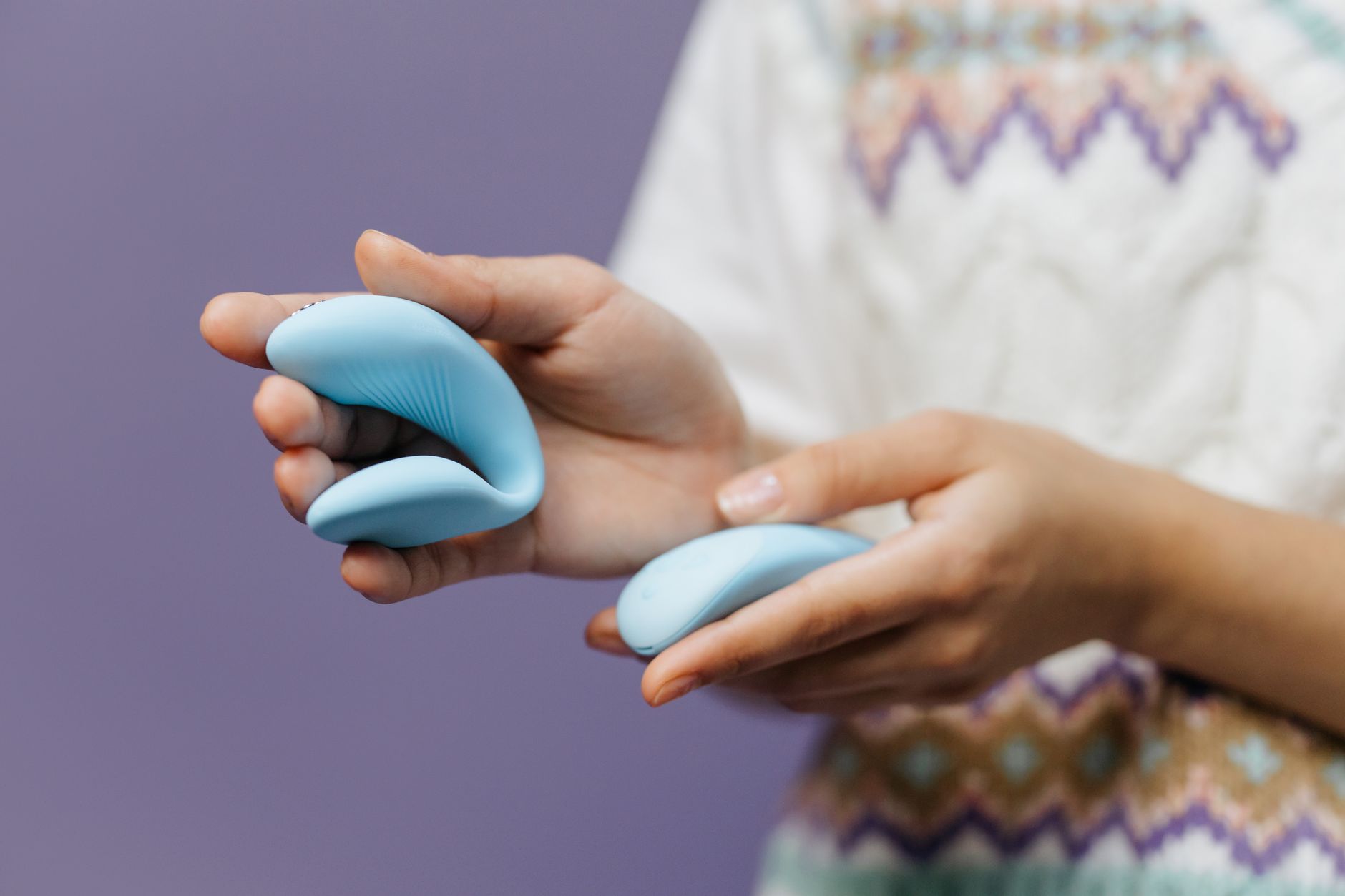
Let's talk about the mismatch nobody wants to admit
One of you is ready to go. The other is thinking about the laundry, or the kids' schedules, or simply doesn't feel like it. This is the desire mismatch that kills more long-term relationships than infidelity ever does. Not because it's insurmountable, but because couples rarely talk about it clearly.
Here's the thing: a lemon vibrator doesn't fix a dead bedroom. But it can transform the conversation from resentment into collaboration. When one partner can access pleasure independently or with minimal physical demand on the other, something unexpected happens. The pressure lifts. And when pressure lifts, desire often returns.
Why desire mismatch happens (and why it's not what you think)
You probably already know the obvious reasons: stress, kids, work, aging, medication side effects. But here's what therapists see that couples don't talk about.
When one partner consistently wants sex more than the other, the lower-desire partner starts to see sex as a demand. Not a choice. Not something fun. A chore they're failing at. Over time, they may avoid it more, which amps up the higher-desire partner's anxiety, which makes the demand feel heavier. The cycle tightens. Fast.
Meanwhile, the higher-desire partner internalizes rejection as "they don't want me," which corrodes confidence. Both people end up feeling rejected, even though neither person is the villain.
A lemon clitoral vibrator doesn't solve this dynamic alone. But it creates a pathway. Instead of "I need you to want me," the conversation becomes "I can take care of my own pleasure, and I'd like us to be in the room together while that happens." That's a completely different ask.
How to introduce it without triggering defensiveness
This is the part people get wrong.
Don't frame it as "We need to use a vibrator because our sex life sucks." That's a diagnosis, not an invitation.
Instead: "I found something that might make things feel better for both of us. Would you be curious to try it together?"
That's it. No pressure. No explanation of why things aren't working. Just curiosity.
If they're resistant, ask why. Listen. Often the resistance isn't about the vibrator. It's about feeling replaced, or inadequate, or like they've failed somehow. Those feelings are real and they're worth hearing. Naming them often dissolves them.
If they're still hesitant, here's what works: suggest they just watch while you use it solo. No intercourse required. No performance. Just you, a lemon vibrator, and them present in the room. Many couples find that watching their partner access their own pleasure is actually a turn-on. The pressure reverses. Suddenly it's not a demand. It's an invitation.
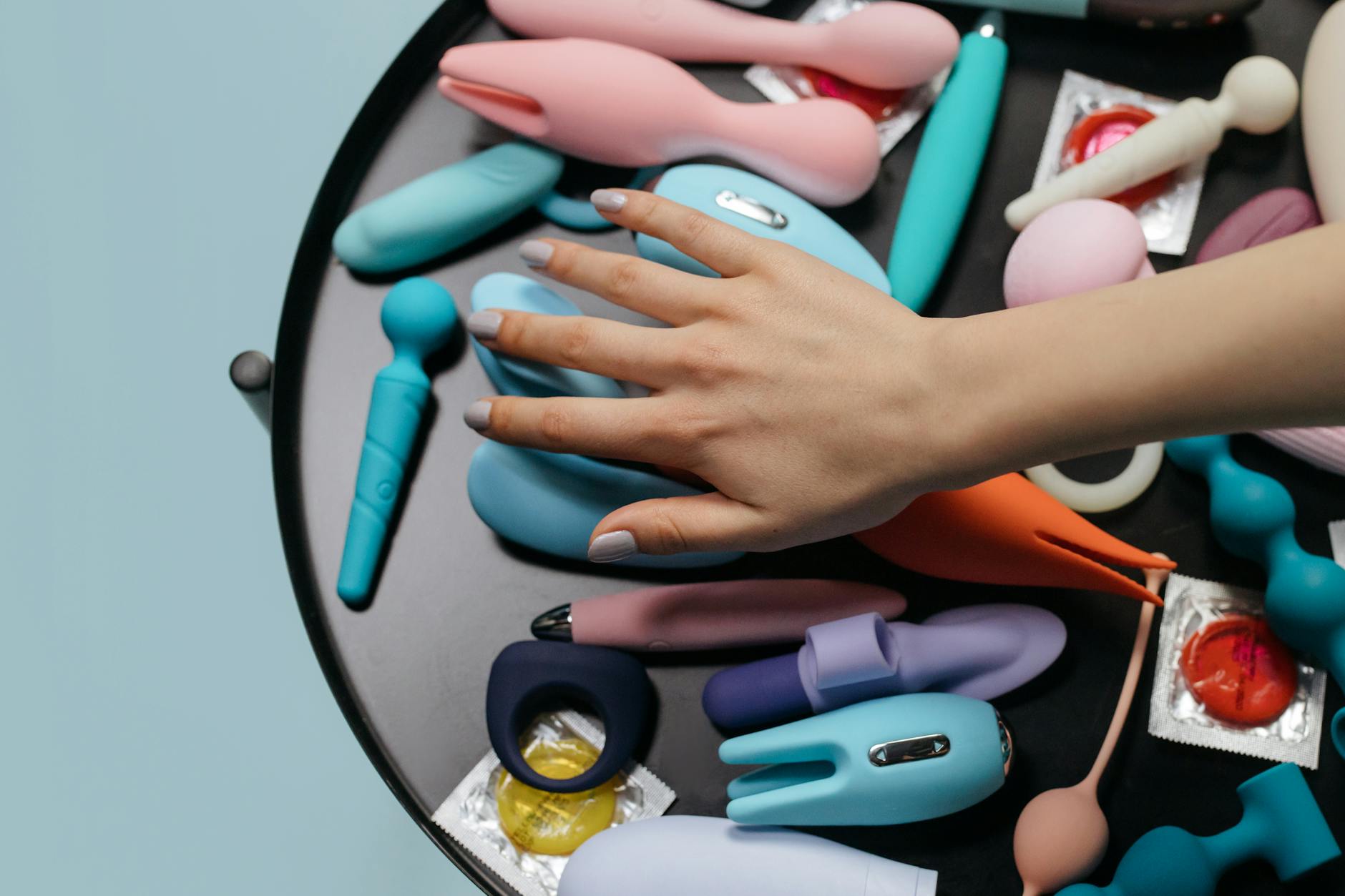
Photo by cottonbro studio on Pexels
Why a lemon sucker works better than other toys for this dynamic
A traditional vibrator mimics what a partner does. A lemon clitoral vibrator doesn't. It uses suction, which is a completely different sensation. This matters when you're trying to rebuild intimacy with a partner who feels inadequate.
When your partner watches you use a lemon vibrator, you're not showing them what they're failing to do. You're showing them something they literally cannot do with their body. That distinction is psychologically important. It removes the comparison trap.
Also, practically: suction toys like the Lem require less aggressive friction. That means if you've been avoiding sex because of pain or numbness, a lemon vibrator can help you rebuild sensation without discomfort. A partner watching their significant other return to pleasure without visible struggle is powerful. It softens resentment from both sides.
The framework that actually rebuilds connection
Here's what I recommend to couples who come in with desire mismatch:
Step one: Own your pleasure first. Use the lemon vibrator solo for a few weeks. Get comfortable. Notice what settings feel best, what rhythm works. This isn't selfish. This is data collection. You're learning your own body.
Step two: Invite, don't demand. "I'd like you in the room while I do this." Offer a specific time. Make it easy. Lower-desire partners often respond better to structure, not spontaneity.
Step three: Let them participate however feels natural. Maybe they hold your hand. Maybe they talk to you. Maybe they just lie next to you. There's no right way. The point is presence without pressure.
Step four: Ask what shifts for them. After a few sessions, check in. Not "Did you like it," but "What felt different for you in the room?" Listen. Their experience might surprise you.
Many couples find that this ritual becomes foreplay. Some find that watching creates desire in the lower-desire partner. Others find that removing the pressure of performance allows them to relax into sex together later. Every couple is different. But most couples report that the shame dissolves.
The conversation that needs to happen separately
Here's what I see break couples: they think the vibrator solves the underlying mismatch. It doesn't. The vibrator creates space for the real conversation.
At some point, you both need to talk about what different desire levels mean to you. Is the high-desire partner feeling rejected? Say it. Is the low-desire partner feeling pressured? Say that too. These conversations are uncomfortable. Do them anyway.
You might discover the real issue isn't mismatched libido. It's that the lower-desire partner feels unseen emotionally. Or the higher-desire partner needs more physical affection outside the bedroom. Or one person is grieving something. Or the relationship has lost playfulness.
A lemon vibrator is a tool for rebuilding intimacy. But it's not a substitute for honesty.

Photo by cottonbro studio on Pexels
When desire mismatch is really about something else
Sometimes low desire isn't about the partner. It's about depression, medication, hormones, health, or unprocessed trauma. In these cases, a lemon clitoral vibrator might help the lower-desire partner reconnect with their own body, which is genuinely healing. But the partner with higher desire needs to know: this is a journey, not a quick fix.
If your partner has depression, for instance, reconnecting with pleasure takes time. A vibrator can be part of that. But so does therapy, sometimes medication adjustment, and patience.
If it's hormonal, a lemon vibrator might feel amazing at certain points in the cycle and uncomfortable at others. That's normal. Track it. Notice patterns. Share what you learn.
When desire mismatch stems from something clinical, the couple's job is to stay curious together, not to fix it alone. A good sex therapist can help. So can your doctor. Use those resources.
When to know it's working (and when to get more help)
Signs that lemon vibrators are rebuilding intimacy in your relationship:
You're laughing about sex again. The room feels less tense. The lower-desire partner initiates sometimes. The higher-desire partner stops using sex as a scorecard for the relationship. You're having conversations that don't end in defensiveness. Physical touch outside the bedroom increases.
Signs you need additional support:
One partner is stonewalling (refusing to engage at all). Resentment isn't softening after a few months. You're arguing about the vibrator itself instead of the desire mismatch. One person feels coerced. The intimacy remains mechanical, not connected.
These are all reasons to see a couples therapist who specializes in sexuality. That's not failure. That's the right tool for the job.
Why this matters right now
Desire mismatch is one of the most common reasons couples drift apart. Not because it's insurmountable. Because it feels shameful and couples don't talk about it directly.
A lemon vibrator is permission. Permission to say "my body has needs," and "your pleasure matters," and "we can figure this out together" all at once. It's a bridge, not a destination. But sometimes couples need that bridge to find their way back.
People also ask
Will using a vibrator make my partner feel replaced?
It might, at first. That's why introduction matters. Frame it as something you want to explore together, not something you're doing because they're not enough. Most partners feel replaced because of how they interpret the gesture, not because of the vibrator itself. Talk about what it means before you use it.
Can couples use a lemon vibrator together during sex?
Absolutely. Many couples use lemon clitoral vibrators as part of partnered sex. Some people use it during intercourse. Others use it separately and then connect. There's no rule. Find what feels good to both of you.
What if my partner refuses to acknowledge the desire mismatch at all?
That's a bigger relational problem than a vibrator can fix. If one partner won't discuss the mismatch, it suggests they're avoiding something. Whether that's shame, fear, resentment, or something else, that avoidance needs to be addressed, ideally with a therapist. A lemon vibrator can't open communication that someone is determined to keep shut.
How often should we use it together?
There's no frequency recommendation. Some couples do this weekly. Some do it a few times a month. Some use it as a bridge until desire naturally re-aligns, then stop. Listen to your own rhythm. The point isn't frequency. It's connection.
Does using lemon vibrators fix desire mismatch permanently?
No tool fixes a relationship permanently. Relationships are living systems. They need ongoing attention, honesty, and willingness to adapt. A lemon vibrator can break a negative cycle and create space for reconnection. But keeping that reconnection alive requires both people showing up. The vibrator opens the door. You have to walk through it together.
Is it normal to feel awkward the first time?
Completely. Awkwardness is part of trying new things with someone. The weird feeling usually passes after a few sessions. If it doesn't, check in about what's making it awkward. Sometimes it's just newness. Sometimes it's pointing to a deeper discomfort that deserves conversation.
If desire mismatch has created distance in your relationship, you don't have to white-knuckle through it. Sometimes the simplest tools create the biggest shifts. If you'd like to talk through how to approach this conversation with your partner, reach out.